
Manifestation miracle

Showing posts with label work smart. Show all posts
Showing posts with label work smart. Show all posts


7 Destructive Needs Keeping You From True Happiness

We all have needs: We need food. We need shelter. We need to feel loved.
But many of us walk around with needs that don’t serve us — needs that negatively influence our thoughts, words, and actions. Unlike food and shelter, these are not true needs. These fake needs make life more difficult, and they distract us from the good things we already have.
They're like road bumps hindering us from experiencing the smooth ride we desire and, unless removed, they’ll completely jolt our respective journeys. It’s time to drop the following seven needs and see them for what they really are: illusions.
Perfectionism doesn’t protect us from the world — it keeps us from finding our place in it.
1. The need to prove your worthiness
A dog doesn’t question whether it deserves a walk, a nap, or some cuddle time. It just knows it’s worthy. Unfortunately, many of us have falsely learned that our sense of worth is connected to our success. So, to demonstrate our worthiness to ourselves and others, we might try to prove it with a career or a relationship.
But your worthiness doesn't come with terms and conditions. It isn’t determined by your monthly income, relationship status, or number of Facebook friends. Free yourself from unnecessary suffering by recognizing your own inherent self-worth. In those moments when you feel unworthy, separate yourself from that nagging voice inside your head and remember that it's not you talking. Calm it by saying, “Thanks for watching out for me, but you don’t need to worry. Everything’s all right.”
2. The need to fit in
We all have a desire to fit in and belong. We bend to conform because nobody likes to be the odd one out, right? But … we’re not all the same. We don’t have the same set of skills, talents, and interests, and that’s a good thing.
Dare to be the misfit, the rebel, or the weird one. Go ahead and wear those leopard pants, admits that you’re a spiritual fanatic, and post that lovey-dovey message on Facebook if you feel like it. Happiness is a natural side effect when one chooses to embrace his or her true self.
3. The need to put others first
There's a reason we're instructed to put those airplane oxygen masks on ourselves before helping those around us. We can’t give what we don’t have.
Tend to your own needs, wants, and desires, and then, when you’re filled up, pass that care on to others. Next time you’re urged to tend to someone else, practice giving yourself at least 60 seconds first. Breathe, read an inspirational quote, or do something else that lifts your spirit.
4. The need to be perfect
Perfectionism doesn’t protect us from the world — it keeps us from finding our place in it. No one is perfect. Instead of trying to be something you’re not, embrace every aspect of that imperfect you.
Silence your inner perfectionist by taking small risks you normally wouldn’t: Hand in something that’s 90 percent finished and ask for input, pose that question you think sounds stupid, or admit that you don’t have all the answers.
Don’t work hard — work smart.
5. The need to complain
We tend to whine and complain about the aspects of our life that aren't going as planned, but grumbling doesn't change anything — it just keeps us stuck.
Whether you’re unhappy with your finances, your relationship, or your self-esteem, you can either accept what is or take action to fix it. If you desire change, remember that it often starts with small steps. These steps may involve making a simple budget, planning a date night, or listing three things you love about yourself before going to bed. Just remember that no step is too small.
6. The need to work hard
My mind used to tell me that I was lazy and useless if I wasn't working hard. But ironically, once I stopped forcing myself into action, I started to perform much better. I was suddenly pulled by inspiration instead of pushed by pressure.
It's important to take breaks, ask for help, and give yourself time to recharge. Don’t work hard — work smart. Allow for a constant flow of inspiration to strike you by reading as much as you write, learning as much as you teach, and listening as much as you speak.
7. The need to be in control
Trying to maintain influence over things outside our control isn’t only exhausting — it’s impossible. While we might think we can shape other people, events and circumstances, we often can't. Trying to do so usually just leaves us feeling disappointed and frustrated.
Rather than working to make things happen, simply allow them to happen. Surrender to what is and focus your attention on the present moment. Hold your tongue when you feel the urge to control someone or something. Distract yourself, meditate, or take deep breaths until you’re grounded, and then take action from a calm and rational place.
7 Qualities of Uber-Productive People
They work hard, and they work smart. But highly productive people also tend to think about their work differently from everyone else.
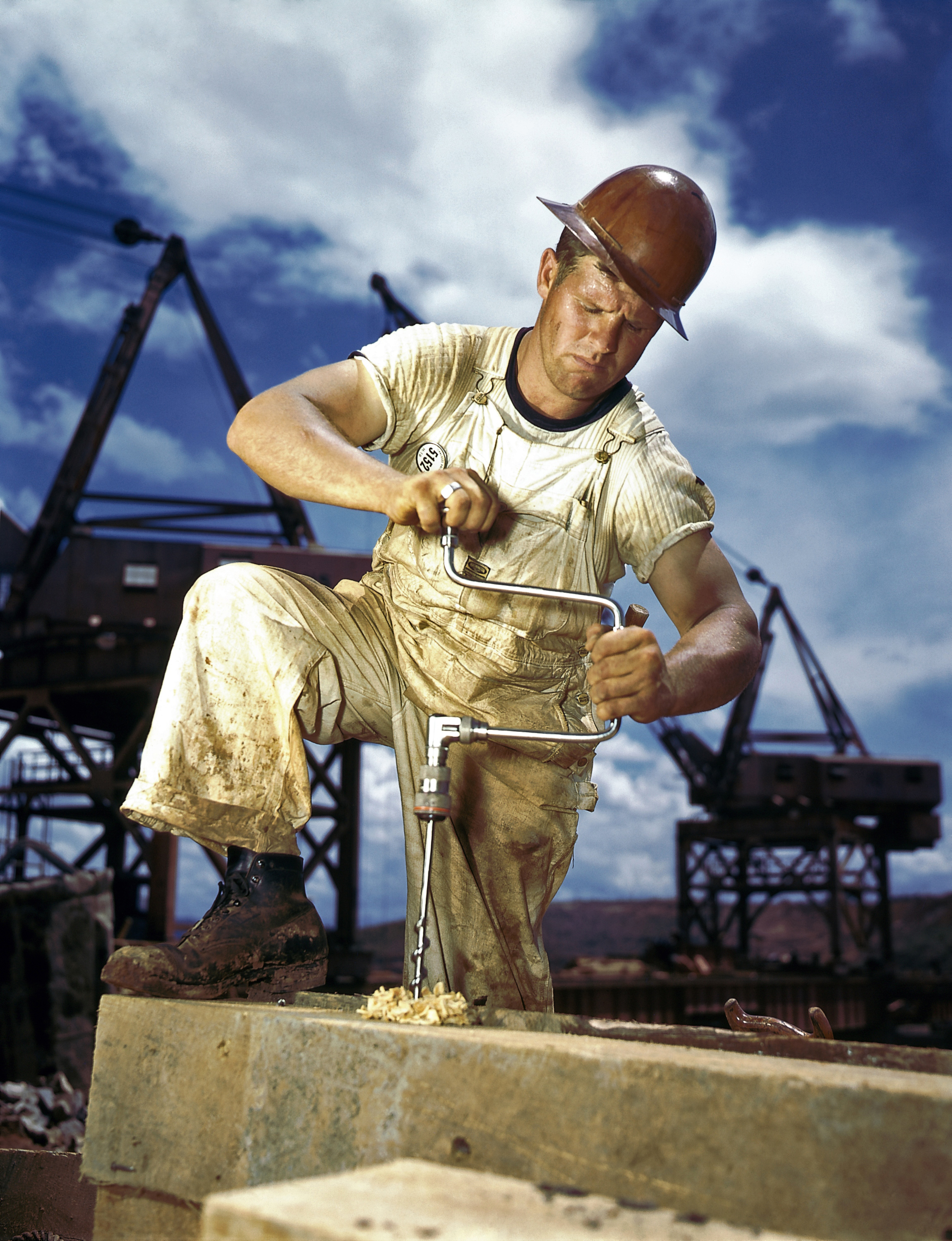
Some people get more done than others--a lot more.
Some people get more done than others--a lot more.
Sure, they work hard. And they work smart. But they possess other qualities that make a major impact on their performance.
They do the work in spite of disapproval or ridicule.
Work too hard, strive too hard, appear to be too ambitious, try to stand out from the crowd. It's a lot easier and much more comfortable to reel it in to ensure you fit in.
Pleasing the
(average- performing) crowd is something remarkably productive people don't worry about. (They may think about it, but then they keep pushing on.)
They hear the criticism, they take the potshots, they endure the laughter or derision or even hostility--and they keep on measuring themselves and their efforts by their own standards.
And, in the process, they achieve what they want to achieve.
They see fear the same way other people view lunch.
One of my clients is an outstanding--and outstandingly successful--comic. Audiences love him. He's crazy good.
Yet he still has panic attacks before he walks onstage. He knows he'll melt down, sweat through his shirt, feel sick to his stomach, and all the rest. It's just the way he is.
So, just before he goes onstage, he takes a quick shower, puts on fresh clothes, drinks a bottle of water, jumps up and down and does a little shadowboxing, and out he goes.
He's still scared. He knows he'll always be scared. He accepts it as part of the process. Pre-show fear is like lunch: It's going to happen.
Anyone hoping to achieve great things gets nervous. Anyone trying to achieve great things gets scared.
Productive people aren't braver than others; they just find the strength to keep moving forward. They realize fear is paralyzing while action creates confidence and self-assurance.
They can still do their best on their worst day.
Norman Mailer said, "Being a real writer means being able to do the work on a bad day."
Remarkably successful people don't make excuses. They forge ahead, because they know establishing great habits takes considerable time and effort. They know how easy it is to instantly create a bad habit by giving in--even just this one time.
They see creativity as the result of effort, not inspiration.
Most people wait for an idea. Most people think creativity happens. They expect a divine muse will someday show them a new way, a new approach, a new concept.
And they wait and wait and wait.
Occasionally, great ideas do just come to people. Mostly, though, creativity is the result of effort: toiling, striving, refining, testing, experimenting... The work itself results in inspiration.
Remarkably productive people don't wait for ideas. They don't wait for inspiration. They know that big ideas most often come from people who do, not people who dream.
They see help as essential, not weakness.
Pretend you travel to an unfamiliar country, you know only a few words of the language, and you're lost and a little scared.
Would you ask for help? Of course. No one knows everything. No one is great at everything.
Productive people soldier on and hope effort will overcome a lack of knowledge or skill. And it does, but only to a point.
Remarkably productive people also ask for help. They know asking for help is a sign of strength--and the key to achieving more.
They start...
At times, you will lack motivation and self-discipline. At times, you'll be easily distracted. At times, you'll fear failure or success.
Procrastination is a part of what makes people human; it's not possible to completely overcome any of those shortcomings.
Wanting to put off a difficult task is normal. Avoiding a challenge is normal.
But think about a time you put off a task, finally got started, and then, once into it, thought, "I don't know why I kept putting this off--it's going really well. And it didn't turn out to be nearly as hard as I imagined."
It never is.
Highly productive people try not to think about the pain they'll feel in the beginning; they focus on how good they will feel once they're engaged and involved.
And they get started. And then they don't stop.
...And they finish.
Unless there's a really, really good reason not to finish--which, of course, there almost never is.
Subscribe to:
Posts (Atom)
