
Manifestation miracle

Showing posts with label sleeping. Show all posts
Showing posts with label sleeping. Show all posts


Six Stress-Busters That Will Ease Your Stress At Work
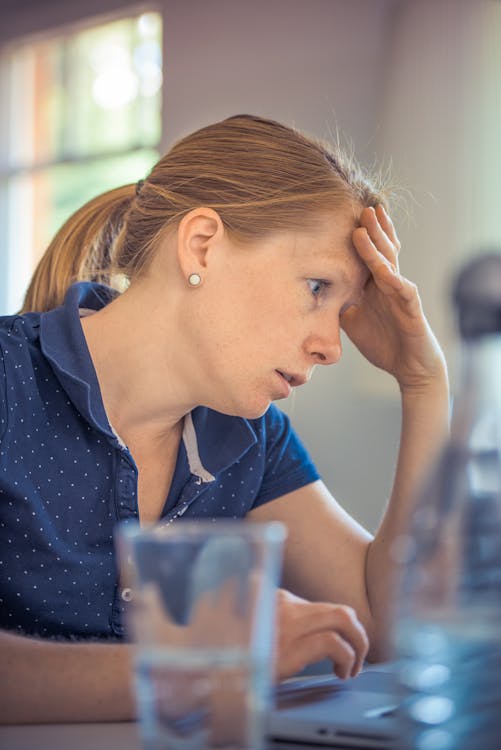
Does your heart beat faster at work and you have trouble sleeping at night? Those are just a couple of symptoms for work-induced stress. Other indications of being stressed at work include headaches, tense muscles, upset stomach, feeling fatigued all the time, and even experiencing chest pains.
Workers often take those symptoms for granted. But these danger signs can be more serious than you think. Deadly serious in fact.
What worries you the most about work and life?
Harvard and Stanford researchers last October found that workplace tension could take from six months to three years off your life. The study cut across many kinds of jobs and income levels. A couple of big worries held by all of the groups surveyed were the fear of losing a job and health insurance.
"If we're living in a constant state off fight or flight," says wellness coach Emily Soares Proctor in a printed report, "the stress response happens over and over again, chronically upsetting your entire system and creating the environment for exhaustion and disease."
While you might question one of the survey's "findings"-that workplace stress can take months or years off your life-both Proctor and the Harvard survey agree on one thing: you must take action by taking steps to reduce workplace stress.
It's normal to experience some stress at work. But too much of it lowers your productivity along with your physical and emotional well-being. As mentioned previously, you need to deal with it. "Managing stress is the key to reversing these outcomes," concludes the Harvard/Stanford survey.
Can workplace stress be managed and ameliorated?
Of course it can. But you need to take the responsibility by blowing off steam in healthy ways by using stress-busters (SBs) that work for you.
Before listing some of the SBs, let's take a look at self-induced stress from drinking, drugging, or smoking. Those symptoms are the easiest to cure. That's because all you need to do is stop doing what's causing the symptoms. If you're having trouble quitting something, join a self-help group like Alcoholics Anonymous or Narcotics Anonymous.
Six powerful stress-busters that allow you to blow off steam in healthy ways
SB #1: EXERCISE. It's a powerful stress reliever and makes you feel better. Find an exercise-like walking, swimming, cycling, or working out at a gym-that acts as a stress buster that works for you. You can even do some simple stretching exercises at your desk. It's well known that exercise helps you deal with stress.
SB #2. Listen to music-the kind that soothes you.
SB #3. TAKE A NAP or meditate. I've discovered twenty minutes of meditating during the day provides more energy and makes me feel more refreshed than napping.
SB #4. READ A BOOK that interests you. When I was a college freshman, I found a paperback novel lying around the dorm and found that reading a few pages between periods of study and at odd moments during the day relaxed my mind. I still read for relaxation.
SB#5. TALK TO SOMEONE you trust or see a mental health practitioner.
SB#6. BE WILLING TO QUIT YOUR JOB and start searching for another. Even if you don't quit, a willingness to do so will ease your tension. Why? Because you committed to doing something about it and believe that relief is in sight.
The reversal of stress symptoms
I've already mentioned that you-not your boss-are responsible for reversing your symptoms. Your employer doesn't give a hang about your job satisfaction or the trajectory of your career. Whether your workplace stress is created by conditions surrounding your work-like a crazy boss-or self induced by how you think, live, and manage your work environment, you are responsible for fixing it.
Don't give up this responsibility.
7 Signs You Have Too Many Toxins In Your Life

You think you’re healthy, but you don’t feel vibrant. You struggle to find the energy to get through the day. You’re irritable. Your stomach isn’t acting right. And all those headaches!
These types of ailments affect many of us in our daily lives. They’re not serious enough to warrant a trip to the doctor — or maybe you tried only to be told there was nothing wrong — but they still tend to drag you down, wearing away your resistance and leaving you feeling like you’re just getting old.
I have good news for you — it probably has nothing to do with aging. Instead, you may simply be surrounded by too many toxins.
Not sure? Here are seven signs to look for — and how you can clean up your system and feel better in 30 days!
Note: Always check with your doctor to eliminate any possible medical conditions as causes of these symptoms.
1. Consistent fatigue
Even if you’re sleeping well, you may fight to get through the day. This could be a sign that your body is working too hard to get rid of the toxins you’re pouring into it. How do you cope with fatigue? If you’re answer is “more coffee” or “sweet foods,” you can bet that you’re only making the problem worse. That fatigue could also be in response to hormone disruptors that are zapping your immune system.
2. Stubborn weight gain
It’s never easy to lose weight, but if you’re exercising daily and cutting back on calories and you’re still putting on the pounds, you could be looking at a hormonal problem. Strangely enough, our natural hormone function can be greatly affected by the toxins in our foods and personal care products. You need a complete detox of your diet and personal care routine to give your body a fighting chance.
3. Bad breath
You brush and brush, chew gum, rinse, and swallow breath mints, and still, you can’t get rid of it. Bad breath is often related to digestive problems, but it can also mean that your liver is struggling to get rid of the toxins in your body. Until you tackle the problem from the source, you’ll continue to scare away anyone who comes close!
4. Constipation
The intestines get rid of a lot of toxins every day of our lives. When we’re constipated, we’re storing up all those toxins, allowing them to negatively affect our bodies. In addition to stomach upset, constipation can cause headaches, aches and pains, and tiredness. It can also be related to the toxins in your life, especially if you’re consuming a lot of processed foods filled with chemicals, pesticides, and preservatives.
5. Sensitivity to scents
Strong reactions to smells — particularly fragrances — might mean that you’re simply sensitive to chemicals, which many of us are. It can also mean that your body is fighting toxic overload. Particularly if you suffer headaches or stomach upset simply from scents, this may be the case.
6. Muscle aches and pains
If you can’t tie these to your workout yesterday, could be that the toxins in your life are working away at your muscles and joints. This is more likely if you experience muscle aches on a regular basis.
7. Skin reactions
Acne, rashes, and other skin problems may signal a toxic overload. Acne, in particular, can be related to the toxins in our diet or skin care products. Puffy eyes and eczema or psoriasis outbreaks can also be signs that you’ve just reached your toxic limit.
My Solutions
- If you find yourself suffering from any of these seven symptoms, here are a few tips that may help:
- Support your liver with things like dandelion tea, parsley, cilantro, and milk thistle.
- Drink more water — it helps flush toxins out of your body.
- Exercise at least 30 minutes a day. Exercise gets the circulation moving, helping to move toxins along.
- Get a good daily supply of digestion-supportive probiotics, found in kefir, yogurt, sauerkraut, Kombucha tea, miso soup, tempeh, and kim chi.
- Always brush your tongue — even better, use a tongue scraper—when brushing your teeth.
- Practice deep breathing — we get rid of a lot of the toxins in our bodies through our lungs.
- Use only natural skin care products that are free of fragrances, sulfates, phthalates, parabens, and other potentially toxic ingredients, and always read labels. Use my Ingredients to Avoid list to find safer options.
- Choose clean, whole, and organic foods whenever possible!
Here's to living a healthy, toxin-free life!
5 Reasons You Shouldn't Fear the End of a Relationship
The pain of leaving will pass. The pain of staying will not.
For married couples, it's a good idea to keep working on your marriage when both you and your partner are invested and committed. Otherwise, if you find yourself stuck in the same old dispiriting patterns, you may wish to tackle your fear of change.
Here are 5 reasons why, in some cases, divorce may be the right decision:
1. It is not always better for the kids to stay married.
It is heart-wrenching for many who are chronically unhappy in a marriage to even consider the idea of divorce because of fear that it will forever harm their children. It is important to take children's feelings about divorce seriously, to empathize and help them to talk about how it impacts them (not you). However, the notion that staying in a bad marriage is somehow better for kids is dubious. What is more harmful and even traumatizing to children is spending a great deal of time in a home filled with negative emotion, tension, and chronic conflict. Children tend to absorb these feelings and even believe they are responsible for them in some way. If you are in a chronically unhappy union and eventually make a thoughtful decision to end it, you are modeling for your children that they do not have to be passive participants in their own unhappiness.
2. You'll improve your physical health and emotional wellbeing.
Healthy couples are able to resolve disagreements, where both people feel better about the issue at hand and sometimes the couple can even feel closer and more understood as a result of the disagreement. However, when negative relationship dynamics chronically play out between partners, resentment grows. Before you know it, not picking up milk on the way home becomes a knock-down, drag-out fight. When there is no resolution to chronic marital distress, both partners live in a fight-or-flight state. They may have difficulty sleeping or eating healthfully, or trouble with short-term memory; they may gain weight and fail to go to the doctor or nurture themselves emotionally. Their cup is so full between work, children, and the chronic negative emotion they experience, there is no room for self-care. The toll negative relationships take on physical health should not be underestimated. There is even some research to suggest that chronically negative or abusive relationships can shorten one's lifespan. Ending a toxic union is the first step in a chain of events that leads to taking better care of one's self.
3. You'll open the door to find a more fulfilling love.
Sometimes working through a difficult marriage and developing greater self-awareness around what your role may have been in the demise can open the door to a path that leads to a happier union. If after thoughtful work on yourself and your own weaknesses and consideration of your partner, you do not notice progress in your marriage, then the longer you stay, the longer you deny yourself the right to romantic happiness. Instead of fearing facing the world alone, fear spending a lifetime with someone with whom you are unhappy. Fear of being alone is not an adequate reason to stay in a marriage and actually increases the misery, as one feels trapped and powerless.
4. The grief will pass.
For some who know they need and want a divorce, the fear of unbearable pain keeps them stuck in an unhappy or even unhealthy union. As hard as ending a relationship can be, many find that they learn something from the heartache—they find they grow in some unexpected and meaningful way. For example, they become more connected with family and friends, they pull more meaning from the relationships they do have, they connect with feelings of gratitude, or they have an easier time not sweating the small stuff. The problem comes not for those who experience grief, which is a natural and necessary stage in processing a divorce, but for those who do not allow themselves to take time to grieve. Make sure you give yourself space to experience the loss and to process your feelings around ending such a significant relationship. Working through it for many is a way to self-rediscovery.
5. Giving up the fantasy that things will improve is ultimately liberating.
Many have lived for years with a hope and expectation that things will improve. Hope is important but without noticeable action, it is misguided. If you have been in a long-term relationship that has been filled with discontent for a long period, you have probably tried to tell yourself, "Things will get better." Although in the moment this thought can be relieving, in the long run it sets people up for defeat and disappointment when things don't get better. If you and your partner are not taking active steps to improve the marriage; not noticing small improvements; and not both equally committed to this work, then hoping things will get better could keep you stuck in a no-win-situation.
Subscribe to:
Posts (Atom)
