Showing posts with label self-control. Show all posts

What Are You So Angry About? 3 Steps to Identifying the Roots of Anger


Do you ever have trouble figuring out why you're angry or where it came from? You thought you were doing fine just minutes ago and then something provokes you and you maybe lash out, attack back, get snide or sarcastic, lecture somebody, insult them, grumble and gossip, plot revenge, or even fume or pout quietly. Anger has many looks and shades to it, doesn't it? How are you at even identifying when you are angry? I ask because it is quite difficult to sort out the causes and meanings of our anger if we aren't able to be aware of when we are experiencing it.

Step one: Identifying Anger

Maybe I have trouble identifying anger because I don't want to believe I am getting angry, or I really don't want to see how often I do. Maybe I believe that anger is bad or wrong? Some people do. Maybe I deny my anger because I am afraid of my anger or what I may do, or what people will think of me? Also common. Maybe I see it as embarrassing or losing self control? Maybe I had experienced being on the receiving end of anger and I told myself that I would never be angry like that? And so, what do I do? I either justify it or re-label it. Meaning I either focus on the external cause and blame my poor reaction on that, or I find a way to make it something else, something more acceptable. I may convert my anger into passive aggression, grudge holding and revenge, or with women in particular, maybe convert anger into tears. Another way we may convert our anger is to somaticize our emotions, which means converting them into physical symptoms, such as muscle tension, digestive problems, high blood pressure, or fatigue.

But re-labeling or converting my anger into something else and avoiding it only exacerbates the problem and doesn't help me to learn about the source of my anger and how to address it and manage my emotions in healthy ways. Step one means that I simply need to sift through my methods of avoidance and be willing to say - "I am angry". Becoming a less angry person sometimes actually involves a process in which you first get more angry. You're not really getting more angry, but it will seem that way as you become more aware of the anger you already have. The idea is to be able to do this without recriminations. I may feel guilty about how I reacted, and if I threw someone under the bus, and was unfair, then that would be appropriate. But, the reality of feeling anger and owning it is the goal here.

Step Two: Getting Underneath My Anger

Anger is considered a secondary emotion. What that means is that anger usually is representative of another emotion behind and underneath it. Now that I've identified that I am angry, I want to follow the trail back to the source, the root. I remind myself that my anger is telling me something about what is going on inside of me emotionally. My attitude is to play detective. Why? Why not just squash this unwanted emotion? Simply put, to the degree that I don't understand the roots or meanings of my anger is the degree to which I will be unhappy and disgruntled throughout my life. I realize that this can be hard work, but it really will be worth it to you.

How do I do this?

1. Ask yourself good questions about the meanings of your anger. What is it about what that person said or did? Seek descriptive words or metaphors to parse out your feelings.
2. Think back through your thoughts or perceptions concerning the event. How did I interpret the situation? Did I perceive an attack, or a slight? Did I feel rejected or misunderstood? Did I begin to go through worst case scenarios in my mind?
3. Try to recall times when you felt similarly to help you identify the meaning.
4. If you get stuck or come up blank, seek out a safe, trusted friend to help you talk it out and ask you probing questions.

Two common links to anger are hurt and disappointment. But since these are perceived as vulnerable or weak feelings, we are conditioned in our society to hide such feelings. One such way to hide them is to convert them into anger.

Step Three: Live Authentically

In Brene' Brown's Book, The Gifts of Imperfection, she refers to courage, and she explains that the word originally meant to "speak one's mind by telling all one's heart." 1 The author goes on to describe elements that are so important to becoming more authentic and emotionally healthy, and this notion of courageously being vulnerable leads the way. See, now that I have delved in and found out that there is something underneath my anger, something that's often more vulnerable - something like disappointment or loss or hurt - now I don't like that much. Now, I'm rather mad at that guy who wrote that article about anger! Although now I get why I gravitate to anger! Anger feels safer and less painful than feeling my vulnerability. But, the cat is now officially out of the bag. You can either move forward and address the underneath stuff, or you could go back and keep utilizing anger to cover up those things. One way leads to reduced anger and irritability and resentment and a better you. You already know which one is which.

Funny thing, but just acknowledging your underneath stuff actually helps. Just by being honest with yourself about your hurts is the beginning to healing them. Honesty matters. It means I am valuing my heart. Next comes daring to value and honor my heart with others. Yeah, it is risky. But learning that not everyone will respect your vulnerably also I think means finding out that some people will. And living authentically with those who respect you - that brings healing to our hurts and losses.

The Wrap Up
None of the steps are easy. If they were, we wouldn't be such an angry, disgruntled culture. That culture does present a challenge that you'll need to swim upstream against. There are plenty of folks who don't like someone being vulnerable. And I'll tell you the real reason why. It's not because vulnerable people are weak and so looked down upon and deserve to be trampled by the strong. Oh no. Sadly, reality is the opposite. It is true strength to be vulnerable and those without it fear it because it exposes them and shows what real strength and courage is. So it is mocked and referred to as weakness. You know, it's kind of like a dictator fearing that the people will figure out that if they rise up they would have more power than him. Personal maturity, emotion health, spiritual maturity are not lifted up by the world in general. God tells us not to be surprised by this in the Biblical book of I Peter. Jesus himself was not respected by the masses. But those who chose to get to know you will appreciate it. And you will be freer and more patient and more at peace. And you in the end just may discover that becoming less angry may make you less popular (only to some, mind you), and still happier and more content.

1. Brown, Brene', The Gifts of Imperfection (Center City, MN. Hazelden, 2010), 12.

Reprint Permission- If this article helped you, you are invited to share it with your own list at work or church, forward it to friends and family or post it on your own site or blog. Just leave it intact and do not alter it in any way. Any links must remain in the article.


https://ezinearticles.com/?What-Are-You-So-Angry-About?-3-Steps-to-Identifying-the-Roots-of-Anger&id=7989457

Self Control Tips - Anger Management

Man Showing Distress

Anger management is an important and difficult part of self control.

Everyone has been angry. It is pretty much impossible to go through life without getting mad at something at some point, making anger management a mandatory skill for anyone who wants to interact with people.

Sure, some people have less anger than others, but everyone will need to learn to control or manage it at some point. These steps should help you work through your angry in a healthy manner.

The first step in anger management is to figure out what caused it.

Some people have anger as their first reaction to anything because that is how they were raised. Other people end up hurling things around when they're angry simply because that's what they saw when they were young.

Still others end up being incredibly angry because of a recent event that has weakened their self-control.

Some people end up mismanaging their anger simply because they're not looking at the real issue.

Finding out what is really behind your anger and how you express it can help you focus on the issue at hand, rather than lashing out.

Once you've identified what makes you angry, put it on a list. While it isn't so much the anger that causes trouble as the way it is expressed, not getting mad altogether can keep you getting in trouble in the first place.

Think about your daily routine and when you get mad the most. You can either adjust your routine, or if it is part of a job, better prepare yourself for the oncoming storm of stress.

You should also identify the symptoms of rising anger, such as clenched fists, pacing, or even seeing red, as it can help you identify new triggers and prepare accordingly.

The next step is learning how to cool down when you're all riled up. You know when you get angry.

You know the signs when you're getting angry. It's time to learn how to get down when you're getting mad.

There are a number of things you can do.

• Exercise: Anger involves the fight or flight response. You can use exercise to work through all the excess energy that you suddenly have.

• Counting until you calm down: You don't have to count anything in particular, you just need to occupy your mind with something monotonous that doesn't anger you until you regain your self-control and composure.

• Deep Breathing: Slow, deep breaths can slow down your heart rate and calm you down.

Some people have unorthodox methods of calming themselves down, so if you find something that works for you, don't hesitate to use it.

The last step is finding a healthy way to express your anger.

Anger is energy, and if you can find a way to channel that anger into inspiration and change, then not only have you managed your anger, but you've turned a negative into a positive. Some people paint. Other people write.

Find what works for you.

At the end of the day, anger management is about putting yourself in a position to deal with your anger and to make smart decisions in the heat of the moment.

Determine the cause of your anger, calm yourself down, and then make a decision. You don't want to regret something for the rest of your life simply because you couldn't calm down.


https://ezinearticles.com/?Self-Control-Tips---Anger-Management&id=7903868

How To Develop And Use Affirmations.


What are Affirmations?

Affirmations are words and phrases stated in the present that allow you to condition and empower yourself for success in whatever your goals may be. Most often, people think that affirmations are used to focus on positive thinking. But affirmations can be used for a variety of benefits including enhancing relaxation, stimulating creativity, and strengthening self-control among numerous other values.

Your subconscious mind acts much like a computer - whatever you tell it to do, it does. So, if you say you want to do something, your consciousness is filled with the desire to make it happen on a multitude of levels. But if you say you are doing something, your consciousness begins doing it now. The more you practice affirming, the more it becomes second-nature.

By affirming daily, you allow yourself to be more comfortable, more beautiful, more joyous, and more in control of your life.

Basic Affirming - Guidelines

Remember, your words have power. Choose them carefully to create what you truly want.

Step 1. Achieve a Meditative State by taking deep breaths and allowing yourself to relax.

Step 2. Make a list to identify what it is that you want to create or change. Let's use the example of "I don't want to feel resentful."

Step 3. Empower. Take each statement on your List and empower it by making it a statement of positive action now. So, "I don't want to feel resentful" becomes "I am free of resentment."

Step 4. Repeat your affirmations regularly.

1) Songs. You can sing your affirmations by putting them to music. You can make up your own tunes or use the melodies of popular songs.

2) Post-it Notes. Write your affirmations on post-it notes and place them on mirrors, the refrigerator, in your date book, in strategic places where you will see them often.

3) Use specific daily activities as opportunities to repeat affirmations, e.g., bathroom breaks, meal preparation, time you spend in the mirror (very powerful), while exercising, bathing, etc.

4) I find that affirming during mundane activities is particularly powerful, e.g., turning the key in the lock on your door. You can also attach specific affirmations to specific activities. This practice soon becomes second-nature. a) Whenever you feel that you are in the process of doubting yourself, be sure to affirm and get back on track.

Examples And Types Of Affirmations

1) The Gripper. This is a situation where you feel your entire body tighten and your breath constrict. The Gripper can be the cause and/or result of anxiety, stress, and dread among other states of consciousness.

· Think of specific situations in your life where "the grip" gets you and form an Empowering Affirmation to assist you to choose to respond rather than to react. Example: My body is relaxed and breathe freely and fully as I perform this activity.

2) The Time Piddler. This is really a tactic that we quite often use to avoid doing something we don't want to do. Time Piddling always leads to last-minute stresses that cause less-than-desirable results - which inevitably lead t more Time Piddling the next time you have to deal with the situation.

· Take a look at the reasons you want to avoid handling the situation and deconstruct them so that you can manage the activity and your time. Example: I can handle this situation effectively, efficiently, and successfully with ease.

3) The Rusher. In a hurry much? WHY? Rushing is another indication that we may be avoiding certain responsibilities and situations. People often confuse being busy for being effective in their lives, which often leads to illness and injury - and to another form of Time Piddling. The reality is that there is only NOW. Rushing is, in a sense, focusing on the future because you're not fully present in the moment. When you rush, you miss the nuances of the full experience of your activities.

· Consider WHY you feel the need to rush to do so many things. Give yourself the opportunity to see what you could be doing to enjoy life more but are missing out on because you've decided on all the things you should be doing. Notice my choice of words to focus on the present moment of being. Example: I allow myself time for my wellness and I have plenty of time.

· Note: "Wellness" includes fun!

Now, have some fun creating affirmations!


http://ezinearticles.com/?How-To-Develop-And-Use-Affirmations&id=8843132

Difficulty Vanish When Faced Fearlessly (By Rosemarie Sumalinog Gonzales)


Is there any point in your life that you experienced extreme difficulty? The time when you felt desperate and hopeless and had no idea how to keep moving forward? As a matter of fact, we all go through struggles at one point in our lives. But the crucial part is how we respond to it. We can build the tenacity to face any challenges that we meet.

When we faced trials in life bravely, it builds our character. Oftentimes, the moments in life we are most proud of are the ones where we overcame adversity to accomplish something worthwhile. We need to do something that pushes our limits and beyond. We will realize that we are capable of accomplishing much than we ever imagined.

Every time we find ourselves stuck or facing a life challenge, we simply write down our thoughts in a journal. This allows us to get out of our head and separate ourselves from the impact of the experience. It brings the conscious brain into play while reducing the effects of the unconscious, emotional brain.

Think of a time when we felt more confident than we have ever felt before. Go back in time to all those memories that have robbed us of our confidence and create new meanings to them. We can literally go back in time and change our memories by repeatedly picturing the event while anchored into a positive state, so the meaning of the memory will become a positive one.

The next time we find ourselves facing a challenge, ask what someone we admire would do in our situation. One of the quickest ways to get what we want in life is to find someone who has it and do what they have done. Practice standing tall and embodying a posture of unbreakable confidence everywhere we go.

Focus always on the positive. Never let negative thoughts, feelings or emotions overpower us. We need to have self-discipline. The key to mastering self-control and willpower in the face of a challenge is learning how to build positive habits because most often we are afraid of the unknown and we get stressed on the process.

When times get rough, we need to be resilient in order to cope up. We need to prevent our negative feelings to surface by focusing on the positive things when faced with adversity. By doing this, we are able to face challenges fearlessly and take control of the situation no matter how demanding the trials in life are.

I want to dedicate this article to Arlyn Lanticse, my colleague and friend who suffered the same predicament I had.


http://ezinearticles.com/?Difficulty-Vanish-When-Faced-Fearlessly&id=9553195

Why Nailing Your Morning Will Nail Your Day (By Keye Wu)

Woman Doing Yoga on Round Purple Yoga Mat

Sometimes it's good to be an alumnus, especially when your brothers and sisters in your alma mater had done something proud and contributive to the world.

When I was researching about why we tend to have better self-control at the beginning of the day while we seem to lose willpower at night, I found an interested research from my lovely school - The University of Nottingham in the United Kingdom.

You may have heard about the claim that successful people start their days with a morning routine. But do you know the science behind why morning rituals can help us so massively when it comes to goal achievements?

Well, the reason why we have better self-control in the morning and why we should invest our mornings very carefully is because of something called ego depletion.

Basically, a study conducted by University of Nottingham found that self-control is a finite resource that determines how well we can consciously control our responses towards stimuli. But every time we exercise this self-control muscle, we will decrease our self-control capacity and this phenomenon is called ego depletion.

Ego depletion has a huge effect on our self-control, so as time passes throughout the day, we will find ourselves more difficult to control our behaviors, less confident in tackling challenging issues and less motivated to accomplish our tasks.

So based on this research finding, your morning is your best timing in the entire day to dominate your highest priority important tasks because your efficiency and mental resources are just going to decrease as time ticks.

The next question is, what should you incorporate into your morning ritual to jumpstart your day?

Here's my top 3 things I do to make sure I have a head start:

#1 Take a Cold Shower

This not only "shocks" my body and wakes me up. It also boosts my testosterone level so that I have a better drive, motivation and dominance needed to crush through my challenges.

An even better way is to alternate between cold and hot water when you shower, this helps your blood circulation a lot and brings immense health benefits.

#2 Drink 500ml of Lemon Water

After your sleep, you are dehydrated and it's essential for you to replenish your body system with fluids. Lemon water is excellent because its alkaline nature helps you neutralize the acidity in your blood.

If your blood is too acidic, your red blood cells will become sticky and have a lower oxygen-carrying capacity. That's when you feel tired, sluggish and demotivated.

#3 Exercise, Stretching or Breathing Exercises

You want to move your body in any shape or form. University of Bristol, in which I was also offered a chance to study, found that workers performed significantly better on exercise days because exercise helped re-energize and improve concentration, which made us calmer to solve problems.

If I don't go out and have a run, I normally at least do some deep breathing energy exercises at home with some meditation. The way you oxygenate yourself has a significant impact on how you feel at any given moment.

So is that all I do in the morning? No.

Are there more goodies I put in place? Yes.

Will giving you more overwhelm you and paralyze your action taking? Maybe.

Therefore, let's focus on implementing these 3 things in your morning first.

Do them.

Make them your new habits.

And go nail your mornings.

http://ezinearticles.com/?Why-Nailing-Your-Morning-Will-Nail-Your-Day&id=9499474

The Law of Attraction Can Change Several Aspects of Your Life

People have more control over their lives than they think. That's the basis of the Law of Attraction. You may not think of it at first glance, but when you start to peel away what the benefits are, you'll begin to realize that it's true. The reason why this works out, is because you cast down all negativity and change it for positivity. Most people don't work through these details often, which is why they don't get the things that they want. If you are struggling with life and want to make things improve a bit, perhaps you'll want to look at the following changes that this law can place within your life.

Change Your Dreams

There are a lot of people that do not dream. They don't dream and that's it. If you are one of those people, then you will want to look into changing things up through the power of positivity. When you change the way that you think, you are going to focus on creating dreams that last and are very powerful. When you go to sleep, you will feel more powerful, as lucidity will come to your nightly slumber.

Grow More Confident

Confidence is amazing. When you have it in place, you are going to find that you feel better about what you're doing and where you're going. Trusting your instincts is tough. But when you factor in the beauty that comes with charging forward with attraction, you will start to trust yourself and your decisions. This will instill in you a confidence that is nothing short of contagious.

Seeing Things In New Light

When you are bogged down by negativity, you're going to find that you will see things in a static fashion. That means that change will be difficult, and you may focus on negativity rather than positive things. Too often, people end up in this set pattern. When you change your perspective, you will start to see new things. This includes new perspectives that you would normally not see.

Long Lasting Joy

Perhaps the most wonderful thing about this option is that you will be able to have greater joy. Happiness manifests because you will want to focus on casting aside all negative thoughts, and individuals that focus on negativity. When you are chasing positive thoughts and ideas, you will see that your world will change for the better. Long lasting joy manifests as a result of continually shaking negative feelings and interactions away from your daily life.

The big thing about this type of path is that you are going to find control. Self-control in your life is something that isn't easy to configure. Millions lose focus of this. If you haven't felt like yourself lately, and you want to test out something new, simply look into how attraction can be pulled through in new ways. Just test out the world of positivity for a few weeks, and see how amazing you will feel. You'll be all smiles, and you'll find that work is better, relationships will improve, and your finances will also rise up as well.

http://ezinearticles.com/?The-Law-of-Attraction-Can-Change-Several-Aspects-of-Your-Life&id=9404894

5 Most Common Distractions Many People Are Challenged With Every Single Day


We live in a world where almost everyone is in a rush - whether it's getting to a meeting venue on time, submitting work notes on schedule, beating traffic so as not be late to work or school - these are just some of the common scenarios that mirror how hectic our schedule have become. With so many things to do in 24 - hours, we seldom get the chance of getting everything done. When did things get so complicated???

Sometimes you have to sit back and ask yourself honestly: When was the last time you felt good because you were able to clear out your to do list? Can't remember? That's not surprising at all.

Now, if we've been spending hours rushing to get from one meeting to another or working from one project to the next, why is it that we never ever get to finish something up? This is because there are so many distractions in our world now and we are constantly multi tasking. Ultra productive people know that in order to accomplish a massive amount and, importantly, to feel great about their accomplishment & balanced, you have to be single minded in your approach. Eliminate distractions so we can focus on completing the things which really matter.

Here are what I know to be some of the most common distractions many people are challenged with every single day.

#1 Unnecessary Meetings

You know there is a problem in our working culture when there are books out now called 'Death By Meeting'. This is a book by Patrick Lencioni and it is awesome. Have you ever wondered how much time you have wasted being in meetings where your attendance seemed pointless or a waste of time? Where it just seems to be a meeting for the sake of a meeting which goes on for ages made up of mostly dribble and then at the end no real actionable items coming out of it?

Shoot me now. Here are some tips to make meetings effective:

Make sure there is a point and a clear desired outcome that must be reached before you go into the meeting

Try having stand up meetings

Set a time limit, where as soon as that time is up, everyone gets up and leaves - there is nothing like a bit of pressure to get a result

Ask: do I really need to be involved in this meeting?

Ask for the agenda prior to the meeting and that the pre-read materials be sent to you

#2 Email

We are in a culture now where people expect instant responses. Someone sends an email and if you don't respond within 10 minutes they are wondering if you are OK? This is a productivity killer. How many times a day do you check your email, honestly? 10 times a day, 20? Is it open all the time, just desperately waiting for that next earth shattering email to arrive? Seriously, most emails are a waste of time and don't get me started on the need for people to cc the entire world in on emails.

Top tips:

Set specific times each day where it is only then that you check email. For me it is 11am in the morning and 3pm in the afternoon and I check it for about 30 minutes at a time.

Condition others not to expect instantaneous responses from you (unless this is your job of course). If you don't condition others, they will expect you to live by their conditions

Set up rules and filters

Get someone else to check them for you. I have a virtual assistant who manages my email for me and sorts them into one of four boxes: Action, review, Archive, delete. I have given her a clear set of rules to follow and it clears the clutter. (Stay tuned for a later blog on how to do this effectively)

Finally, turn off that bloody pop up you've got mail or the 'ding' or the little envelope. As soon as it is there, you know you can't help but check it. Curiosity will get the better of you

#3 Social Media Sites

Can't resist looking at your phone or logging in to your pc to check your Facebook, Twitter, or YouTube? Social media is fun but it can be a huge time-waster especially when you begin to lose track of how much time you spend updating people with your status posts, reading your timeline or tweeting people back.

You can help minimize the time you spend with social media by designating a set amount of time each day for online social sites.

In 15-20 minutes, you can update your status or send a few tweets and once the time is over, log-out so you don't get distracted by social media notifications and start working.

It will take a lot of self-control to accomplish this, you know it will, but you will thank yourself for practicing restraint especially after you plough through one project to another.

#4 Office Chit-Chat and Random Distractions

Ever noticed how a 5 minute small-talk with a co-worker can stretch into 30 minutes, even a full hour? There is nothing wrong with socializing but when it begins to eat up your time and affect your productivity, then you have to do something about it. Minimize office chit-chat by communicating to colleagues your need for focus time. Hang a sign/symbol on your doorknob or outside your cubicle to discourage people from chatting with you and to send a signal that this isn't a good time to interrupt your work and learn this phrase:

"Bill, I would love to talk to you, but I have an urgent deadline right now, can we chat later?"

People will tend to leave you alone when you say you have something urgent to complete with a deadline. We are conditioned to respond to urgency in this day and age.

#5 Multi Tasking

I should really have this at the top. How big is your to-do list? Massive I bet, if you are like most people. Now I actually don't like to do-lists, they are ineffective and can be very overwhelming, there are much better systems based on outcomes, values and priorities, but this is for another time. Still, even this is better than nothing for most people who just let all of the things they have to get done rattle around endlessly in their heads and live in this constant state of reaction and drama.

I am only going to give you one tip here. There are many more I can add but I reckon that this is so vital that if you did it, it could completely change your life. It is one question:

"What is the one thing I could do right now, that if I did it and made major progress would do more to advance me in my life and career than anything else? "

Now, do that one thing.

Then, you guessed it, ask the same question again, and do that one thing.

Then ask again 
You get the point right????

If you let them, these distractions will suck away a major portion of your life and can hold you back from reaching your potential in work and in life.

Here are the 3 real themes to practice in your life:

Focus on simplicity and taking strategic action on one thing at a time.

Set up your environment around you and systems to eliminate distractions and ensure you stay on track.

Remember, that you are not playing life like most people are, you are extraordinary and are not going to follow like a sheep what everyone else does. So condition the people around you to your way of working. If you don't, they will expect you to conform to their way and society's norms which are totally ineffective.

One of the greatest things I learned when I first started out on my growth journey at a young age was to become ultra productive and it is a skill set and habit which has taken me a long, long way and allowed me to outperform the majority of others around me. Any successful person loves time management. Do yourself a favour and become a time master.

Want to Get Out of Debt and Build Wealth? Cultivate These 5 Habits

If you want to get rich, the first thing to do is get out of debt--so your personal math works for you, not against you.


If you weren't born into wealth, and yet you want to know how to get rich, there's only one answer: Learn to become an entrepreneur.
Step number 1 on that journey is to make the commitment become a producer, not a consumer. Because while a producer spends his or her time doing things that accumulate wealth, a consumer transfers his or her wealth to somebody else. 
I'm inspired in this column by a post written by Tracie Fobes, who runs the website Penny Pinchin' Mom (which she started after she and her husband worked their way out of $35,000 in debt). Becoming debt-free is an important starting point on the journey to a producer's mindset.
So where do you begin? By cultivating the right daily habits practiced by debt-free people--which happen to overlap with the producer's mindset. 
Restraint is comprised of patience, dispassion, and self-control. It's the ability to resist temptations--most notably, impulse buys. On her site, Fobes uses the example of a person who drives an old clunker or even takes the bus for a few years, so as to be able to afford to pay for a new car in cash.
Of course, a person who truly practices restraint might take things a bit further, deciding never to splurge at all on something like a vehicle that will depreciate, and instead investing in assets that will ultimately produce returns.

2. The habit of experientialism.

Experientialism is defined as "the philosophical theory that experience is the source of knowledge." It's used here as a juxtaposition with its opposite--materialism. If you've heard people talk about how they'd rather have experiences than things, well, that's part of it.
People who are able to adopt a producer's mindset can certainly appreciate quality and even extravagance. However, they're able to maintain their distance, and they understand that very few material things are lasting and spiritually nourishing.

3. The habit of frugality.

Does frugality just mean being cheap? Not exactly. True, producers live beneath their means. (Almost by definition, if you're debt-free, you're living below your means). However, this also incorporates a willingness--even an eagerness--to find deals and negotiate.
On her site, Fobes talks for example about how she managed to get a discount on a new television by offering to pay in cash rather than use a credit card. It works the other way, too--producers value the things they create by what other people are willing to pay, rather than the (often smaller) amount that it cost them to produce.

4. The habit of strategic thinking.

At its simplest point, this habit is just about thinking before acting--and having a plan. Again, it involves forging impulse purchases, and spending money primarily where it creates a real and lasting benefit.
"Those who have no debt can see further ahead and plan accordingly. They plan for the big purchase. They are ready for the unforeseen emergency," Fobes writes. "They set goals."

5. The habit of mathematical thinking.

Finally, and probably most important, there's the habit of thinking about math. I don't know how it is that so many of us manage to miss this simple point, but our financial system is based on numbers.
So, true producers pay attention to the math. They educate themselves about basic concepts--starting perhaps with the time value of money and the power of compound interest. And in a world where those who want us to act like consumers often try to hide the calculations behind any deal, they work hard always to find it.

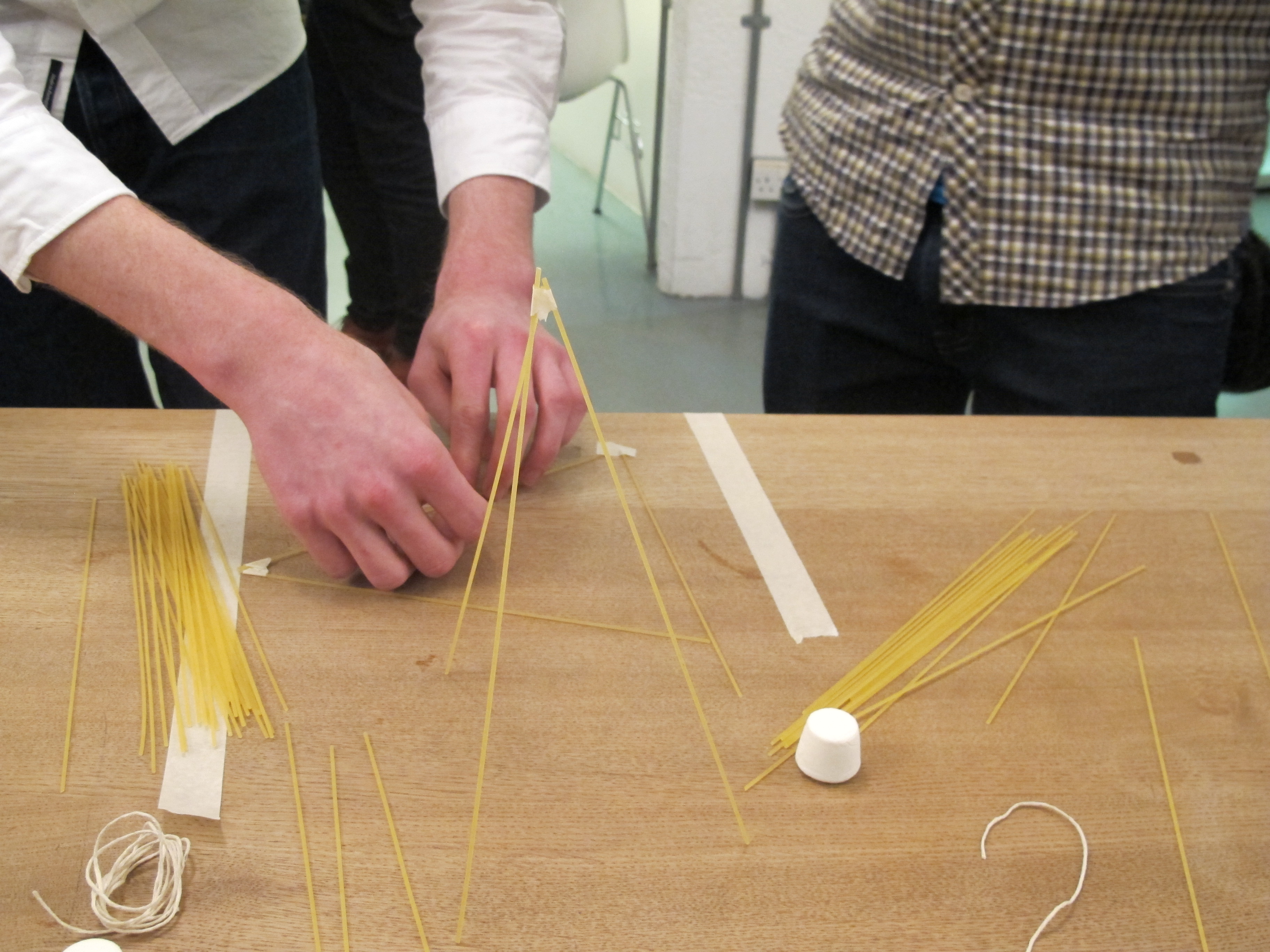
Amazing How A Marshmallow And Willpower Can Predict Your Life Success

There are many factors that contribute to the success or failure of a person in life. Some people seem to have it all... health, wealth, and overall success. While others seem to be caught in a web of poverty, failure, and despair. Are there factors in early childhood that can accurately predict the future life status of individuals?

Yes, absolutely! Some factors may include: genes, their environment, their social status, or IQ. But, according to some longitudinal studies, none of the above factors are as powerful in predicting success in life as willpower, self-discipline, and delayed gratification.

First of all, let's define willpower. It consists of three components- 1) the ability to voluntarily disengage our focus from a powerful object of desire, 2) the ability to resist distraction and maintain our focus, and 3) the ability to maintain our focus on a goal in the future. These three skills add up to "willpower."

But, how can a marshmallow predict your future? In the 1970's, Walter Mischel, a psychologist at Stanford University, conducted a study called the "marshmallow test." Mischel invited four-year-olds one by one into a "game room" at the Bing Nursery School located at the university. They were shown a tray with marshmallows and invited to pick one that they would like. Then, they were given the following instructions. "You can have your treat now, if you want. But, if you don't eat it until I come back from running an errand, you can then have two." The examiner then left for a full fifteen minutes.

You can imagine how difficult these instructions were to follow for a four-year-old! Will power and self-discipline are major feats for children of this age. As it turned out, about one-third grabbed the marshmallow immediately when the examiner left. One-third waited the full fifteen minutes and were then rewarded with two marshmallows. The last third fell somewhere in the middle.

The most significant outcome was that the children who were able to resist the temptation of the sweet treat achieved greater success later in their lives. They did better in school. They had better social relationships, and tended to be more successful adults.

This was further supported by the Dunedin study of New Zealand. 1,037 children were assessed after twenty years for their health, wealth, and involvement in crime. The conclusion was that the better their self-control in childhood, the better the Dunedin kids were doing in their thirties. They tended to have sounder health, were more successful financially, and were less likely to be involved in crime. The worse their childhood impulse management, the lower their financial status, the poorer their health, and the more likely to have a criminal record.

The shocking conclusion was that, a child's level of self-control is as powerful a predictor of financial success, health, and criminal involvement as are social class, wealth of family of origin, or IQ. Willpower is a powerful determinant of adult success. High self-control and the ability to delay gratification predicts not just good grades, but also good emotional adjustment, and better interpersonal skills.

So, how does a person, especially an adult, develop willpower, self-control, and the ability to delay gratification? Willpower comes from the ability to control the thought processes that come from what is called the "executive function" part of the brain. These are the thoughts that without realizing it, are yelling at us inside our heads... "Eat the marshmallow! Eat it NOW!" For some adults, it may sound like... "Eat the cookies! Eat them now! Eat them ALL!" For others, it may sound like... "Bet the money now! Bet ALL of it!" Regardless of what your brain is telling you, you can manage these self-defeating thoughts as follows:

Disengage your focus from the object of desire by distracting yourself, or by reframing the object. For example you might say, "Those aren't really cookies, they're round coasters." Turn them into an inedible object. Change the desired object into something that is not desirable. Visualize it in your head.

Maintain your focus on what you DO want. If you want to lose weight, maintain your thoughts on losing weight. Don't let your brain go on automatic or else you will likely grab for those sugary, fattening snacks.

Maintain your focus on your long-term goal. If your goal is to lose weight, maintain your focus and your thoughts on the benefits you will gain when you do lose the weight. For example, you will be healthier. You will be able to move better. Your clothes will fit better, and you will like yourself more. This is not easy to do as you have to retrain your brain and what it is telling you.

You want to use "self-talk." It may sound like this... "I am a person who only weighs ____. I wear a size _____. I am able to walk, and dance, and run. I love the way I look, and I love the way I feel." Write this on a 3 by 5 card and review it at least daily. *You may also want to give your brain a boost by using visualization. Place pictures of yourself around the refrigerator of you when you were your optimal weight, or achieving your ultimate goal.
These skills of course are not mastered overnight! They require long-term focus in order for your brain to be retrained. It's not easy, but it's well worth it. Master your "willpower" and master your destiny! Don't eat the marshmallow until it's time and guarantee your success in health, wealth, and life!

Here are the top 5 apps that will help you boost your brain for better visualization results and they include one i use myself. 
Click Here to Download Your FREE Guide


http://ezinearticles.com/?Amazing-How-A-Marshmallow-And-Willpower-Can-Predict-Your-Life-Success&id=9262888

Here’s Why Dwelling On Your Past Makes You Repeat The Same Mistakes


Fear, anger, uncertainty, discomfort, shame, guilt and many other emotions we perceive as negative are often our compass towards growth. It is our resistance to our past and our interpretation of how our experiences should have manifested which define our expectations for the future. How people remember past behavior affects their choices in the present, according to a new study that suggests the relationship between recall and self-control is more complicated than previously believed.
Research on self-control often suggests recollecting past mistakes as a way to avoid making them again. For example, the Centers for Disease Control and Prevention recommends that people with food addictions reflect on past lapses to keep from overeating. But Vanderbilt University professor Kelly Haws thought there might be more to the story, so she and her team designed several studies to test the nuances of recall. Haws and colleagues found that focusing on past behaviors is not always a good idea.
Every mistake we make in life is an opportunity to grow and learn. Through our mistakes we learn what we value and what we require in our lives to allow us to grow stronger in our experiences.
“Be very careful when you ask anybody to dig up the past,” said Haws, an associate professor of marketing at the Vanderbilt Owen Graduate School of Management. “That can be a very ineffective way to change future behavior for the better.”
In one experiment, Haws and colleagues divided subjects into two groups: they asked one group to remember self-control “successes” –say, buying shoes from the sales rack rather than shelling out for new Jimmy Choos. The other group was asked to remember examples of poor choices, or failures.”
Then the researchers added a twist –they wanted to see how the ease of recall affected self-control. To do this, they used a well-known method in cognitive psychology –they asked some subjects to remember more examples than others.
The method works because it’s generally easier to call up two past examples than ten. Therefore, the thinking goes, people asked to remember two instances of smart spending might think they make great choices, since the recall felt easy.
On the flip side, people asked to remember ten examples of good financial decisions might doubt their self-control.
“You start to use that difficulty you’re having as a cue for who you are and what you’re like,” Haws said.
Mistakes are only harmful if we keep repeating them, but if we look at specific situations and reflect what we have learned, we can take actions and the steps required to adjust our path.
Haws gave participants a budget, then asked them how much they would spend on an item they couldn’t afford –a pair of shoes, a handbag or a video game.
Study participants asked to remember few instances of success, on the whole, spent within their allotted budgets. But those asked to remember more good examples exhibited poorer self-control –they tended to splurge on items they couldn’t afford.
The results highlight several interesting elements of the relationship between recall and self-control. Perhaps the most surprising, Haws said, is that searching through the past can negatively affect behavior, depending on the ease of recall, even when past examples are positive.
We are constantly rewriting the stories we tell ourselves about ourselves –that’s what makes recall an unreliable tool for improvement.
Instead of dwelling on the past, Haws said, her research into behavior suggests that setting goals for the future can positively change present behavior. We don’t buy the $700 boots because we want to go on that trip to Europe. We study instead of party because we want a good score on the test.
In short, if we want to have better self-control, “Look forward,” Haws says. “Don’t look back.”
The World Health Organization estimates that about 350 million people worldwide have some form of depression which is often rooted in our perception of regrets and mistakes that have past. When we can recognize our mistakes and acknowledge that they don’t define us, we can create a present and future that doesn’t involve the baggage of emotions that characterize guilt and regret. This opens up our lives to so much gratitude for what we are and what we have become.

4 Things to Do When Your Brain Is Tired

... and how to keep it from getting that way in the first place


Lately, I’ve been physically exhausted by 7 p.m. Just plain tired. Yet it’s not like I’ve run a marathon or anything: Most days I’ve just tossed in a couple of loads of laundry, between sessions of wall ball with my daughter, and between phone interviews, blog posts, magazine assignments, copy edits, and invoicing, which happens just after a short workout and before I cook dinner.
Like most people, I’ve got a full summer schedule. And for all the flexibility I have with how I spend my time, I wind up using it all. There are very few breaks in my day to unwind.
That’s not a good thing. In fact, the physical fatigue I feel at the end of the day has more to do with my mental exhaustion than any exercise I’m getting. And that kind of mental tiredness can sneak up on anyone.
Causes of Mental Fatigue
Mental exhaustion isn’t necessarily the result of things gone wrong, or any big upset (though it can be) but more likely an accumulation of too much: Too many decisions. Too much work (in not enough time). Too many interruptions, demands, and shifts in attention. Too many things going on without time to pause and restore.
This kind of mental tiredness knocks us back when the volume of tasks and activities we’ve taken on exceeds our capacity to comfortably handle the stress (even the positive stress) of it all.
Sometimes mental exhaustion can be a result of health issues: Depression, heart disease, chronic illness, and autoimmune disease can all lead to insomnia or trouble sleeping, which can cause mental fatigue. It may be worth checking out this angle with your doctor.
But as for me, I sleep well, feel satisfied in my life, and yet, there are times when even the good stuff becomes taxing because there is just too much going on.
The more mentally tired we become, the less capable we are of keeping up with the demands of the day. It becomes harder to make healthy decisions, stay focused on tasks, and remain calm. It can also become difficult to regulate our emotions. Over time, mental exhaustion can lead to full-blown burnout, physical issues, and stress-related illness. But, as soon as you realize why you are feeling so tired, you can take steps to restore and feel better fast.
Signs of Mental Fatigue
Mental fatigue can manifest in many ways:
  • Physical fatigue. Your body feels tired and you’d rather curl up on the lawn chair with a margarita than head for a run at the end of the day, even though you spent most of your day sitting at a desk.
  • Impatience and Irritability. You become snappish with others and may be more quickly triggered to anger or upset.  
  • Inability to concentrate or focus. It becomes harder to finish your work or tasks. You may find it more difficult to make decisions, find the right word, or focus on one job at a time.
Four Ways to Ease Mental Fatigue
How can we manage some of these more demanding days without letting them grind us down? Here are four suggestions:
  1. Make fewer decisions.
    We are faced with scores of decisions each day and by the end of all that decision-making, our mental energy and self-control can take a hit, according to research from Kathleen Vohs. Then we are more likely to make unhealthy decisions and do what feels easiest, like lay on the couch, rather than exercising or opting for a drive-through burger instead of cooking a healthy meal. One way to offset this dip in mental energy may be to limit your decisions during the day. Make the same coffee order every day. Eat the same dinner every Tuesday. By keeping some basic, routine decisions simple (or eliminating them altogether) we have more mental energy to deal with the rest of our days.
  2. Start seeing green.
    Image from freeimages.com
    Source: Image from freeimages.com
    Take a mini-break and look out the window. Just one minute of looking at grassy rooftops reduced errors and improved concentration
    (link is external)
     among students, according to research from the University of Melbourne. “It’s really important to have micro-breaks,” says Dr. Kate Lee, who led the study. “It’s something that a lot of us do naturally when we’re stressed or mentally fatigued. There’s a reason you look out the window and seek nature: It can help you concentrate on your work and to maintain performance across the workday.” So take a break and gaze out at a green space or head for a brief stroll through the park during lunch. The break will help you feel restored and better able to focus on the tasks ahead.

  3. Just get up and go.
    Several studies show the value of exercise in boosting concentration and mental focus.
    (link is external)
     Twenty minutes can improve performance and short, intense exercise sessions can increase blood flow to the brain and improve your mood, memory, and creativity.
  4. Take time off.
    Whether it’s a mini-break or a week away, time off is essential to fighting mental fatigue. You can do this even on your busiest days by making sure you take a regular lunch break, or set aside 15 minutes with nothing planned to take a walk, or at least a breath. Then, each week, be sure to leave some time open and unplanned. Just don’t fill in all the slots on your calendar. That open time can give you a mental reprieve but also allows room for unexpected opportunities to develop. 

How To Get Rid of Negative Thoughts

Repressing thoughts doesn’t work so here are 8 ways to get rid of negative thoughts.

It’s one of the irritations of having a mind that sometimes it’s hard to get rid of negative thoughts.
It could be a mistake at work, money worries or perhaps a nameless fear. Whatever the anxiety, fear or worry, it can prove very difficult to control.
The most intuitive method to get rid of negative thoughts is trying to suppress them by pushing it out of our minds.
Unfortunately, as many studies have shown, thought suppression doesn't work. Ironically, trying to push thoughts out of mind only makes them come back stronger. It’s a very frustrating finding, but one that’s been replicated experimentally again and again.
So, what alternatives exist to get rid of negative thoughts we’d rather not have going around in our heads?
In an article for American Psychologistthe expert on thought suppression, Daniel Wegner, explains some potential methods to get rid of negative thoughts (Wegner, 2011). Here are my favourite:

1. Focused distraction

The natural tendency when trying to get your mind off, say, a social gaff you made, is to try and think about something else: to distract yourself. The mind wanders around looking for new things to focus on, hopefully leaving you in peace.
Distraction does work but, oddly enough, studies suggest it is better to distract yourself with one thing, rather than letting the mind wander.
That’s because aimless mind wandering is associated with unhappiness; it’s better to concentrate on, say, a specific piece of music, a TV programme or a task.

2. Avoid stress

Another intuitive method for avoiding persistent thoughts is to put ourselves under stress. The thinking here is that the rush will leave little mental energy for the thoughts that are troubling us.
When tested scientifically, this turns out to be a bad approach. In fact, rather than being a distraction, stress makes the unwanted thoughts come back stronger, so it certainly should not be used as a way of avoiding unpleasant thoughts.

3. Postpone the thought until later

While continuously trying to suppress a thought makes it come back stronger, postponing it until later can work.
Researchers have tried asking those with persistent anxious thoughts to postpone their worrying until a designated 30-minute ‘worry period’. Some studies suggest that people find this works as a way of side-stepping thought suppression.
So save up all your worrying for a designated period and this may ease your mind the rest of the time.

4. Paradoxical therapy

What if, instead of trying to suppress a worrying repetitive thought about, say, death, you head straight for it and concentrate on it?
It seems paradoxical that focusing in on a thought might help it go away, but some research suggests this can work. It’s based on the long-established principle of ‘exposure therapy': this is where, for example, arachnophobes are slowly but surely exposed to spiders, until the fear begins to fade.
This approach is not for the faint-hearted, but research suggests it can be useful to get rid of negative thoughts when used by those tackling obsessive thoughts and compulsive behaviour.

5. Acceptance

Along similar lines, but not so direct, there’s some evidence that trying to accept unwanted thoughts rather than doing battle with them can be beneficial. Here are the instructions from one study which found it decreased participants’ distress:
“Struggling with your target thought is like struggling in quicksand. I want you to watch your thoughts. Imagine that they are coming out of your ears on little signs held by marching soldiers. I want you to allow the soldiers to march by in front of you, like a little parade. Do not argue with the signs, or avoid them, or make them go away. Just watch them march by.” (Marcks & Woods, 2005, p. 440)

6. Meditate

Similar to acceptance, Buddhist mindfulness meditation promotes an attitude of compassion and non-judgement towards the thoughts that flit through the mind. This may also be a helpful approach to get rid of negative thoughts.
There is a basic guide to mindfulness meditation in this article on how meditation improves attention.

7. Self-affirmation

Self-affirmation is the latest psychological cure-all. It involves thinking about your positive traits and beliefs and has been found to increase social confidence and self-control, amongst other benefits.
It may also be helpful to get rid of negative thoughts, although it has only been tested experimentally a few times.

8. Write about it

In contrast to self-affirmation, expressive writing—writing about your deepest thoughts and feelings—has been tested extensively and it does have various health and psychological benefits (although generally only with a small effect).
Writing emotionally about yourself, then, may help to get rid of negative thoughts.

The disclaimer

A note on how to get rid of negative thoughts from Daniel Wegner:
“The techniques and therapies explored here vary from the well established to the experimental, but it should be remembered that, on balance, they lean toward the experimental…these assembled solutions for unwanted thoughts should be taken as hypotheses and possibilities rather than as trusty remedies or recommendations.”
That said, none of these techniques are likely to do any harm and all of them are probably an improvement on thought suppression.