
Manifestation miracle

Showing posts with label memory. Show all posts
Showing posts with label memory. Show all posts


Help! I Can't Sleep! (By Michelle Geysbeek )

Have you ever had one of those nights? You know the kind; the constant tossing and turning, the tight muscles, the inability shut your mind off? It seems like that stupid alarm clock is staring you in the face. If only you could just relax and let it all go instead of worrying if you'll have enough coffee to make it through tomorrow.
Sleep is a strange thing. We need it, we crave it, we fight it, we do our best to control it instead of it controlling us. Unfortunately, our bodies don't function as they should when we are sleep deprived. The crux of it is, ongoing research has now established that not getting enough sleep is detrimental to our health. When we sleep our bodies repair vital organs and body systems, such as our adrenal glands, and cement our long-term memory while helping us to make sense of the days events.
For example, lack of sleep can severely weaken your immune system, accelerate tumor growth, cause a pre-diabetic state which can make you feel hungry even when you've already eaten. Even one night of poor sleep can impair your memory, decrease your problem solving ability and impair performance on physical and mental tasks, not to mention how these issues can manifest themselves in your body.
The average person needs six to eight hours of sleep each night. For most people sleeping under six hours will actually accelerate aging and increase your risk of diabetes. But everyone is different, some need more and some need less, if you feel as if you're dragging during the day, you need a full eight hours of sleep.
So the question becomes, when we are stressed and can't get a good night's sleep what are we to do? While nutrition, exercise, meditation and how we think about our life are major factors in our health and stress levels, whether we get enough sleep may be the most deciding factor in our health and well-being. Here are some suggestions to help you get out of the stress rut and get some much-needed sleep.
Avoid before-bed snacks, particularly grains and sugars This will raise blood sugar and inhibit sleep. Later, when blood sugar drops too low (hypoglycemia), you might wake up and not be able to fall back asleep.
Sleep in complete darkness or as close as possible When light hits the eyes, it disrupts the circadian rhythm of the pineal gland and production of melatonin and seratonin. Also, there should be as little light in the bathroom as possible so you aren't jolted by bright light (think Gizmo and Gremlins) if you have to get up in the middle of the night.
No TV right before bed Even better, get the TV out of the bedroom or even out of the house, completely. It is too stimulating to the brain and it will take longer to fall asleep. Also disruptive of pineal gland function for the same reason as above.
Read something spiritual or religious This will help to relax. Don't read anything stimulating, such as a mystery or suspense novel, as this may have the opposite effect. In addition, if you are really enjoying a suspenseful book, you might wind up unintentionally reading for hours, instead of going to sleep.
Pay off debt Make a plan to pay off what is burdening you. It's hard to sleep when we are worried about how we are going to make those payments. Devising and implementing a plan of attack will empower you, making you more relaxed that everything will be alright now that there is a plan to work from.
Avoid toxic and negative people or situations If you are constantly bombarded with stressful people or situations, find a way to remove yourself. Either discuss your situation with them and let them know how you feel so you can work on improving the situation or you may have to eliminate them from your circle, even for a short time.
Use breathing techniques Like EFT, breathing exercises help refocus our minds and allow our parasympathetic nervous system to come forward. This will help relax you and regain control of your thoughts.
Bring ALL thoughts under YOUR control Negative thinking leads to more stress. Most of the negative thoughts are about what you can't control anyway, so why not take control of those thoughts? Write a list of all the negative thoughts that go through your mind. Now, take some time and restate those thoughts in a positive way. Something like, "Why did I just try to do that? I did it wrong, I should have known I wouldn't get it right." Now try saying, "Oopsies, I just messed up. But I'm trying something new, I will get better at it."
Write in a journal Keep a journal or spiral notebook next to your bed. When you find yourself having thoughts racing through your mind, write them down. It doesn't matter what it is. It could be as simple as get milk tomorrow at the store, or as extreme as admitting you feel stressed and hopeless. Just the act of writing things down removes them from constantly coursing through your mind.
There are many ways to deal with stress and bring your body, mind and spirit back into balance. Because stress is a major factor in the majority of health problems plaguing people today, taking steps to learn how to manage the traps that drag us into the spiral of sleepless nights will empower us to take the steps needed to climb out. Not only that, being able to manage stress will help your mental well-being. Being a positive thinker has an effect on our health because our bodies actually respond to our emotions on a cellular level.
There are many pills out there promising to reduce your stress and/or help you sleep. The problem is, some of them can be harmful or addictive. Learn how to use any of the techniques above in a way that works for you and you won't have to resort to dangerous drugs to bring on that lovely slumber.
So, bottom line, give yourself the tools you need to combat stress so you can get some much-needed rest.
Intuition, Premonitions, and Mind Power of Memory

Have you ever had that 'gut feeling' that something didn't feel right? Did you ever chock it off and nothing and just gone ahead and done whatever you were doing ignoring it, only to find out later that it turns out to be a very bad idea? I have. Now I listen to my gut, maybe you should too. What is intuition? That's a loaded question and the reality is we don't know but assume it comes from slow brainwaves finding patterns of events in our memory. Let's talk.
You see, this conversation came up at our think tank the other day, someone asked me point blank "Have you ever had 'premonitions' or intuitions that did have real-time results?' They then went on to describe three instances that they experienced, similar to how an evangelical would 'witness' to you explaining how they 'found god' and why those circumstances caused them to become a born-again or believer.
Now then, to answer this question from a personal point of view; yes, for me it seems to be a daily occurrence, in fact for a while they were so uncanny, I felt as if something was up, but used my reasoning skills to dismiss it. I prefer chaos, randomness, individuality, self-determination over a prescribed planned future or Calvanistic religious genre.
Perhaps my mind picks up the subtlest of clues and runs the scenarios forth, coming up with the answers in advance, perhaps able to see through the complexity and find a pattern but my brain and logical mind won't allow me to grant myself some sort of 'visionary' status, so I chock it up to the ability to sift through endless details without realizing it. I think this might be what is occurring, but don't know for sure. I think the whole thing is utterly fascinating, and that some people with their minds turned on, unclouded can do it much better than others. Yes, let us discuss this.
I've had a lot of thoughts on this. One is that the memory in a healthy mind, uninhibited with boxed in thinking has certain brain-waves that constantly run simultaneously to other brain waves doing deep searches, and as the mind gets good at this, it is constantly working and providing clues, sometimes seemingly minuscule in nature, and the human gut also seems to forewarn of danger, etc.
So, is that it, or is their more to intuition, premonition, and that 'gut feeling' we sometimes get? Whatever it is, it is hard to ignore isn't it, and when we do, often we pay for it. Okay so, I ask you please consider all this and think on it.
https://ezinearticles.com/?Intuition,-Premonitions,-and-Mind-Power-of-Memory&id=9606855
Ways To Increase Fitness For Your Brain

Fitness of the brain is as important as fitness of the body. Various kinds of physical exercises can be done for ensuring fitness of the body. Some important ones among them include strength training, aerobics, stretching etc. Along with physical exercises; there are exercises which work towards fitness for your brain too. With these exercises, cognitive abilities of the brain are sharpened and brain functionalities are enhanced as well.
Mentioned below are some natural ways by which brain power and functionalities can be improved:
• Aromatherapy - All of us have heard about aromatherapy. But did you know that aromatherapy could play a pivotal role in enhancing brain power and brain functionalities? There are many essential oils used in aromatherapy, which help in sharpening the brain. For instance, basil or peppermint oil helps in reducing mental fatigue and increases concentration. On the other hand, rosemary oil helps in providing mental alertness and clarity.
• Meditation - Mindful meditation is an excellent way of keeping the mind relaxed and stress-free. Just 30 minutes of meditation on regular basis can bring in excellent results for mental and physical well being of individuals. Grey-matter density in the hippocampus increases considerably with meditation. Other attributes like learning and memory, introspection, compassion, self-awareness e etc are also bettered with meditation. Along with reducing and controlling stress levels successfully, memory and brain fitness is improved greatly. Neurodegenerative diseases like Alzheimer's, Parkinson's etc along with cognitive decline can be managed well with meditation.
• Mind games - You might not know that human brain is a muscle. And to keep it in good shape and functioning, you need to make the brain exercise as much as possible. Whether it is for memory fitness or increasing cognitive abilities, mind games are simply great tools. Sudoku, scrabble, crosswords etc are excellent mind-games, which can sharpen the brain in an excellent manner. These games help in increasing attention, analytical skills, processing speed, positive intellectual engagement etc. People who play these games show better memory and problem solving abilities as they age.
• Sharpening the memory - Memory loss is not a problem, which is solely age related. Many young people complain of memory loss and yet they do not do anything to improve the same. Using mnemonic devices is an excellent way of keeping things in mind. If you cannot remember things naturally, try remembering them through easier formats like via a concept, in point form, as a list or in words which are familiar to the memory. For memory fitness, each person has his own style of trying things. You can do the one you feel best can help in memory retention.
• De-stressing is very important - If you want to boost your memory and your brain functions naturally, there is no better way than de-stressing. Stress is one of the leading causes of brain cell destruction and memory loss. The brain is functioning continuously and gathering information and data. If it is not allowed to rest and relax, it will not be able to take in new information, leave alone retaining the same. Getting proper sleep is very important for de-stressing. Apart from this, there are other ways of shedding off stress too. Choose the ones that seem most suitable to you.
• Eating well is vital - The brain is an organ, which always remains hungry for energy. For optimizing brain power, it is important that you eat properly and provide the right kind of nutrition to the mind and the body at the same time. Also drink abundant water as dehydration can be a potent cause for confusion and memory loss. Eating a healthy and balanced diet will provide the body with all required nutrients and keep it healthy and happy. Include items in the diet like fish, which is rich source of DHA and omega-3 fatty acids. These components help in encouraging growth of neurons and improve brain power significantly.
Little changes and modifications in lifestyle can better brain power and functionalities. Try including them in life and positive changes are sure to come.
https://ezinearticles.com/?Ways-To-Increase-Fitness-For-Your-Brain&id=9679284
Shifting Out of Negative Space

Meditating does not mean that you extract that part of your memory and forget all that has ever happened before. Especially life events that hasn't served you well and more than anything in this world, you would like the "pain and suffering" to be taken away. You must know, that our mind is like the revolving earth, ever evolving and spinning in its orbit in its own perfect proximity and whatever that's been planted before, it is there and always will be.
Because it is so wide and limitless, we can choose where we would like to lead our thoughts to. Our mind is the limitless space, and "negative" spaces are fundamental to building an "image and picture" of anything we wish to put together. That is how we are able to visualize dreams, scenarios, circumstances and fragments of things we have come to learn and know about. We put those pieces together inside our heads. When you learn to "un-clutter" the mind, you get to choose to be on the other side of the "negative space" that is part of your brain and living mind and you can't turn that part "off" like a switch. You can only ever attempt to make the effort for a "shift" into a different space.
When you "quiet" the mind, you see more clearly and there is a small window of opportunity to make the "shift" when that happens. Slowly, steadily, you shift yourself to a different space - a positive one. One that contains new affirmations and thoughts, new memories, experiences and places you have recreated for yourself. Planting new seeds takes time for it to grow and also takes consistent care for it to ensure that it is healthy and strong before you can bear fruits and flowers for you to enjoy and repeat the cycle.
It is a process, a journey, a learning curve for the mind to adjust and know its way around. Just like anybody you first come to know as a stranger, our minds are the same and it could be our potential best friend or worst enemy. You can make the effort to understand her strengths and weaknesses to make the "relationship" work or you can resist, resent it and feel like it is a battle and challenge every day and feel the need to fight against it all day long. It is a choice we all have and we can make it work to our advantage.
Meditation doesn't necessarily mean sitting in a chair or on a floor and just closing your eyes in a dead quiet room that could echo your breath and forcing your mind to stop the chatter. In the beginning, this would probably be counter-active to your first step of taking the leap to have control of your mind. It would probably work better if you used other tools or routines to help jump-start your mind and introduce new positive things and subjects into it before you begin to sift and sort.
Yoga is one of the methods that best serves as a physical and also a mental workout, producing best results for both body and mind. Because you literally hold your own physical body as your object of attention, all the focus and concentration put on it will ultimately produce positive results if you commit wholeheartedly and go into the postures with intent and give it your undivided attention. If you do it consciously for a full 60 - 90 minutes every day, that would definitely lead you feeling a whole lot better re-leasing all kinds of tensions and stress in your body and mind with your attention taken away from any feelings of negativity in that frame of time and put right onto your physical body directly to tone and strengthen. It is by far one of the most effective practices for easily distracted individuals.

You can of course pick up a quieter and more subtle routine and habit like a good self-development read, (if exercising is a big issue for you for whatever reason) books of a positive nature and feed your mind with more "good stuff" so that you can "fill it up" with new knowledge that are applicable in your daily activities and one that serves you well. Painting nature also serves as an extremely good way to put your attention on bright colors and natural feel-good settings and environment over a good period of an hour straight, uninterrupted with your mind stationed in a good, happy place.
It is a little obscure as people always have this idea that only professional artists can pick up that paintbrush to do something like that. But really, you don't need to be Picasso to attempt to engage in this activity. If you have a love for nature, it will not be a difficult task for you to set your eyes on it for a full hour, however your painting turn out to become is totally irrelevant and only serves as an outlet to grab hold of your attention.
The more positive activities and attitudes you choose to include into your daily life activities, the easier the road to be able to sit down and literally do nothing and naturally be able to quiet you mind comes quickly. You will no longer have to use external tools to aid you in doing so. It will just be you, your space and your mind. That is the ultimate goal eventually. Not having to meditate while you're in an awkward pose (yoga) or having to set your eyes on something beautiful to do so (nature) will be the best outlet to go about because you take yourself and your mind everywhere you go, literally.
You can't always carry your yoga mat with you 24/7 or readily have paints and brushes in your bag pack or a new book constantly at the back of your palms so if you can eventually do it with nothing in your hands or on your plate to "keep you occupied", you have successfully achieved the best method to do your meditation. To simply just sit there, close your eyes and let it all go. (Negative thoughts and feelings) To allow well-being to enter with ease and flow, making the shift to the positive space of every-thing you ever desired for and want in your life.
http://ezinearticles.com/?Shifting-Out-of-Negative-Space&id=9493744
A Life Of Sweet Surrender

Are you a peacemaker, a diplomat, an appeaser or a pacifier; maybe you're known as a 'go along to get along' kind of person who is silent except when it's time to negotiate a peace treaty? If so, you are living the life of sweet surrender. You are surrendering the opportunity to make a statement, take a stand or support something you believe in. On the down side, when you stand for nothing you are expected to be confident about nothing. You have been silenced with your consent.
Why does anyone accept this position? Could it be that they are afraid their opinion is not intelligent or has significant value, that they may offend someone who matters or even that they are insignificant? Somehow the people who have assumed this position in life manage to surround themselves with those who expect them to remain silent or negotiate them out of the places where they have placed their foot squarely in their own mouth, rendering this position even more thankless.
In the words of George Braque, 'Once an object has been incorporated in a picture it accepts a new destiny." Every scene becomes a picture, a memory set down in time. All the people in the scene become objects in the picture. The diplomat who never voices an opinion or holds a position except as peacemaker becomes a part of the opinions expressed, even though they may be in total opposition; a rarely sought after destiny.
This kind of posture occurs over time... As in the time when you were uncertain of which stand was correct, growing up in a loud dysfunctional environment that required the presence of a peacemaker, imagining that you are in a group who held a far more important position than you and a host of other issues that silenced you. People become accepting of this role when it becomes valuable to others in their circle. Even if it is uncomfortable it lends value to their presence.
Much like the old frog in the pot syndrome that is typically associated with abusive relationships, those who accept your silence become your abuser. A frog that is placed in cool water will sit still and be boiled alive so long as the temperature is slowly increased. That same frog placed in boiling water will immediately recognize the danger and jump out to save itself. It is a long cool boil that silences a human into submission and acceptance of never daring to speak up or out. It is also dangerous; this person is fated to build up a resentment at those who never seem to notice their silence or lack of participation.
It is worthwhile to take a chance and take a stand by testing the water if you are the one afflicted. You may discover you don't even like the company of those who never noticed or asked about your thoughts or feelings. That's not a bad thing; you are standing for something important. Yourself..
Tips for Not Worrying About What Others Are Thinking About You

Do you worry a lot about what other people around you are thinking about you? Fear not; here are a few tips to overcome your discomfort. Read on.
· Focus on the long distance and carry your sight as much as your eyes would carry. See the lights, people, cars, shops and trees. It is a way to distract yourself from the mass of people you would worry what they are thinking about you. From time to time, bring your focus on this long distance when you are outside of your home and you won't be worrying at all about others - be it the outside people or someone inside your mind.
· Close your eyes and think of a past memory you would like to recall again and again. Bring this memory in front of you time and again when you want to stop worrying about anybody what they have in mind about you.
· Think of a child either in the past or present. It may be your own child who is little at present or was in your past. Think of the funny activities s/he did that make you smile now. Think how it felt to hold him/her, to see his/her first walk or to enjoy telling them bedtime stories. These little things will help you escape the heavy worry what people in your life are thinking about you.
· Be engrossed reading in a fantastic and interesting novel. That way your attention will hardly divert to the people in your life who you would otherwise worry what they are thinking about you.
· Go on a long drive with your family and enjoy quality time with them. You will be laughing, sharing jokes and enjoying the summer breeze and soft music. There is nothing to worry about what other less significant people in your life are thinking about you.
· Spend quality time being occupied by a hobby such as stamp collecting or coin collecting and lose yourself in it. Don't divert your attention from it for a good many minutes. You allow yourself to lose in it without concentrating your thoughts on the people in your life who you may be worried what they are thinking about you.
· Go to a nearby park and ride on a swing. Let your hair down and let it fly in the gentle breeze. Give yourself a few pushes on the swing and enjoy the ride. Lose yourself completely in the beauty and thrill of the moments. You don't allow yourself to focus on the people in your life who you may be worried what they may be thinking about you.
· How about visiting an art exhibition and letting yourself immerse in some art exhibits for a while? You will certainly like the mysteries as well as the revelations of these if you speculate for a while. As you watch on these, will you remember to care what people in your world are thinking about you? Certainly not.
Summing up, those are some of my great tips in overcoming worry about what other people are thinking about you. Always remember you are not a people pleaser and don't need to bother about others' thoughts about you. Stay calm and carry on with your life. That way you achieve great things - unimaginable yet very much worthy.
http://ezinearticles.com/?Tips-for-Not-Worrying-About-What-Others-Are-Thinking-About-You&id=9603648
Memory Loss: Just Stress or Is It More Serious?

We are entering a time where many people feel more stress and experience that their memory is becoming impaired. Our memory can get worse if we have high stress levels, cannot sleep well and feel overwhelmed all the time. Traumatic events can also cause memory loss. When we have high levels of stress or trauma, our cortisol (our stress hormone) levels change and adrenalin levels rise to give us more energy. This can cause fogginess in the brain and we can react irrationally. After a period of prolonged stress our adrenalin levels can drop down and we feel burned out on a physical and mental level, hence feeling mentally tired and not being able to think as fast as before.
When the brain has de-stressed and we feel more in control, our memory is often rejuvenated and we experience normal recall.
However, we have more and more clients in our office who feel that their memory levels have dropped significantly, their stress levels are not decreasing and would like to train their brain up to function optimally again.
One has to differentiate between stress-related memory loss and a more serious reason why memory is declining.
Here is a summary of some well-known illnesses that cause memory problems:
Alzheimer's: There are a number of symptoms related to Alzheimer's. The most common ones are that the person can:
- Be confused about time and space
- Have problems speaking or writing
- Lose things and forgetting what they have done with the items
- Have difficulty judging things accurately any more
- Show mood and personality changes, such as feeling depressed, angry, irritated and anxious.
Those symptoms start in a mild form initially and get more severe with time. Unlike several other chronic illnesses, the incidence of Alzheimer's is on the rise; recent research suggest that it has become the third leading cause of death, after cardiovascular disease and cancer.
Vascular Dementia: People show signs of memory loss after having had a major stroke, or one or more "silent" strokes, which can happen without them realizing it.
The symptoms depend on the part of the brain that's affected by the stroke.
In comparison to Alzheimer's, which starts with memory problems, vascular dementia often starts with poor judgment, not being able to plan or organize things well any more, and making poor decisions.
The symptoms of Vascular Dementia can include:
- Memory problems
- Trouble speaking and/or understanding speech
- Problems recognizing sights and sounds that used to be familiar
- Feeling confused, restless or agitated
- Changes in behavior and mood
- Problems walking and having frequent falls
It is important to understand why our memory declines and why it is necessary for your doctor to make a proper diagnosis. The good news is that science has advanced quite a lot and there are many different treatment and training options that can be used to improve your brain functioning and memory again.
A study conducted by Dr. Dale Bredesen of the UCLA Mary S. Easton Center for Alzheimer's disease Research and the Buck Institute for Research on Aging shows that: "A broader-based therapeutic approach, rather than a single drug that aims at a single target, may be feasible and potentially more effective for the treatment of cognitive decline due to Alzheimer's.
Cognitive decline is a major concern of the aging population and people who have high levels of stress in their lives. Alzheimer's affects approximately 30 million people globally. It is estimated that by 2050, without effective prevention and treatment, 160 million people globally would have the disease."
There are a number of different treatment options in helping you increase your memory. Your doctor will recommend medication that can help the brain to stabilize and prevent a decline in functioning if you suffer from a specific memory related illness. In addition, it is important to learn skills to increase your brain's functioning, such as memory techniques and emotional intelligence skills that change negative behaviors and thought patterns.
Counseling is necessary for people who have slipped into depression or anxiety due to their decline in functioning and negative changes in their lives. Your brain can be helped by taking supplements such as Omega 3, Gingko Bilbao, Vitamin C and Zink to increase your brain functioning. Make sure that you sleep enough as this can improve your memory greatly. In addition, guided meditation is another way to distress your brain and gain back your memory.
Finally, it is important to train your brain to function optimally again which can be achieved with neurofeedback/brain training where the areas in the brain that are not functioning optimally, are trained up again. Just like training your body at gym, you can train your brain - improving areas in the brain that are not working optimally. Luckily our brain has plasticity, which means it acts like a muscle that can be trained and changed to overcome negative functioning patterns.
So don't just think that your memory is bad due to age. We can train our brains and increase our memory, feel better and gain our confidence back when needing to recall facts, names, numbers or events. You are never too old to train your brain!
http://ezinearticles.com/?Memory-Loss:-Just-Stress-or-Is-It-More-Serious?&id=9433087
How To Improve My Memory?

How can I improve my memory? An always asked question. Many students in schools and universities do not stop complaining of having a poor memory. Every year the drama begins to unfold with the mid-term exams. And tons of them opt to private lessons.
Half joking they describe their condition as early Alzheimer's. In the same light, psychologists have discussed several memorization techniques that positively impact your memory. The first one is association. It is about linking the information to an image, or linking a number to an unforgettable number in your life, such as your birth date. Secondly, chunking, it is breaking large pieces of information into smaller ones after being organized. In addition to many other techniques that your brain still uses even without knowing their names.
Having said that, so, why it does not always work? It is all about your chemistry! A chemical lurking inside your brain is the maestro that organizes all the matter. Namely, ''IGF1'' (insulin growth factor 1). This ''IGF 1'' is a son of a great father, the "Gh," growth hormone, or hormone of happiness. Actually it is a mirror of your emotions, evidenced by cases of stunted growth in children suffering emotional deprivation.
Undoubtly, we better remember those events that are emotionally charged. Studies suggested that emotional and attentional functions swim in parallel streams through our brains. I know, trying to be motivated to a lesson of physics or mathematics may for many seem absurd.
However you still can do it. It ambuscades in your mood, in your receiving. Staying even tempered, socializing, well hydrated, physically confident, in addition to adequate sleep, will immensely boost your working memory.
On the other side, in case of anxiety, part of your working memory may be taken with your thoughts and fears, leaving less capacity available for processing. The ''cortisol'' (stress hormone) when in access it acts like a thief stealing data from your brain and preventing it from retrieving new ones.
To sum up, just stay fresh, away from stress, try hardly to be emotionally motivated to your study. Even if circumstances are not suitable, try to cut down this vicious circle and switch on your mode. I am talking about adopting a new attitude. An attitude of more self confidence and sedate way of thinking. So it is your turn now to get rid of this excuse ''I have a bad memory."
http://ezinearticles.com/?How-To-Improve-My-Memory?&id=9078635
No Gimmick Memory: 10 Simple Strategies for Remembering the Names of Every Single Person You Meet

You're walking down the street, and meet someone whose name you should remember. You don't. You try to get by with a warm greeting. It almost works. Then, another friend joins both of you and waits to be introduced. You're embarrassed. The other person remembers your name; you've forgotten his. You're not sure whether you've simply got a poor memory or if you're showing early signs of senility.
If you'd like to possess a memory for names, try these simple strategies - they'll make a world of difference in your ability to remember names.
LOOK AT THE PERSON WHEN YOU HEAR THE NAME
When you're meeting a person, you're often looking elsewhere. If a third person is introducing you, you're normally looking at the person who is doing the introductions or is speaking. If a customer comes up to the counter you're working at, you're generally looking at the paperwork you've just assembled. If you've just come into a room full of people at a party, and are being introduced to others, your attention is often "inside" your own head, focused on how you look.
Since memory is highly associative (one thing links with another), looking at a person when you're first meeting him or her helps you link the sound of the new name with the face. Then, when you later look at the face, you'll be more likely to remember the name.
MAKE SURE YOU HEAR THE NAME CLEARLY
Often, introductions are rushed and names are mumbled or slurred. If this happens, ask the person to repeat his or her name. If you hear only a mumble, that's what you'll remember. And, if you realize several minutes into a conversation you were too distracted to hear the name initially, ask for it again. You can't memorize what you haven't heard.
WHEN YOU HEAR THE NAME, REPEAT IT AT ONCE INSIDE YOUR OWN HEAD
Your memory isn't failing you, you're failing your memory.
Repeating a name increases your chances of remembering a name by 30 percent. If you remember repeating poems in grade school until they were memorized, you realize that repetition works. While something repeated once a day for eight days is generally remembered for months, something heard only once is at least two-thirds forgotten by the end of the first day. If you want to remember a name, at least repeat the name in your head when you first hear it.
IF THE NAME IS UNUSUAL OR HARD TO REMEMBER, ASK THE PERSON TO SPELL IT OR SPELL IT SILENTLY YOURSELF
Because it is easier to remember visual than auditory information, we often take a mental snapshot of a person's name without realizing it. When you meet a person named Joe or Mary, your mind quickly "sees" "Joe" or "Mary." However, when you meet a person with an unusual name such as "Tanzeem," your mind hears that the sound is difficult and takes no snapshot. What you later remember is not the name, but instead that the name was "different."
Because you already tend to remember names visually, assist yourself by spelling difficult names either out loud or silently. Once you've seen Mr. Tanzeem or Ms. Ahnangatoguk's name in letters, it becomes easier to remember. While the sound of the name may vanish into the reaches of memory, the spelling will remain.
SAY THE PERSON'S NAME OUT LOUD EARLY IN THE CONVERSATION
When you meet someone, you probably say "hello," and then give your own name. If instead you say, "Hello, Joe Banks, I'm Lynne Curry," you'll increase your chances of remembering the person's name by 50 percent. Out loud repetition is even more effective than silent repetition because you're more actively working your memory.
USE THE NAME IN CONVERSATION
Using a person's name in the first three minutes after meeting a person increases your chance of remembering the name when you next meet him or her. The repetition reinforces the linkage between the person's face and his name.
Once you've practiced repeating new acquaintances' names, you'll notice that there are many opportunities to use anyone's name in conversation without it sounding strange. You'll also notice that most people like hearing their own name.
USE THE NAME WHEN EXITING THE CONVERSATION
If you'll use the person's name one last time as you end a conversation with them, for example, "It was good to meet you, Joe," you'll likely capture the name in memory for weeks.
TURN YOUR MEMORY ON BY MOTIVATION
If you've raised teenagers, you know many of them forget to do things you ask, but can remember the names of everyone in a music group or the batting average of every player on their favorite team. We remember what we want to.
Thus, if you want to increase your chances of remembering something, start by considering why it's important for you to remember it. The more attention you focus on what's happening around you, the more you'll notice and remember.
WRITE THE NAME
Visual memory is stronger than auditory or verbal memory. If you've ever made a list of items to buy at the store and left the list at home, you probably noticed you could recall all or most of the items on the list. Simply writing a name and looking at it will increase your chances of remembering the name.
GIVE MEMORY A CHANCE
When you meet a person weeks after the first meeting, give your memory a chance. We expect our memory to be instant. When we first see a person, we expect the name to immediately flash across our mind.
Since memory holds a huge quantity of information, it takes several seconds for our minds to process many associations and come up with the right name. If you expect an instant remembrance, your memory can appear to shut down as anxiety forms a sure-fire barrier that blocks memory. So, give your memory a chance.
Relax and think back to anything you can remember about the person. Associated events and information help your sorting process, and by remaining calm you give your mental searching process a chance to work. If you need to, you can buy yourself time by clearing your throat, adjusting your glasses or taking a deep breath.
REMEMBER
Would you like to be able to remember the names of the people you meet? If so, look at people when you first meet them so you'll be able to later link the sound of their name to their faces. Make sure you hear new names clearly - you can't memorize what you can't clearly hear. Say the name out loud in greeting and in conversation if you can. If not, mentally repeat the name to yourself. If the name is unusual, try to spell it. And finally - give your memory a chance to work and exercise it daily.
http://ezinearticles.com/?No-Gimmick-Memory:-10-Simple-Strategies-for-Remembering-the-Names-of-Every-Single-Person-You-Meet&id=9137478
7 Tips To Develop A Sharp Memory
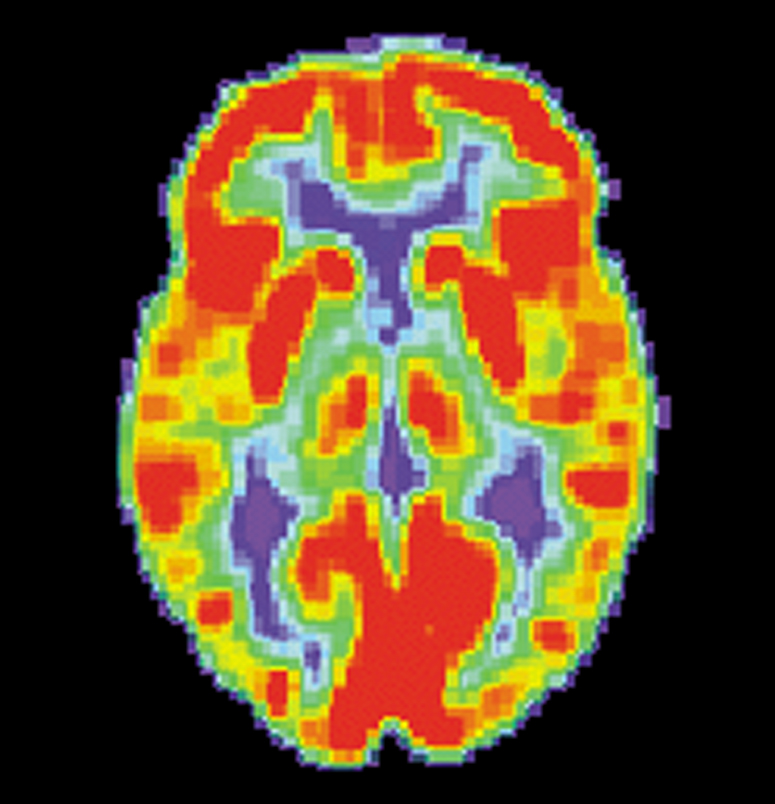
If you want to succeed in life, you must have a sharp memory but this depends mainly on your brain's health. Earlier, there was a notion that those who were old might not be able to boost their brain power. But researchers have disproved this theory. It has been proved that human brain, regardless of the age of the person, has a tremendous capacity to adapt, change and improve. Researchers have named this phenomenon as "neuroplasticity." But you have to make use of the right kind of stimulation for creating fresh neural pathways in your brain and for making modifications to the existing connections. The right types of stimulation will help your brain adapt as well as react in the ways you wish.
By using the concept of "neuroplasticity" and developing a good memory, you can not only improve your cognitive capabilities but can learn new things as well. Let us look at some of the tips that may help you.
1. Brain workouts
Biologists have found that before a person reaches adulthood, her brain will have developed countless neural pathways that may help her process information, recall details, solve familiar issues, and execute tasks that she already knows. In fact, she need not put forth much effort for carrying out all these. But if the person is complacent and limits her activities within these neural paths, it means she is not giving her brain the necessary stimulation for its growth or development. So, she must opt for brain workouts for shaking things up.
Memory is very much similar to muscular strength. You should therefore exercise it. The workouts you try should be challenging enough to help you develop fresh neural pathways. Learning a new language, solving mathematical problems, writing poems, indulging in creative activities, etc. are ways to exercise your brain.
Key elements of good brain-boosting activities
The most important element is that the activity should push you out of your comfort zone. This means you must be ready to explore a territory you have not treaded earlier. Learning a new thing or developing a new skill belongs to this category.
Secondly, the activity should be challenging and should demand your complete attention and mental effort. Learning to play a difficult music score belongs to this category.
The third element is that the skill you choose to develop should be such that you should be able to work to build on it. This means when you begin, you will begin at a very easy level and you will be growing your skill levels as you move ahead and improve. This also means stretching your capabilities to reach higher levels.
Lastly, the activity should be rewarding. Your learning process may stop if you do not remain motivated. Rewards take care of this part.
2. Physical exercises can greatly help brain development
You may wonder how physical exercises can help you develop a sharp memory. Biologists confirm that when you indulge in strenuous physical activities, your brain gets a good supply of blood and oxygen and this does a world of good for its development. It is a known fact that ailments like diabetes or cardiovascular diseases can negatively impact memory power. Physical exercises will help you negate the ill-effects of these ailments. It has also been proved that exercises stimulate creation of fresh neuronal connections.
3. Importance of adequate sleep
Though there are experts who say that it is enough if you sleep for about 6 hours a day, the fact is you must sleep at least for 7.5 hours to 9 hours for functioning with optimum efficiency. If you have a good sleep, you can certainly develop sharp memory. Your creativity and critical thinking and problem-solving abilities will also improve drastically.
4. Socialize
If you spend a good amount of time with your friends and socialize with them, you are more likely to develop a sharp memory. Researchers have proved that socializing and meaningful friendships bestow cognitive benefits also.
5. Learn to manage stress
Stress can negatively impact the brain power. If you are not able to manage your stress, you will very soon face memory issues. Stress is the destroyer of brain cells. It also damages hippocampus, the brain's region where creation of new memory cells takes place. Some of the ideas for managing stress are:
- Have realistic expectations.
- Take frequent breaks and relax.
- Don't bottle up your feelings.
- Have a good work-life balance.
- Concentrate on a single task instead of multi-tasking.
- Learn and practice meditation, yoga and breathing exercises.
6. Laugh as often as possible
One of the ways to develop a sharp memory is to laugh at every opportunity. Especially, those who are capable of laughing at themselves are known to have a very good memory. Since they do not hesitate to criticize themselves, they do not take criticisms seriously. Researchers have established that those who take criticisms seriously and keep brooding about them may lose their memory power soon.
7. Opt for brain-boosting diets
Nutrients like Omega 3 Fatty acids, fiber, proteins especially lean proteins, etc. can boost brain health. You should therefore eat more of fruits, vegetables, and wholesome grains for improving your memory. Avoid eating junk and oily foods, red meat, butter, whole milk, cheese, ice cream and sugary items because they may trigger dementia and affect your memory as well as concentration.
http://ezinearticles.com/?7-Tips-To-Develop-A-Sharp-Memory&id=9162415
5 Simple Tips To Boost Your Memory For Competition Exams

Here are few ultimate tips which one should follow once in life for boosting up Memory For Competition Exams.
1. Set And Achieve Your Goals
It will improve cognitive health. Every time you set a goal and achieve it, you mentally reinforce the notion that you have the power over your life. It makes you feel strong, capable and better prepared for the next challenge. Accomplishments - both performance and self-improvement goals - remind you of the great potential of your mind and your life, and increase your desire to create a better memory.
2. Meditate To Increase Problem Solving Skills
Talk to anyone who practices this regularly, and they will extol the benefits of meditation on improving memory power! Talk to a neuroscientist about meditation, who will explain that it has a profound effect on the mind and the power to transform the physical structure of the brain.
3. Try Hard To Read It Again And Again
This point does not need much of elucidation. We all must have experienced it at every stage of life, yet left it unnoticed. The moment a child comes across the first few lines of his morning prayer he automatically comes up with the rest of it. it is not because he sat down to learn it but because he recites it daily. This was the simplest example to how reading or reciting something regularly can help you memorizing it by heart.
Listen to music or make art to sharpen brain connections. If you aren't used to playing music, take a seat at the piano or the drumset. If you don't usually create art, grab that paintbrush or clay. Just do it - doing new creative, artistic things will give you more and better memory power.
4. Learn A New Language To Improve Your Connections
Write to improve your cognitive health; If writing isn't a regular part of your life, it should be (and I am not talking about business emails). Do something creative or expressive. Start a blog, keep a diary, compose a poem or find a pen pal. Or, write about something in your life - such as how illness has affected your brain and memory.
5. Feed Well Your Brain With Sleep
It improves cognitive function. Insufficient sleep affects mood and performance considerably. Having a well-rested and well-fed brain is the foundation for all these other steps; without that, you may not have the energy for much else.
http://ezinearticles.com/?5-Simple-Tips-To-Boost-Your-Memory-For-Competition-Exams&id=9195155
The Power of Spaced Repetition to Remember What You Read

In order to learn from a book, it is best to read through that book more than once. This is where speed reading will help tremendously. When first starting to read a book, look at the cover. Read what it says on the back of the book. Open up the book and read through the initial pages, then look through the table of contents. Flip through the pages, look at some pictures. Prepare the mind for what you are about to embark on. On your first reading, you can speed read, and don't worry about understanding or remembering everything. It is like when you build a house. At first you lay the foundation with the cement, but you don't expect to sleep there the first night.
On your second reading, have a notebook and pen or pencil to take notes. You may even want to highlight or underline if that is possible. You may not want to read as fast as the first time, and of course you want to stop and take notes. Don't be too concerned with remembering everything right away. Through the power of spaced repetition, you will be able to remember and retain more each time you read through the book or your study notes. Reading a chapter two or three times in a row is a great way to remember much of what is being read. The more you read or hear something, the better chance you have of remembering it. Have you ever seen someone who looks familiar? You may have seen him once before. You may have seen him at the mall, or maybe even on television. This may be the second or third time you are seeing him. If you should see him again, he will definitely be familiar.
It is the same thing with reading. On the second reading, many things will look familiar, and you will remember some things. When you write your notes, it will strengthen the memory even more. Even if you never looked at your notes, just by writing it down on paper, it will make an impression in your mind and will help to remember it. By reviewing your notes between readings, you are strengthening the recollection. By your third reading, you will have a much better understanding of the material than the first time. The more you read and review, the stronger the memory becomes.
Many people wait until the last minute to read and study the night before a test. This is a tough way to learn. Each day, put a certain time aside for your study time. Thirty to forty-five minutes is usually a good time to focus and learn until you may want to take a break. Remember, they don't build a house in a day, and you don't become a great sports champion in a day.
Each time that you read or speed read, when you focus, study, and learn, you are developing your skills, as a reader and a speed reader. You are also helping to build a strong memory, as well as learning about the subject you are reading about. Use the power of spaced repetition to learn much more than you ever thought possible.
http://ezinearticles.com/?The-Power-of-Spaced-Repetition-to-Remember-What-You-Read&id=9216239
The Messy Multitasker

There are a plethora of articles that support or condemn multitasking. Some say it takes 23% longer to finish one item when you multitask. Others say the brain is evolving and could potentially compartmentalize tasks simultaneously, like a computer. While both comments may have merit, there is an aspect of multitasking that is almost never discussed. That is the conversational multitasker.
The conversational multitasker is one who listens to another person as they reference their experience and knowledge to understand or validate what the speaker is saying. This is multitasking because the listener is actually listening to two conversations simultaneously. They are listening to what the speaker is saying and they are listening to their interpretation, which is a conversation about what the speaker is saying.
While many may acknowledge this process, it is difficult to distinguish the amount of conversations happening in the mind of the listener. For example, if the speaker talks about the color blue, the listener may have flashbacks of the midnight blue car their dad drove when they were young. The memory could evoke great feelings of their dad driving and the fascinating views the listener saw while in the car.
Furthermore, when the listener is listening to their experience in their mind about their dad's blue car, they are living in the past. As they relive the past, they are not present to the present - the speaker. This form of multitasking causes the listener to miss part of what the speaker is saying. As a result, the outcome can often be miscommunication. In the worst case, it can turn into an argument.
At the same time, the listener may not be very interested in what the speaker has to say. He or she may only be interested in what they agree or disagree with. Therefore, they may not be listening to the words of the speaker. They are simply listening to a representation of what the speaker is saying. In other words, if the speaker says things that match the listeners past experience or education, it is likely the listener will agree with the speaker. The opposite holds true for disagreement.
In the event the listener has no point of reference for what is being said to him, he may not know if he can agree or disagree. He may elect to ignore it. Or he may go into a state of confusion. One way to defend being in a state of confusion is to disagree with the speaker and insist the speaker is incompetent on the subject. To do this, the listener must run a list of conversations in his or her mind to determine how to respond to the confusion, all the while not fully listening to what is being communicated by speaker.
As you can see, the conversational multitasker can be a messy job. He can ruin great relationships simply because he tries to understand everything through that which he already understands. This is problematic because no one knows everything. If he encounters something that is outside of his experience or knowledge, he may try to make it fit what he already knows. Or she may invalidate it.
Some of you may be thinking to yourself: "that's just your point of view". The moment you have that conversation with yourself, you have engaged in conversational multitasking. Any comment you make is predicated on what you already know, the past.
Perhaps children have an advantage. They do not have an extensive past. In some cases, they have no past to reference. Instead, children take every experience as an opportunity to learn something new. They don't compare new information to the past. They simply understand what is occurring in front of them for what it is.
As for adults, the power comes when you can distinguish your conversational multitasking. The moment you do you will have the power of choice. You can continue to choose to listen to your past. Or you can hear what is being communicated to you with nothing added.
http://ezinearticles.com/?The-Messy-Multitasker&id=9494263
How to Improve Your Memory Through the Best Brain Food (By Curney Parker)

They say that you can't teach an old dog new tricks, but when it comes to the brain, scientists have discovered that this old adage simply isn't true. The human brain has an astonishing ability to adapt and change-even into old age. This ability is known as "neuroplasticity". With the right stimulation, your brain can form new neural pathways, alter existing connections, and adapt and react in ever-changing ways.
The brain's incredible ability to reshape itself holds true when it comes to learning and memory. You can harness the natural power of neuroplasticity to increase your cognitive abilities, enhance your ability to learn new information, and improve your memory at any age.
Just as the body needs fuel, so does the brain. You probably already know that a diet based on fruits, vegetables, whole grains, "healthy" fats (such as olive oil, nuts, fish) and lean protein will provide lots of health benefits, but such a diet can also improve memory. For brain health, though, it's not just what you eat-it's also what you don't eat. The following nutritional tips will help boost your brainpower and reduce your risk of dementia:
Get Your Omega-3s - Research shows that omega-3 fatty acids are particularly beneficial for brain health. Fish is a particularly rich source of omega-3, especially cold water "fatty fish" such as salmon, tuna, halibut, trout, mackerel, sardines, and herring.
If you're not a fan of seafood, consider non-fish sources of omega-3s such as walnuts, ground flaxseed, flaxseed oil, winter squash, kidney and pinto beans, spinach, broccoli, pumpkin seeds, and soybeans.
Limit Calories and Saturated Fat - Research shows that diets high in saturated fat (from sources such as red meat, whole milk, butter, cheese, cream, and ice cream) increase your risk of dementia and impair concentration and memory.
Eat More Fruit and Vegetables - Produce is packed with antioxidants, substances that protect your brain cells from damage. Colorful fruits and vegetables are particularly good antioxidant "superfood" sources.
Drink Green Tea - Green tea contains polyphenols, powerful antioxidants that protect against free radicals that can damage brain cells. Among many other benefits, regular consumption of green tea may enhance memory and mental alertness and slow brain aging.
Drink Wine (or grape juice) in Moderation - Keeping your alcohol consumption in check is key, since alcohol kills brain cells. But in moderation (around 1 glass a day for women; 2 for men), alcohol may actually improve memory and cognition. Red wine appears to be the best option, as it is rich in resveratrol, a flavonoid that boosts blood flow in the brain and reduces the risk of Alzheimer's disease. Other resveratrol-packed options include grape juice, cranberry juice, fresh grapes and berries, and peanuts.
For Mental Energy, Choose Complex Carbohydrates - Just as a racecar needs gas, your brain needs fuel to perform at its best. When you need to be at the top of your mental game, carbohydrates can keep you going. But the type of carbs you choose makes all the difference. Carbohydrates fuel your brain, but simple carbs (sugar, white bread, refined grains) give a quick boost followed by an equally rapid crash. There is also evidence to suggest that diets high in simple carbs can greatly increase the risk for cognitive impairment in older adults. For healthy energy that lasts, choose complex carbohydrates such as whole-wheat bread, brown rice, oatmeal, high-fiber cereal, lentils, and whole beans. Avoid processed foods and limit starches (potato, pasta, rice) to no more than one quarter of your plate.
When you think of food, you probably think of that dreaded four-letter word: DIET. Or maybe you think of fuel for your body... Or a source of happiness (or frustration!) in your life. What you probably don't think of is a powerful influence that affects your emotions, your personality, the quality and quantity of your memories, and even WHO you are as a person. But surprise: What you eat directly impacts all of the above. This may sound hard to believe, but it's true. Let me explain...
Your Brain: A Calorie Hungry Machine
Your brain represents only 2 - 4% of your total body mass, which is about 2 - 4 pounds for the average person. However, your brain also consumes about 20% of all the energy from your food. I'll say that again: Your brain consumes 20% of the food energy you consume. Plus, the type of fuel you give your brain through food and supplements has a critical influence on how you think, feel and experience life. You-and your entire human experience-actually ARE what you eat. As Dr. Fotuhi put it: "What you eat will re-shape your brain... for better or for worse". So, once again, we need to put our brains first when it comes to improving our health and happiness.
Which nutrients does my brain need... And how much? There are certain nutrients your brain absolutely needs, some you can consume in higher doses to increase performance... and some nutrients your body absolutely doesn't want. Let's start with what your brain absolutely needs each day: Fuel. To function properly and consistently repair cells, your brain needs the energy you get from food. This is a no-brainer (ha ha, pun intended). However, if you go on an extreme calorie restricting diet, not only are you restricting the fuel you're giving your body- you're also restricting the fuel you're giving your brain. Why is this dangerous? While your intentions may be in the right place, you may effectively be starving your brain, which leads to brain fog, mood swings, anxiety, slower and more difficult learning, feeling unmotivated, etc. And most dangerously, malnutrition over prolonged periods can even physically shrink your brain. Calorie restrictive diets are NOT the way to go.
Let's say you're on a strict calorie restrictive diet that limits you to 70% of the actual caloric fuel you (and your brain) need on an average day. This means you're not getting 30% of the vitamins, minerals and energy you need just to operate at baseline... which equates to about 6% direct malnutrition to your brain.
Starving your brain makes you angry, short tempered, dull and emotional. And frankly, it never gets you to your goal. Do you know where the willpower comes from to stick with a healthy practice? It comes from feeding your brain the right fuel in the right amounts to stay strong.
I want to focus for a moment on one particular killer that is extremely dangerous for your brain: Sugar. WebMD even asks the question: "Is sugar worse for you than say, cocaine?" When up to 80% of all foods we can buy in a grocery store contain sugar, it can feel like a losing battle.
Not only is sugar proven to be highly addictive-meaning the more you eat, the more you want to eat-we're finding that over time, sugar can contribute to the shrinking of your hippocampus (the memory sector of your brain), which is a hallmark symptom of memory problems.
How Does Sugar Affect Your Memory? Research out of the University of California, Los Angeles, suggests that sugar forms free radicals in the brain and compromises the nerve cells' ability to communicate. This can have serious repercussions in how well we remember instructions, process ideas, and manage our moods, says Fernando Gómez-Pinilla, Ph.D., author of the UCLA study. In the short term, you've probably seen how sugar can mess with your emotions and adrenaline surges, a.k.a.: the stress hormone. So something to consider: Your memory issues may NOT be age-related. It might be what you're eating. What happens when you eat sugar?
When you eat sugar, your insulin spikes, which briefly increases your dopamine levels. (Think of dopamine as the "happy chemical.") For a short period, you feel happy and energized... perhaps a little hyper.
But this high quickly wears off (i.e. NOT a stable source of energy), and eventually you come crashing down. This familiar "sugar crash" produces the stress chemical adrenaline, which can leave you feeling anxious, moody, exhausted and even depressed in the aftermath.
The USDA recommends staying under 10 teaspoons (40 grams) of added sugar a day. This is about the equivalent of a bagel or one cup of your typical non-fat yogurt-which has a tendency to be surprisingly high in sugar. (Check the label of the yogurt in your fridge and see what I mean.) Now don't worry: This daily sugar limit doesn't include natural fruit and vegetable sugars in their pure forms like an apple. But DO avoid those mocha lattes at all costs.
Personally, I think sugar is the real reason why gluten-free diets tend to work so well for many people in terms of improving overall body and brain health. It's not because they're removing the gluten. (Only 1% of the population has Celiac disease, in which case the body can't tolerate gluten). I believe it's because most foods that contain gluten also contain a lot of added sugar: Breads, baked goods, etc. Removing the sugars alone can have a massive impact on your mood, memory and clarity of thought.
We also know though countless studies that obesity, high cholesterol and diabetes can shrink the size and performance of your brain. So if you want to cut the risk of memory loss, the first and fastest thing you can do is educate yourself on brain-healthy foods vs brain-shrinking foods- and immediately remove the dangerous foods from your diet.

What are the WORST Foods For Your Memory and Cognition?
Salt can be a big culprit, mainly due to excess. Salt is an essential mineral we need to survive, however the USDA recommendation is just 1,500 mg a day. The average American eats 3,400 mg/day, primarily because our culture tends to consume a lot of processed and packaged foods. These are the worst when it comes to unknowingly consuming extremely unhealthy doses of salt-which by the way, also increases your risk of stroke.
Trans fats are also dangerous to brain health. Typical trans fats are often found in fried foods, margarine, shortening, non-dairy creamers, ice cream, cake mixes, microwave popcorn, ground beef, frozen dinners, cookies and crackers.
The BEST Foods For Your Brain
To boost your memory, mood and cognition, you want to focus on a "healthy brain" diet. This involves eating foods that support the growth of new brain cells, as well as taking a quality daily supplement with the right quantities of specific nutrients, to give your brain the building blocks it needs to stay sharp. One of these nutrients is called DHA, found in Omega 3 fatty acids, which helps reduce inflammation in the brain. Many researchers have found that people with behavioral problems, children with ADHD and people suffering from Alzheimer's disease have lower than normal DHA levels.
For example, in Gothenburg, Sweden, scientists conducted a study on over 9,000 students. They found that children who ate one serving of fish per week (a great source of DHA) did 15% better than students who ate less than one serving of fish per week. I recommend you aim for 1,000 mg of DHA each day through your food and/or supplementation.
Best Diets For Memory & Learning
As an overall eating style packed with healthy brain foods, most scientists recommend the Mediterranean diet as a great plan to give your body and brain the best quality foods, even if you're trying to lose weight. For more tips, I also highly recommend following trusted food gurus like Mike Geary, aka: "The Nutrition Watchdog." Need motivation? Here's a fun fact for you: Those who follow a healthy diet combined with exercise have a whopping 65% LOWER chance of getting Alzheimer's disease.
Here's a Good List of Delicious Brain-Healthy Foods: Olive Oil, Garlic, Peas, Blueberries, Green Tea, Kale, Nuts and Seeds, Fatty Fish like salmon, trout, mackerel, herring, sardines, Tomatoes, Pumpkin Seeds, Blackcurrants, Broccoli, Sage, Eggs.
All of these foods are great for children and adults; for studying, improving memory, and just feeling great all-around.
I am a Nutritionist specializing in Brain Health. I work with a company named "Simple Smart Science". Our mission is to identify areas where big leaps in performance in every area of your life can be achieved and then give you products that take you there.
We spend hundreds of hours researching different scientific case studies from around the world to discover the ingredients which we use. They have to be double blind, placebo-controlled clinical studies for us even to read them because these are the only methodologies accepted in the scientific community.
We only use dosages that are clinically proven to work at optimal results, use premium ingredients from trusted sources, use the top rated manufacturing facilities and use a third party testing facility to test our products over and over at every stage in the formation.
Every system in your body - from your nervous system to your digestive to your immune system - is controlled by your brain. Your overall health is controlled by your brain. This includes your emotional state as well. When your brain is healthy and performing your overall health is improved.
Top 10 Actions To Increase Your Memory

There are numerous things that contribute to a good memory. The health of your brain is amongst the most crucial. It's natural for memory to decrease with age, however there are numerous ways to slow that decrease. A bad memory can be frustrating for everybody involved. There are simple steps you can take to enhance your memory at any age.
Increase your memory with these simple actions:
1. Change your diet plan. Research recommends that omega-3 fats and an anti-inflammatory diet can enhance memory. Your diet impacts all aspects of your body. Modify your diet and you alter your capability to store and recover memories. There are a number of variations of anti-inflammatory diets. Experiment and see which works best for you.
2. Handle stress. Stress is hard on your body, brain, and memory. Stress has been linked to decreases in memory. Set affordable expectations for your life. Discover how to relax and avoid stress. Ensure that you're getting enough free time.
3. Get enough sleep. Scientists are still puzzled about what occurs while we sleep, but it has actually been discovered that our brains don't work too well when we've been denied adequate sleep. One late night on the town will prove this fact to anyone. Get enough sleep and your memory will be enhanced.
Stick with a routine sleep schedule.
Avoid caffeine.
Try napping for a middle of the day pick-me-up.
4. Use repetition. It's much more effective to expose yourself to something consistently over time than to attempt to learn it in one sitting. If you're trying to learn French vocabulary words for example, six 5-minute sessions will be more advantageous than one 30-minute session. The popular flash card program, Anki, uses spaced repetition to help memory.
5. Keep your mind active. Do something every day that requires a lot of brain activity. Reading, crossword puzzles, chess, and numerous brain teasers work at keeping your mind active and sharp. Avoid depending on just a single activity. Mix it up and hit your brain from every angle.
6. Be creative. Creativity utilizes different parts of the brain than the more analytical functions we normally perform. Paint, draw, discover an instrument, or compose. Anything needing creativity can be beneficial.
7. Workout. Moving blood through your body and brain can boost memory. Obesity can cause blood sugar and circulatory concerns. Both can impair memory. You do not need to pretend you're training for the Olympics, however get your heart pumping for a few minutes each day.
8. Write things down. It's much easier to remember something if you write it down, instead of just hearing or reading it.
9. Say it aloud. Utilize all of your senses. State it so that you can hear it. If you write it, read it aloud, and imagine it, it will be a lot easier to keep in mind. Expose yourself to the information you want to remember in a variety of different ways.
10. Maintain healthy relationships. Some memory specialists think that relationships are the key to keeping your brain healthy and active. It has actually been found that those with the busiest social lives have the slowest decreases in memory.
Invest more time with friends and family.
Make some brand-new friends or join a club.
Volunteer.
Even if you think you've been pestered with a bad memory, it can be easily boosted.
Minimizing tension, challenging your brain on a regular basis, and getting enough sleep are a few of the steps that can be taken to enhance memory function. It's never too late to pay attention to your memory.
http://ezinearticles.com/?Top-10-Actions-To-Increase-Your-Memory&id=9488273
Subscribe to:
Posts (Atom)
