Showing posts with label happy couples. Show all posts

5 Myths About Happy Couples (and Why They're False)

Every couple has issues, no matter how it looks from the outside.
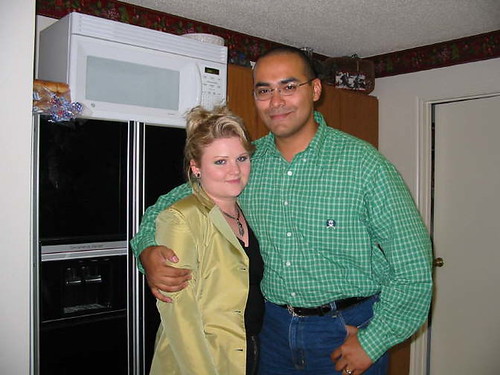

True love is not always roses and chocolates. In fact, it can get messy and complicated. Giving up fairytale notions, however, means you won’t be constantly dismayed when love’s inevitable reality shows itself to be different than your internalized fantasy. For example, consider these 5 myths about happy couples:
Myth: Happy couples want to have sex all of the time.
Fact: They don’t want to have sex all of the time, but they do gear up for sex.
The reality is that the very hot feelings early on in a romance eventually wane, simply because familiarity creeps in. It’s inevitable that your partner won’t seem as new and exciting to you at some point. This means you are likely not going to constantly desire sex, like you may have early on. What it doesn’t mean is that you stop having sex and that you don’t still have exciting, sexually-charged moments together. Healthy couples work to have sex, even when the initial desire is absent. Gearing up and having sex keeps couples connected in more ways than merely interacting around the chores, plans, and logistics of life. But quality is what’s important—not quantity. You don’t need to have sex all of the time to have a healthy relationship. Feeling burdened by your partner’s sexual demands is also problematic. Healthy couples keep a good balanced sex life where quality and mutuality trumps frequency. 
Myth: Happy couples don’t fight.
Fact: They fight, but they also forgive.
So often we hear popular wisdom espouse that couples should “never go to bed angry," and seemingly happy couples like to boast, "We never fight!" Yet, I can’t tell you how often I’ve heard a teenager say how confused they are because their divorcing parents never fought. Arguing and conflict are normal parts of intimate relationships. If it never happens in your union, then you are not two separate, self-actuating beings and you may eventually find that one of you becomes claustrophobic in the relationship. Happy couples fight, but they stay happy by using tools to work through their conflicts. Most important, they have well-tuned abilities to soothe each other and make each other feel better and secure.
Myth: Happy couples tell each other everything and enjoy doing the same things.
Fact: Happy couples have a separate life, outside of their relationship.
It’s an absolute myth that happy couples share every detail of their existence and do all of the same activities together. In fact, sharing everything can lead to less intimacy; you may begin to feel like your partner’s therapist and not their lover. Or if you do everything together, you can start to feel as if your partner is an extension of you, not a separate person. Happy couples have multiple ways to feel supported and enjoy their lives. They may not enjoy the same specific interests and activities, but they do agree to try new things together. They indulge each other’s interests and, at the same time, support each other in pursuing their own separate goals. Even if it’s not a traditional hobby, happy couples have tried-and-true ways of enjoying time together and laughing: It could be something as simple as just watching reality TV on the couch.
Myth: Happy couples love unconditionally.
Fact: Tension and challenge are always present.
Happy couples are not complacent couples. They don’t always say, “I love everything about you and I love everything you do!” There’s tension between fully accepting your partner as is, but allowing for growth and change. What is life without growth and change? For happy couples, the tension between these polarities means unconditional love is not always possible. At the same time, the tension between what we are and what we are becoming means the relationship remains vital not stagnant.
Myth: Happy couples are entirely emotionally healthy.
Fact: Everyone has issues.
So often I talk to people in my practice who say they feel “crazy” or “weird’ because of whatever issue they are facing. I have come to see that most people struggle with something. The question is, Are you aware of what you struggle with? Can you acknowledge it to yourself and to your partner, and can they do the same? Happy couples recognize their own shortcomings and can even laugh about their foibles from time to time. If a member of the relationship has no ability to admit fault, apologize, forgive, or hold themselves accountable, that is when relationships become stuck and eventually toxic.
If you find yourself often frustrated that your relationship isn’t closer to “perfect” or that you and your partner are not more enamored by one another and cherishing of your time together, consider that your relationship might be more “normal” than you recognize.


The 7 Secrets Of Happy Couples


Do you notice happy couples around you and wonder how they continue to have fun together year after year? Of course, appearances aren't everything — and there's often more to relationships than meets the eye.
That said, there are certain couples who have a palpable level of trust and respect for one another that makes it harder for us to imagine them fighting about the silly stuff that most of us get into.
So ... What are they doing to maintain this high level of connection?
Well, the truth is that most, if not all, couples have their differences. They fight and have moments in which they are deeply frustrated with one another. And there are times when even the happiest couples look just like unhappy couples!
However, there are some important distinctions between happy and unhappy couples. Basically, happy couples know how to fight fairly and how to continue to strengthen their bond.
With practice, we can all develop the following skills that fortify relationships:
1. Happy couples trust each other.
Even when happy couples disagree they trust their partner to be kind, faithful, honest — to care and to have their best interests at heart.
Researcher John Gottman found that couples who trust each other live healthier and longer lives. He found that trust is related to the release of oxytocin, which is the feel good, “bonding” hormone. It’s the same hormone secreted when we have an orgasm — and the stronger the orgasm, the more oxytocin we secrete.
Happy couples tune into one another and step up when the other is in need. When disagreements arise, they default to trusting and forgiving rather than doubting and begrudging.
2. Happy couples don’t despair about their differences.
They know that their differences exist — and sometimes these differences are quite dramatic. Every couple has their ongoing clashes in which their personalities and preferences collide. They notice, ”There it is again — that dance that we do when you do what you do and I do what I do.” But noticing and judging are very different.
Gottman’s research reveals that most marital conflicts are unresolvable. But this doesn't necessarily mean despair. It all comes down to perspective.
Happy couples duke it out fairly knowing that, even with an unresolvable conflict, they are in it for the long haul. They can tolerate the feelings that arise from a dispute and may even accept or laugh about their differences.
3. Happy couples are kind.
They know that their words and behaviors count. Arguments are not a free-for-all. They take care about the words they choose to express frustration and disappointment.
The intention in their communication is to listen carefully and tell their truth kindly. Even when the message to be delivered is difficult to say — it is said with honesty and compassion.
This builds a reservoir of trust and safety. Listening deeply to your partner allows him or her to feel truly seen and heard which is what we all long for.
4. Happy couples can successfully repair the damage.
We all have within us the potential to speak or act badly. It’s about being able to successfully manage the harm or hurt. Happy couples can empathize, apologize and forgive.
The key is to remain conscious of how we express ourselves and listen to our partners. The way we deliver messages is more important than the words we use. Keep in mind that “tone always trumps content.” For example you can say, “I heard you.” Depending upon the tone of voice used, the meaning can vary wildly.
5. Happy couples schedule fun.
They share conversations where they recall sweet memories. They offer up what they love about each other, which can jump-start loving feelings and diffuse bad ones.
But they also don't rely on thinking about the honeymoon phase to fuel the fire of their relationship in the present and into the future. Rather, they build on the pre-existing strengths of the relationship by scheduling fun experiences together that keep things new and fresh. They may even choose to spend time with other couples who have a healthy bond, which reinforces the positivity in their own relationship.
6. Happy couples have rituals.
They generally go to bed at the same time and wish each other good morning and good night regardless of how they feel and usually add a hug or kiss. They connect during the day, not only because they love each other and have the desire to be in touch, but because they realistically acknowledge that relationships are a practice.
7. Happy couples behave like good friends.
They handle their conflicts in primarily positive ways. They honor their individual needs and their shared goals — helping each other realize their goals and dreams. They do what they can to promote and safeguard each other’s happiness.
Most importantly, happy couples are committed to working hard on keeping their connection strong. They don’t take each other for granted and they actively practice these strategies and acts of loving kindness.