Showing posts with label social situations. Show all posts

7 Tips to Get Rid of Social Anxiety


I sat at the end of the sofa. This is the spot I’d been in all night watching people move around the room, and listening to whomever chose to sit next to me talk. This is how I used to inhibit a party. Motionless and quiet, waiting for just the right moment to hurry home.
This was not just my way of dealing with parties. It reflected the way I dealt with much of my life. Too afraid to show the world who I really was, I’d try my best to stay quiet and still. Don’t say too much. Don’t laugh too loudly. Don’t let them know you are anxious. Don’t let them notice that you are different.
Do you ever think you might be the only one whose heart races at the thought of going to a large social gathering? Do you ever wonder if anyone else’s voice shakes when too many people are listening to her talk? Do you ever feel like you’re the only one who would rather not attend a party?
For much of my life I thought I was the only one. Then one day I noticed the slight unsureness in the voice of an acquaintance as he addressed the room at a social event, and I thought maybe he feels it too. I noticed it again as I sat in a fast food restaurant alone eating and I saw a woman I worked with pull into the drive through window to order her lunch and pull into a parking space to sit alone in her car eating. I wondered if she felt it too?
I was an anxious, scared child who grew up to be an anxious, scared adult. The source of much of my anxiety was dealing with social situations.
When you have social anxiety you can feel like you’re alone? Other people put on such brave faces you might wonder how they do it. You might assume that they have never experienced this before, but more people are anxious in social situations than you realize.
My natural tendency is to become a kind of recluse. I could stay in the house for days and see no one and be fine with that. That life is easy, and safe, and tempting to me, but it is too easy. With such ease comes unhappiness.
As human beings we need to be challenged. The pursuit of true happiness requires that we stretch and grow to push ourselves just a bit further than we ever have before. That need to grow and push myself is why I started trying to work my way past my social anxieties.
At first I simply tried to will myself to feel more at ease around people. I made goals to engage in more conversation, but that just made me feel stressed and sad. I was fighting my introverted nature too much. There is nothing wrong with being quiet, as long as that quiet doesn’t come from a place of shame.
I realized that I had to work on my confidence first. Being an introvert wasn’t really the problem. The problem was not feeling like I was good enough. Here are some ways you can build your confidence in life in general and help you rid yourself of social anxiety.
Accept who you are. We are all different. Some of us are extroverts and some are introverts. In our society, it seems as though being an extrovert is more desirable, but in reality both introverts and extroverts are necessary. One is not better than the other. They are simply different.
As an introvert you’re keeping company with the likes of Bill Gate, Albert Einstein, JK Rowling, Abraham Lincoln, Gandhi, Rosa Parks, Audrey Hepburn and countless others. Being an introvert doesn’t mean you have a disadvantage in life. If you don’t have a lot to say in a conversation that’s fine. Most people really want to be listened too anyway, and you can be a very good listener.
Challenge yourself. Like I said before we need to learn and grow to be happy. Try new experiences. Learn about a new subject. Challenge your fears.
I was very much afraid of speaking in public so I decided to join a Toastmasters group. The first speech I made was terrifying, but it’s gotten easier with time. Now I feel much more confident about my ability to speak in front of others.
Feel the fear and do it anyway. Yes, sometimes we have good reasons to feel afraid, but social situations aren’t usually one of them. Putting myself in a situation where I was speaking in front of a group on a regular basis helped me tremendously. I can’t say that I’m no longer afraid of speaking in public, but I am a lot more comfortable with that nervous feeling that speaking in public gives me. I know it well and am able to ride it out.
Be mindful and present. Pay attention to what’s going on around you. A lot of the times anxiety consists of worrying about things that haven’t happened yet and may never happen. Pay attention to the moment and let the future happen. Being present in the moment will help you interact much more effectively with others.
Dress the part. Wearing clothes that make you feel good actually gives you a boost in confidence. Wear clothes that you really like. I used to have a closet of clothes I didn’t like. Then I realized that dressing differently naturally made me stand up a bit straighter and feel better about myself.
Visualize. When you’re feeling anxious about a social situation normally you sit about thinking about how it could go horribly wrong before the event. Stop that. Start doing just the opposite. Visualize how it could go incredibly well.
Realize you’re not the only one. There are lots of people who feel a bit anxious in social situations. I’m sure you’re not the only one in the room.

http://www.pickthebrain.com/blog/7-tips-get-rid-social-anxiety/

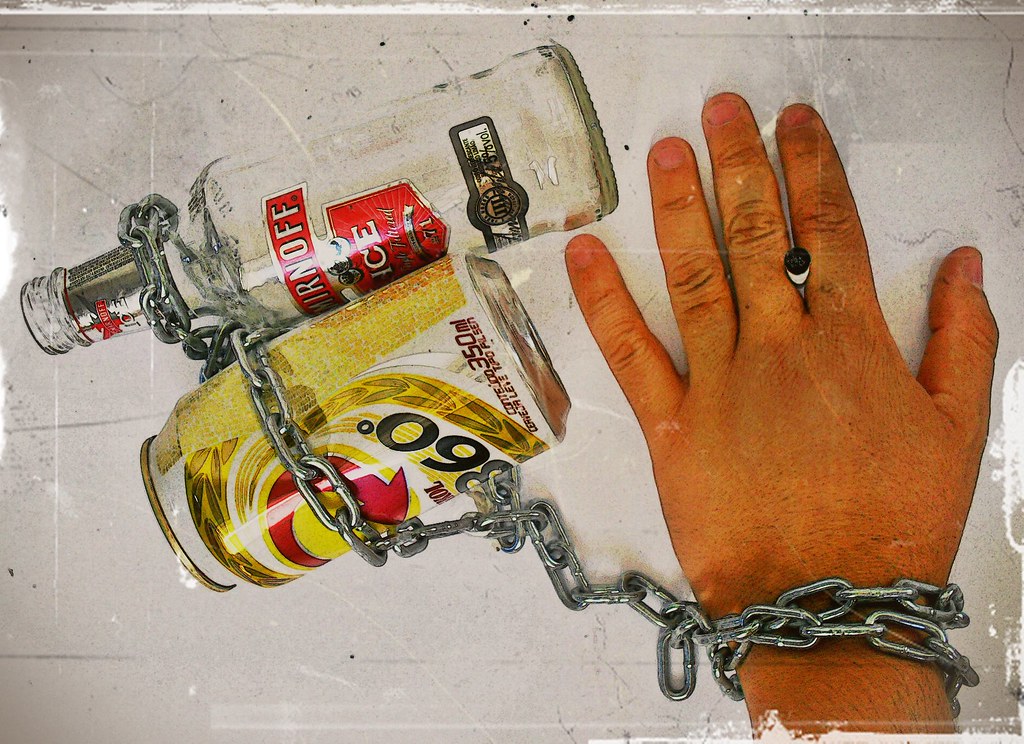
I Was A High-Functioning Alcoholic. Here's What No One Tells You About Giving Up Booze


I have been sober for three years but it feels more like a hundred.
Three years ago, I was lying on the floor in savasana when all of a sudden every cell of my body received the cosmic message: STOP. I sobbed uncontrollably in the yoga studio, finally accepting that I was done drinking. I wasn't even hungover that morning. I was just tired.
When I drank, I had some scary, embarrassing and dangerous experiences. Once I was arrested in Canada for public drunkenness. Many mornings I couldn’t tell you what had happened the night before. I'd been cut off in all kinds of bars, and some nights I threw up from drinking — only to continue to drink.
For 10 years, I had used alcohol to cope with uncomfortable feelings. I used to look forward to the weekend so I could drink to excess — it gave me a reason to work five days a week in a dead end job. When I was out, I drank and made conversation until the alcohol took effect and carried me out of consciousness.
I had tried for years to get clean, sometimes moderating my intake or only drinking on the weekends, but as time went by, it got worse. I had less and less control, until one day I just stopped.
Quitting drinking was the easy part. Living a healthy, balanced sober life is what's freakin' hard!

During my first few months of sobriety, I became a hermit, which caused me to lose some friendships. Once I stopped drinking, I realized I had nothing in common with many of my "friends" aside from partying.
I had spent so many years neglecting my emotional, spiritual and physical health that once alcohol was out of the picture, I was left with a mess of my life. Without booze, I didn’t know how to behave in social situations. I was scared of people, terrified that I wasn’t an interesting person and that I was — gasp — boring!
The thing is, people think sobriety fixes everything, but in reality it's just the beginning of a long road of self-help books, crying for no reason, going to meetings, and dealing with confusion and fear. But it’s also the start to living in an honest and truthful way that’s better than my best drunk day.
Quitting drinking was the easy part. Living a healthy, balanced sober life is what's freakin' hard!
And even now after 1,095 days of sobriety, it’s still hard to be the only one at a party drinking tea, having to try so hard socially to just have fun while surrounded by people letting loose. It's not easy when the waiter takes away my unused wine glass when I say “just water, thanks,” and I don't love dancing at weddings completely sober.
I won't lie — these moments suck. But if I imagine myself giving in and drinking that glass of wine, I know it would taste good, but I wouldn’t really enjoy it because I’d be thinking about the next.
Three years in, I am still living “alcoholically.” I still sometimes restrict myself with little food or too much exercise in order to show myself that I am healthy, normal and “on top of things.”
All goes well when I am restricting. I actually feel pretty good about myself and my self-control. This typically lasts for a few weeks, until my emotions erupt and I go into “binge mode.”
About a year ago, I was talking to another young female alcoholic in recovery. She was telling me how important it was that we take care of ourselves and feed ourselves properly. I nodded, but I remember thinking, I feed myself. That’s her problem and not mine.
But now I can see that I was barely eating, or I was just drinking juice for a period of time and then all of a sudden binging on chocolate, candy or chips. I was a sober alcoholic, as they say. I tried, unsuccessfully, to control my feelings and emotions until they bubbled over.
I always wondered what people did if they didn't drink. I remember one time, many years ago, someone asked me what my hobbies were and surprisingly (at the time) I couldn’t think of One. Single. Thing. That’s how small my life had become.
Since giving up alcohol, I have developed myself and started doing things I really love, such as establishing a yoga and meditation practice, writing and even running marathons.
I have come so far, yet there is still so much more to go. I will never feel totally safe because this is something that doesn’t go away. I just need to keep taking care of myself and checking in, honoring my physical and emotional needs.
I have developed compassion, understanding and nurturing for myself. If I am hungry, I eat. If I am tired I sleep. Instead of looking to cover up my emotions, I feel them. I have learned to take it one day at a time and to trust that I am taken care of.

4 Tips on How to Overcome Shyness


Shyness is defined as feeling uncomfortable in social situations to the point where we don't enjoy ourselves. When you find yourself around other people, do you feel stress? Does your shyness interfere or lower your performance at work? Do you often find yourself avoiding social situations all together? If so, you will benefit from some tips on how to overcome shyness.

Learning how to overcome shyness begins with accepting your condition and challenging yourself to make changes. Don't expect results over night as there is no 'magic pill', but with effort and determination you too can learn how to overcome shyness. Here are four tips on how to overcome shyness that may help you feel more comfortable in social situations.

4 Tips on how to Overcome Shyness

1. Affirmations

Affirmations can be defined as "something declared to be true; a positive statement or judgment." Shy people are well versed at beating themselves up with negative affirmations such as, "I'm boring", "Why did I just stay that?", "What an idiot I am, "boy am I a loser", etc., etc. I challenge you to write down as many negative qualities that you (or others may have said to you) have been holding onto. Look for common themes and then wire out an affirmation on the positive aspect of this self-judgment. (For example if "loser" is a common theme the positive aspect would be "I am a winner"; a more detailed affirmation would read, "I am an interesting and worthy person".) Affirmations are effective if you repeat them to yourself (or out loud in front of a mirror) several times a day for a few minutes.

2. Open the vault, take a good look and let go.

How do you feel about yourself? Do you feel unworthy? Perhaps thoughts like; 'I don't fit in because I am not smart/interesting/good looking enough? Why is everyone looking at me?' Take a minute to reflect about how you see yourself and identify the root cause of your shyness. (eg weak self-image) Sometimes we can be too narcissistic and take ourselves too seriously. Give serious thought to accepting your shyness as opposed to beating yourself up about it and fighting it. Being able to accept and laugh off weaknesses can take the pressure off allowing you to move forward.

3. Get out there!

Small steps at first, but challenging yourself to get out there is a key component on how to overcome shyness. You may feel like you have to "fake it" or "act confident" but with a commitment to a positive self-image and a shift in your attitude, it is possible. Facing your demons is uncomfortable as is learning from your mistakes. Some 'getting out there' examples include:

* Join clubs or groups where you have an interest, knowledge or experience.

* When in social situations, make a habit of always introducing yourself. Remember to smile, firm handshake, and eye contact, displaying confident body language.

* Make an effort to talk to as many different people as you can when you are out or set a goal... ' eg. every time I go out I'm going to talk to 1/2/3 new people." Keep records.

* Be approachable... do others think you are hostile, aloof or stuck up? Often shy people are mislabeled this way. Body language is key; stand tall, keep your head up, smile, etc., as this will help send out positive vibes and draw people to you.

4. Prepare in Advance

Are you a good conversationalist? If not, this is certainly a skill that can be improved that will help boost your confidence. Some tips on having a good conversation include:

* Desirable body language. (Everything from not slouching to your clothes, your smile and remembering to floss!)

* Be dedicated to the conversation. Be in the moment, really listening to the other person.

* Show genuine interest in the other person, they fascinate you!

* Use compliments often.

* Avoid "I" talk. General rule of thumb is: Listen lots, ask questions, offer compliments and avoid talking about yourself continuously.

* Know your strengths. What are you knowledgeable about?

* Use of appropriate humor is great! Laughing at your self during awkward pauses in the conversation is awesome. Hey, it's certainly OK to admit to the other person that small talk is not your forte or that you are naturally a little shy.

* Breathe! Think of yourself as an actor... Remember sometimes you have to 'fake it'!

The key to a good conversation is your mental approach or your game plan. You DON'T have to impress anyone, so take the pressure and worry off yourself. If you show genuine interest in the other person and make them feel important the environment becomes relaxed and comfortable.

Overcoming shyness is no easy task. There are many ideas out there on how to overcome shyness but there is no 'one size fits all' solution to this problem. For someone who is shy, it will take a lot of positive work, self-analysis, as well as changes in behavior patterns to overcome shyness. With effort and dedication you will be able to become more confident and open.