Showing posts with label quit. Show all posts

Everyone Loves A Winner


Winning is a habit, and so is the other thing of losing. Genuinely simple as an affirmation made enough times, we can all raise ourselves and our vibrations up if we give ourselves a chance to do that. For genuine winning is simply the habit of never quitting until you genuinely do succeed.

This will be a classic motivational article in many ways, with an emphasis on habit and affirmation. Also, this will spotlight the realities of the habits of winning and losing also.

Winning is as simple as a habit, it is not a fixed situation in any way. It does not depend on where you start, where you are, and how much behind you are or even how much advantage you have. It is a habit or to put it another way that is almost the same, it is an affirmation.

The biggest losses come to those who quit. For those who master, the biggest gains come and come always. There is not any real loss for them, even starting over is looked at as an advantage.

The best winners are the winners who depend on mastery instead of luck. Sure, luck can be at best preparation meeting opportunity. But genuine mastery despite temporary failure is even better than that always.

To get beyond breaking even or almost, you must master yourself fully. That is the key to greatness. Without that key, all doors are locked. Skill is developed, it is not come by luckily. Hence, the seeming fault with the definition of luck that it is preparation meeting opportunity. Preparation is a form of mastery, and opportunity can only be noticed by those who are prepared for it.

Winning is everything when it is genuine, but is nothing when it is a genuinely lucky break of chance as described by anyone who is unfortunate enough to be lucky in the accepted sense. Mastery is the best way to go indeed.

Winning is repeatable when mastery is involved. Loss is mandatory when luck is depended on. Think about those two sentences, and you will see that they are really true, honest and real. Tragedy is quitting before mastery is reached. Happiness is being a master. Sure, that sounds simple until you realize the emotional frustration of loss and think: "What then? what now? I did my best!" Well in that case, it will take a little or a lot more to win through mastery because when you master instead of quit, that is when your best is good enough.


http://ezinearticles.com/?Everyone-Loves-A-Winner&id=8562425

Why You Need to Quit


It's never decent to stereotype a whole group of people based on a single person, thing, or anything that you don't like. That's why I don't do that. But not today.

Everybody wants to have a job that makes them happy, in all aspects.

If you are currently having problems with decision making (particularly, in deciding whether to stay or leave your current job), you are not alone. I am certain there are thousands of employed individuals today who are facing the same dilemma. I, myself, have been in that situation and now has made up my mind.

You might have read articles and essays about why you should not quit or leave your present job, but this one's the contrary. Today, I will tell you why you need to quit your current job.

1. There is no other way but up.

The day we decided to take on the path of being a working individual-being somebody who works nine to five, receives a minimum wage, earns every 15 days-, it is also the day when we started aiming for a job that will make us stay; one that will make you happy, one that will make you be satisfied with yourself, one that will make you feel how productive your simple self can be, one that will make all the weekdays feel like weekends.

We only want one goal: to have a job that will lift us up.

2. We also have to look at a different color.

What I'm trying to emphasize is that we all need to take different routes, drive different vehicles, or try different coffee mixes. We were given lives to make the most out of it. We were blessed with immeasurable intelligence in order to explore the world. We were granted freedom and will to make decisions.

We don't always have to become what the society expects us to be. We have to become what we want. We have to become what will make us happy. And in order to that, we have to take twists and turns. We have to let go of what's holding us back. You never know what your intelligence and skills might offer you.

If you have something new that you want to try, go ahead and give it a try.

3. Admit it; not everyone is happy with their current pay grade.

The 'more' adults would always tell us, "Just accept the offer. You know, you always have to stay years receiving the least pay. That's just how this life goes. Work hard and earn more."

Well, that might be true. But not always. You have to be honest to yourself.

Are you happy with the amount that you're receiving? You are certain you have done much more than what you're paid.

4. We will never know unless we do it.

Go ahead! quit your job! Thank people! Bid your goodbyes. Accept invites. Give it a try!

There is nothing wrong with trying new things, especially when those new things are pieces of your dreams. What's wrong is when you've been wanting it for so long but you didn't even try and dare to own it.


http://ezinearticles.com/?Why-You-Need-to-Quit&id=9778479

Why Are So Many People Afraid to Quit Jobs That Make Them So Unhappy?

working with laptop 5

Making the decision to walk away from a secure employment in tough economic times can be daunting even when you are not at all passionate about your job. Quitting a job inevitably leads to change, and to many people change can be scary.

Your desire to create a lifestyle of freedom MUST be bigger than the reason why you are still stuck in your current situation! Your willingness to free yourself has to be LAGER than your limiting beliefs.

So why would people get up every morning for 20,30 40 years and put up with the torture and torment of doing a job they absolutely dislike?

Fear: Fear of letting go of a steady pay check, fear of failure if they are to start something new, fear of being judged by family and friends if they decide to leave the current job, what if new venture doesn't work out if they decide to start a new venture, fear of going against the status quo!

Excuses: Not enough time, not enough money, no skills or experience to start something new.

Comfort Zone and familiarity: Many people are too comfortable in their comfort zones, not wanting to take risks and avoid anything that is not familiar. They say there's no magic in comfort zone but we still allow to be held back by our comfort zones.

The truth is that there will never be perfect conditions, the perfect day, the ideal time when the universe will align all the stars for you to take the leap of faith.

Start when you are not ready, feel the fear and do it anyway.

The fear holds and paralyze us.We fail to see anything past the fear.We cling onto this security so much that we allow ourselves to put up with anything.

We are conditioned to spend too much time analyzing the pro and cons, the whys and the how's instead of learning to fail fast, trusting our intuition and take the leap.

You could continue in your current corporate grind, working the long hours, living pay check to pay check, moving role to role for the next 20,30 years, earning a modest pay rise doing one performance review to the next, living for the weekends and playing the office politics day in day out.

OR you could explore a world of FREEDOM where you are in total control of your time, income and lifestyle.

They say nothing changes if nothing changes.You will realize that the short-term uncertainty is what we need to gain the long-term freedom!

The great news is you can take advantage of today's digital economy. Now that any other time in history is easier to design your own lifestyle!

There are more than 2.5 billion people online daily, which means you could have an unlimited customer base and build a location-independent, lifestyle based online business.

With little or no prior business experience you can use today's advancement in technology to acquire new skills and learn how to generate multiple income streams and become profitable.

And the good news is you can start a business venture part-time or as a side project while you are transiting to entrepreneurship

To create a new lifestyle of freedom you will need to challenge the way you currently think and change your current beliefs.

What does a lifestyle of freedom look like to you?

http://ezinearticles.com/?Why-Are-So-Many-People-Afraid-to-Quit-Jobs-That-Make-Them-So-Unhappy?&id=9690261

When Is The Best Time to Quit Your Job


Ever thought of quitting your job? Well, most people have harbored similar thoughts too. However much we are told to hold on for better days, there comes a time when you can no longer hold on to that job. There are numerous reasons as to why you would be justified to quit your jobs and look for greener pastures. Most of the reasons for quitting mostly emanate from the workplace.

Best time to quit

Before making that decision to quit, it will take time and patience. However, it is important to have a good enough reason to quit lest you remain jobless after giving up your opportunity. Below is an overview on the best time to quit your job.

If you are not appreciated
If nobody recognizes and appreciates your effort, you will certainly feel unappreciated. Instead of complements, your efforts are met with negative criticism. With such a job, you will never achieve satisfaction in what you do. As a matter of fact, you will develop hatred for your career. The surest way to avoid such an experience is quitting that job and find work in a place where your effort will count.
If restructuring is done regularly
If a company restructures from time to time, it is evident that there are management issues. If the management is not solid, this could spell doom for the company. You do not want to work in a company that is on the verge of collapsing. Do you? If you are not sure about the strategic plan of your company, you should reconsider your position as it is evident the future is dull there.
If you are not making any advancement
Everyone wants to develop their careers and some companies might hinder that. If you find yourself serving at the same capacity for years despite giving your best, it is crystal clear that the company does not appreciate you. It is only best that you quit and find a new job where your effort will be recognized and awarded accordingly.
Constant movement
If you notice a continuous exit by employees especially the good ones, it is proof that they are not satisfied there. Additionally, a persistent exodus is more than enough proof that there are better places to work. You too should find those greener pastures instead of waiting to be another disgruntled employee.
Conclusion:

Before you call it quits, you should have thought about the matter carefully. In addition, ensure that you only take up a job that guarantees you satisfaction in all aspects.

http://ezinearticles.com/?When-Is-The-Best-Time-to-Quit-Your-Job&id=9423502

A Navy SEAL's 4 Steps To Emotional Resilence


Do you tend to back off, or even quit, when things get really hard? Is it because you get overwhelmed emotionally, and let fear, uncertainty, or frustration derail you from your mission? My experience is that most people feel they should be able to bounce back quickly from life’s bummer moments, but they don’t know how and are left living in regret.
Resilient people are resilient not because they were born that way, but because they learned along the way that setbacks are simply an opportunity to learn and grow. It is a mindset and set of skills.
The bottom line is that emotional resiliency is a necessary ingredient of success.
I am a former Navy SEAL, and work on training SEALs in my current role. When you look at the tactics employed by Navy SEALs, you would notice a fiery determination to stay the course — even when hit by serious difficulties. SEALs learn that an inability to rebound quickly from failure can have crippling consequences. Grit, formed from mental toughness and emotional resiliency, is a by-product of training through failure, while expecting to win.
The bottom line is that emotional resiliency is a necessary ingredient of success for anyone working toward lofty goals. Here are a few tips to help you develop strengthen your resilience. Though these steps are simple to understand, they take extreme discipline to master. Here they are:
Step 1: Learn to witness the negative emotional reaction as it arises.
Next, observe the root emotion beneath it.
Step 2: Examine that root emotion to experience it fully.
This helps to ensure that you are avoiding denial or transference.
Step 3: Intentionally transfer the negative root emotion to a positive counterpart.
For example, you can turn fear into courage, anger into commitment, jealousy into appreciation, shame into pride, and despair into surrender. Admittedly this step takes great patience and willpower, which are part of this practice.
Step 4: Finally, engage the new emotion with self-talk.
This action blocks the old emotion from returning. It helps to divert your attention away from whatever drama caused the reaction to begin with, and focus on something positive, such as a teammate in need.
The positive momentum developed from this process will carry you to emotionally resilient territory. Let me use a personal example I wrote about in my book Unbeatable Mind: Forge Resiliency and Mental Toughness to Succeed at an Elite Level.
During Operation Iraqi Freedom, I was quoted in a newspaper article that focused on the way SEALs were being employed in Iraq. I thought I was having a casual conversation with a friend (who happened to be a journalist), and did not consider that he intended to use me as a source (my bad). He used my name and rank in the story to make it appear an official statement — one that was critical of the then SEAL leadership.
As I received the verbal beating, I could feel my anger boiling. My instinctual response was to lash out to verbally defend myself.
I got called out quickly by an official who read me the riot act. As I received the verbal beating, I could feel my anger boiling. My instinctual response was to lash out to verbally defend myself. And that was what he expected. But I witnessed the anger and sensed that a reaction from that emotional state would get me into deeper water. So I chose to interdict the reaction with an internally voiced command to stop the anger — while I nodded politely to the captain.
Though I was feeling anger, what I witnessed was that it was associated with guilt for my obvious screw-up and a fear of loss. The anger was a habituated reaction that clouded over the root emotion of fear. In those short moments I examined the fear, kicked its tires, and came to the conclusion that though I had made a mistake, it was an honest one and I was blowing things out of proportion. I chose to redirect the fear toward courage, and to maintain a focused, professional demeanor. I changed my internal dialogue to support the emotion of courage.
Soon what felt like a major incident was under control, and time moved on. Like many setbacks in life, this one was temporary and self-induced, yet provided a rich opportunity to cultivate emotional awareness and resiliency.
Imagine challenging situations in your own life. How have you reacted? Did the moment get the best of you and your emotions, and turn what otherwise should have been a speed bump into a full-blown wreck? If that’s the case, then consider experimenting with the above emotional training. Trust me, it will pay off.

13 Pieces of Career Advice to Help You Flourish at Work

Smart tips to succeed in the professional world
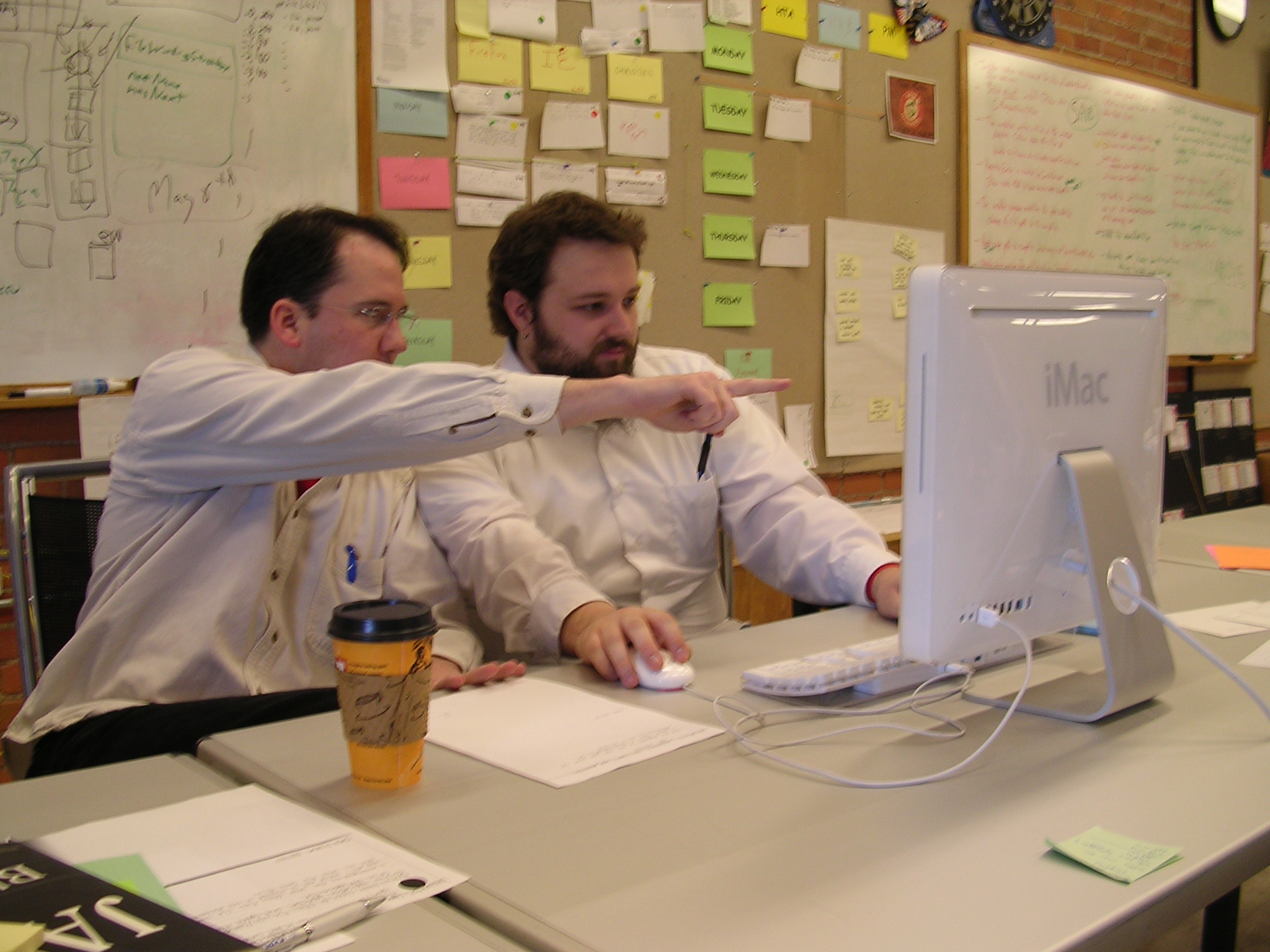


Whether you’re just starting out, fresh off campus, or celebrating an impressive work anniversary, there’s always chatter: Make sure you do this. Are you doing that? Don’t do this. Here’s my advice…
But chatter gets lost, forgotten. And that’s unfortunate. Because some of that chatter is good stuff—really good stuff.
So we asked the Young Entrepreneur Council (YEC) to share the best advice they’ve ever gotten from a colleague—and now it’s all in one place, found again, for you to read, reflect on and apply.
Here are 13 tips to succeed in your career:
1. If it doesn’t make you better, it’s not worth doing.
“Quit” is the ultimate four-letter word of the business world. Quitting just because something is hard can be a terrible decision, but quitting when something is not helping you improve can actually benefit your career. When I was at a job that wasn’t working, the colleague who heard me out urged me to go pursue something that made me better. That piece of advice has made all the difference.
—Brian Honigman, BrianHonigman.com
2. Leadership is the art of doing through others.
I was told, “Leadership is not just getting things done. Rather, it’s the art of getting things done through others.” This statement has caused a focused effort to delegate and empower our employees to get things done so I can focus elsewhere. I was often guilty of doing things myself but have noticed a shift in myself and in some of our employees since I’ve started owning that statement.
—Angela Harless, AcrobatAnt
3. Over-prepare, and then go with the flow.
Whether it’s sales calls, meetings, presentations or anything else associated with job-related duties, over-prepared individuals can relax once they are in the hot seat. It gives you the ability to maintain a grace under fire and creates room for necessary improvisation and flexibility. Nothing will ever turn out as planned, and when you are over-prepared, you can compensate for this dynamic.
—Jon Cline, Rokit SEO
4. Listen more than you talk.
Listening carefully and with real intent is such an important thing. My colleague is great at it, and every time I am reminded that by just listening well, you pick up a lot of what it eventually takes to succeed, or, for example, to complete a final sale. Customers will literally tell you what they need when asked.
—Ridaa Murad, Christina Ventures
5. Your colleagues are not your friends.
Just because you happen to be spending a majority of your day in the same building—or work situation—with these people doesn’t automatically mean that you can trust them or rely on them to have your best interests at heart. Save yourself disappointment by realizing that it takes time for a “work friend” to become a “real friend.”
—Alexandra Levit, Inspiration at Work
6. Race your own race.
When doing business at all levels, people lose the forest for the trees and get lost in the details. My business partner saw me doing this and told me his old swim coach’s mantra: “Race your own race.” The idea is that you ignore the details of what others are doing, and you do your best based on the objective information at hand. It has helped us stay focused and pass competitors.
—Brennan White, Cortex
7. Self-promote.
A former manager of mine noticed that I was doing good work but that I wasn’t being public about my own success. He said that I had to self-promote in order to get credit—and once it sunk in, I realized it was excellent advice. I have to make my own case as an awesome team member and show the milestones I’ve achieved.
—Jared Brown, Hubstaff
8. Slow down.
I walk quickly, especially when I’m at an event location and getting things done. At one of my first large events, a colleague told me to slow down—more specifically, to saunter. When I slowed down my walking, my brain slowed down. And during the walk from Point A to Point B at an event location, I could better assess how to handle four tasks at once. Saunter is my new middle name.
—Sydney Owen Williams, Planet Green Socks
9. Write out your plan for the day.
I learned from one of my first bosses the value in writing things down and creating a game plan for your day. Have a list of the things you want to accomplish for the day and prioritize the one or two big-ticket items that are most important. Tackle those first.
—Matt Murphy, Global Citizens Travel
10. Focus on the problem in its simplest form.
One of the most important things you can learn as an entrepreneur is to focus on the problem in its simplest form, one that you can describe in one sentence. Then come up with the simplest answer to that problem. If you know a problem exists, then you can determine the demand for an actual solution.
—Andy Karuza, SpotSurvey
11. Get things done early on.
Focus on identifying specific tasks or objectives you can achieve early on to establish your reputation as someone who gets things done. Be sure to choose a goal that matters to the company and its business objectives.
—Ryan Stoner, ryanstoner.com
12. Stay hungry, stay humble.
This advice was given to me by Scott Van Pelt, the ESPN SportsCenter anchor. The key to never faltering in business or life is to truly stay motivated and to not get overly confident when things go well.
—Nick Friedman, College Hunks Hauling Junk
13. Cheerfulness makes for usefulness.
When I started, too often stress showed on my face and I was projecting fear and anxiety, rather than confidence and faith. A co-worker pulled me aside one day and simply reminded me that I was the face of the company. “Cheerfulness makes for usefulness,” were her exact words. Since then, that has been my mantra.
—Mark Salamon, Gold Crest Care Center

13 Pieces of Career Advice to Help You Flourish at Work

Smart tips to succeed in the professional world


Whether you’re just starting out, fresh off campus, or celebrating an impressive work anniversary, there’s always chatter: Make sure you do this. Are you doing that? Don’t do this. Here’s my advice…
But chatter gets lost, forgotten. And that’s unfortunate. Because some of that chatter is good stuff—really good stuff.
So we asked the Young Entrepreneur Council (YEC) to share the best advice they’ve ever gotten from a colleague—and now it’s all in one place, found again, for you to read, reflect on and apply.
Here are 13 tips to succeed in your career:
1. If it doesn’t make you better, it’s not worth doing.
“Quit” is the ultimate four-letter word of the business world. Quitting just because something is hard can be a terrible decision, but quitting when something is not helping you improve can actually benefit your career. When I was at a job that wasn’t working, the colleague who heard me out urged me to go pursue something that made me better. That piece of advice has made all the difference.
—Brian Honigman, BrianHonigman.com
2. Leadership is the art of doing through others.
I was told, “Leadership is not just getting things done. Rather, it’s the art of getting things done through others.” This statement has caused a focused effort to delegate and empower our employees to get things done so I can focus elsewhere. I was often guilty of doing things myself but have noticed a shift in myself and in some of our employees since I’ve started owning that statement.
—Angela Harless, AcrobatAnt
3. Over-prepare, and then go with the flow.
Whether it’s sales calls, meetings, presentations or anything else associated with job-related duties, over-prepared individuals can relax once they are in the hot seat. It gives you the ability to maintain a grace under fire and creates room for necessary improvisation and flexibility. Nothing will ever turn out as planned, and when you are over-prepared, you can compensate for this dynamic.
—Jon Cline, Rokit SEO
4. Listen more than you talk.
Listening carefully and with real intent is such an important thing. My colleague is great at it, and every time I am reminded that by just listening well, you pick up a lot of what it eventually takes to succeed, or, for example, to complete a final sale. Customers will literally tell you what they need when asked.
—Ridaa Murad, Christina Ventures
5. Your colleagues are not your friends.
Just because you happen to be spending a majority of your day in the same building—or work situation—with these people doesn’t automatically mean that you can trust them or rely on them to have your best interests at heart. Save yourself disappointment by realizing that it takes time for a “work friend” to become a “real friend.”
—Alexandra Levit, Inspiration at Work
6. Race your own race.
When doing business at all levels, people lose the forest for the trees and get lost in the details. My business partner saw me doing this and told me his old swim coach’s mantra: “Race your own race.” The idea is that you ignore the details of what others are doing, and you do your best based on the objective information at hand. It has helped us stay focused and pass competitors.
—Brennan White, Cortex
7. Self-promote.
A former manager of mine noticed that I was doing good work but that I wasn’t being public about my own success. He said that I had to self-promote in order to get credit—and once it sunk in, I realized it was excellent advice. I have to make my own case as an awesome team member and show the milestones I’ve achieved.
—Jared Brown, Hubstaff
8. Slow down.
I walk quickly, especially when I’m at an event location and getting things done. At one of my first large events, a colleague told me to slow down—more specifically, to saunter. When I slowed down my walking, my brain slowed down. And during the walk from Point A to Point B at an event location, I could better assess how to handle four tasks at once. Saunter is my new middle name.
—Sydney Owen Williams, Planet Green Socks
9. Write out your plan for the day.
I learned from one of my first bosses the value in writing things down and creating a game plan for your day. Have a list of the things you want to accomplish for the day and prioritize the one or two big-ticket items that are most important. Tackle those first.
—Matt Murphy, Global Citizens Travel
10. Focus on the problem in its simplest form.
One of the most important things you can learn as an entrepreneur is to focus on the problem in its simplest form, one that you can describe in one sentence. Then come up with the simplest answer to that problem. If you know a problem exists, then you can determine the demand for an actual solution.
—Andy Karuza, SpotSurvey
11. Get things done early on.
Focus on identifying specific tasks or objectives you can achieve early on to establish your reputation as someone who gets things done. Be sure to choose a goal that matters to the company and its business objectives.
—Ryan Stoner, ryanstoner.com
12. Stay hungry, stay humble.
This advice was given to me by Scott Van Pelt, the ESPN SportsCenter anchor. The key to never faltering in business or life is to truly stay motivated and to not get overly confident when things go well.
—Nick Friedman, College Hunks Hauling Junk
13. Cheerfulness makes for usefulness.
When I started, too often stress showed on my face and I was projecting fear and anxiety, rather than confidence and faith. A co-worker pulled me aside one day and simply reminded me that I was the face of the company. “Cheerfulness makes for usefulness,” were her exact words. Since then, that has been my mantra.
—Mark Salamon, Gold Crest Care Center

Chase Greatness: Giving Up Is Not An Option


Life can be challenging and difficult at times for everyone. Things don’t happen as fast as we want them to, relationships end and jobs are lost. And the list goes on.
We are tempted to give up.
When my twin daughters went to kindergarten, I decided to get my bachelor’s degree. I didn’t get good grades in school and deep down I didn’t believe I was smart enough. 
I started with two classes: ‘How to Study’ and ‘Speed Reading’.
Then I continued to take a few classes at a time until I finished. It took me nine and a half years!
There were times I wanted to quit and give up. I never did.
In 1883, an engineer, John Roebling, had the idea to build the Brooklyn Bridge. Other experts told him his idea was impossible. It couldn’t be done. 
Washington, Roebling’s son, also an engineer, helped his father design the plan and get financing from the bank.
Next, they hired the crew and began to build the bridge that spans the river between Manhattan and Brooklyn. After a few months, an accident occurred on-site.
John was killed and his son was severely injured. Brain damage left him unable to walk or talk. They were the only ones who knew the plan for the bridge.
Because Washington Roebling still had a clear mind, he developed a communication code as he lay in his bed. He could move one finger.
With that finger he tapped out the code on his wife’s arm to communicate to her the plan so the engineers could continue building the bridge.
Washington Roebling tapped his instructions with one finger for 13 years until the Brooklyn Bridge, an engineering miracle, was finally completed!
Several years ago, Hubs and I went to New York for the first time and walked the Brooklyn Bridge. It was a powerful reminder that we can do the impossible.
How willing are you to accomplish your goals? Are you willing to do what it takes?
Would you continue if you knew it would take 13 years?
When you feel like quitting, remember you only have to take one day at a time. Commit to just one more day. Get focused and spend your time tackling the most important things first.
When we are ready to commit to our dreams, nothing can stop us.
When you feel like quitting, read about people who refuse to give up. Learn from them and join them in living life to the fullest.
If we begin where we are and consistently take small steps, we’ll succeed.
I was only 38 when all four of my daughters were in college. By that time, I had my master’s degree in counseling psychology.
After two more years, I began my private practice. Since then I’ve helped thousands of people change their lives, find happiness and success.
Due to the internet, my reach is unlimited. Thousands of people read my blog. I touch people every day through my courage coaching, ecourses and ebooks.
I believe we have a responsibility to ourselves and to each other. We need to do whatever it takes to succeed, to serve and to live a life of meaning.
Put in the time, effort and dedication. Plan on challenging times and struggle along the way. Remember that you are capable and worthy. This is your time!
You have everything you need inside of you. Choose to face what you fear. Imagine the awesome independence, growth and life that you’re creating as you go beyond fear.
Don’t quit. Don’t give up! Choose to chase greatness. Become obsessed.
Refocus. Put your energy and faith into your dreams. Expect them to come to fruition. Choose to believe that anything is possible. No matter what!
If I can do these things, so can you. You don’t have to be brilliant. You don’t have to have a degree. You only need to decide and take action.
As we come closer to 2015, ask yourself the following questions:
What do I want for myself?
What new experiences would create meaning in my life?
What grand new adventure do I daydream about?
What can I do to get started today?
How can I distance myself from the people, places and things that hinder me?
Give your dreams some serious thought and take massive action. Live without regrets.

http://theboldlife.com/2014/11/chase-greatness-giving-up-is-not-an-option/