Showing posts with label irritable. Show all posts

9 Signs Of A High-Functioning Alcoholic

Women Sitting on Bench Restaurant
While alcoholism is a devastating disease that can destroy lives, some people who struggle with it manage to hold down stressful jobs and big responsibilities. From the outside, these so-called high-functioning alcoholics seem to have it all together. They can drive nice cars, live in great neighborhoods, and make a significant income.
However, just because they're high-functioning doesn’t mean that they're immune to the effects of alcohol. They're still at risk of hurting themselves and others around them. For example, a pilot nursing a hangover, a surgeon with shaky hands, or a banker handling large sums of money are each at-risk of causing terrible disasters if they stay on their dysfunctional path.
Here are some signs that can help in identifying these ticking time bombs:
1. They drink instead of eating.
Alcoholics will often replace meals with a few drinks, lose interest in food altogether, or use mealtime as an excuse to start drinking.
2. They can wake up without a hangover, even after several drinks.
Drinking alcohol regularly over a long period of time can cause the body to become dependent on alcohol. Often high-functioning alcoholics are able to drink a lot without the same hangover that plagues the occasional drinker.
3. Not drinking makes them irritable, nervous, or uncomfortable.
If an alcoholic is forced to abstain from drinking, his or her body often reacts negatively, as they are dependent on the sedative effects of alcohol. Abrupt withdrawal can cause anxiety, nervousness, sweating, a rapid heart rate, and even seizures.
4. Their behavior patterns change significantly while under the influence of booze.
Alcoholics may change significantly when they drink. For instance, a typically mild-mannered person may become aggressive, or make impulsive decisions.
5. They can't have just two drinks.
An alcoholic has a problem stopping, and may even finish others' drinks. Booze will never be left on the table, and there is always an excuse for “one more round.”
6. Periods of memory loss or “blacking out” are common.
Many alcoholics will take part in activities that they have no recollection of the following day. They may not seem extremely intoxicated at the time, but they're unable to remember events that took place.
7. Attempts to discuss drinking behavior are met with aggression and denial.
When confronted with issues surrounding their alcohol consumption, heavy users will typically regress to denial or aggression, making discussion difficult.
8. They always have a good explanation for why they drink.
If flat denial or aggression is not the chosen mode of avoidance, most alcoholics will have a seemingly rational explanation for their behavior. Stress at work, problems at home, or an abundance of social activities are common reasons to explain their detrimental behavior.
9. They hide their alcohol.
Many alcoholics will drink alone, or sneak drinks from a bottle in a desk or in their car. This type of hidden drinking is a tremendous red flag and there is no other explanation for this behavior other than alcoholism.
Let's keep our society productive, safe, and sober by keeping our eyes open for problematic behavior in order to get these troubled coworkers, family, and friends the help they need.
If you or someone you know has a problem with alcohol, consult with a trusted health care practitioner. Help is out there, and it's just a phone call or a click away.

7 Quick Ways to Stop Being Irritable

It's often the little things that set us off. Here's how to keep cool instead.


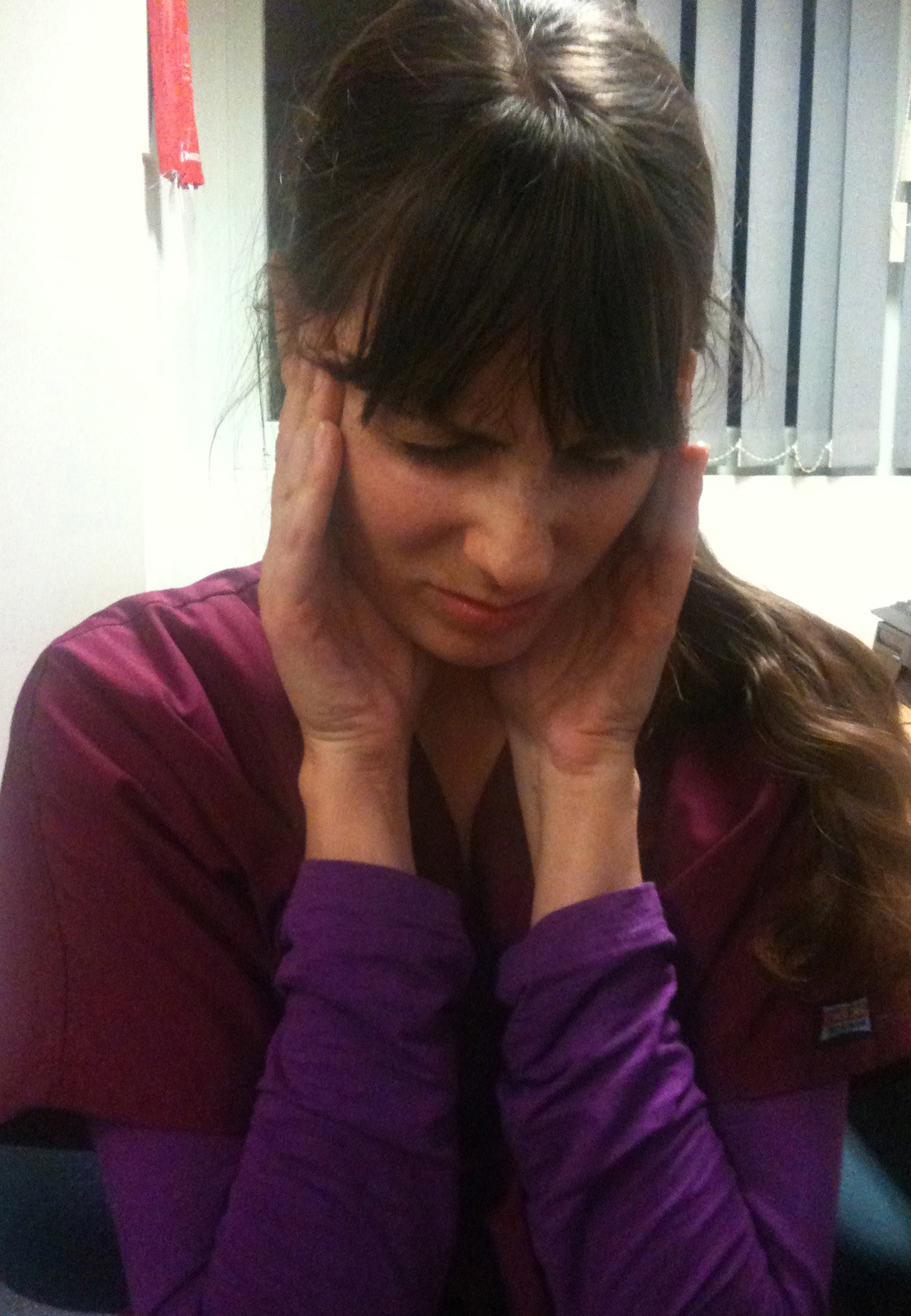
Irritability is something we all experience, but what sets it apart from other emotional states is the extent to which it pollutes the emotional atmosphere around us. Indeed, irritability is the carbon monoxide of emotional pollutants. One person’s irritable mood can release negativity and stress-inducing vibes that negatively impact the entire office, household, or classroom.
When we feel irritable we feel on edge, grumpy, cranky, and sour. Our tolerance is lower and we are much more likely to be bothered by the kinds of minor frustrations we ordinarily shrug off. Our reactions to irritants are also likely to be much more aggressive than usual, leading us to snap, bark, and chastise those around us. When the boss is irritable, word quickly spreads around the office to stay out of his or her way. When mom or dad comes home from work in an irritable state, it takes all of a few minutes for the kids to exchange knowing glances and quietly withdraw into their rooms (or put on their earphones).
Irritability is no treat for the person experiencing it, either. Our stress hormones surge into action and we enter the same fight-or-flight mentality our ancestors did when they were on bear-watch duty at the clan’s cave entrance. The slightest movement or noise can make us jump and react as if we are under attack, with nary a threat in sight.
Most people would happily snap their fingers and rid themselves of this toxic emotional state if they could. Alas, finger-snapping is not an effective treatment. But there are 7 key things you can do to bring yourself down when you’re feeling irritable or on edge.
1. Figure out the source.
The best way to reduce irritability is to figure out what’s making you irritable—and then address it. Identify when you first became irritable and consider what might have set you off. It’s important to remember that while your reactions might feel complex at the moment, the issue that triggered them might be simple.
2. Reduce caffeine and alcohol.
I once worked with a barista at a coffee house who had problems with irritability. It turns out the real problem was the hourly mochaccino breaks he was taking. Too much caffeine during the day and too much alcohol at night are frequent sources of irritability for many people. So consider cutting back.
3. It’s often the little things.
We often dismiss considering things that shouldn’t make us irritable even if they actually do. For example, a competitive person might become irritable when they lose at Words with Friends, but since they know that’s silly, they ignore the fact that their mother’s triple word score vaulted her into the lead and triggered their internal sourness. Be honest with yourself about what’s bothering you: Simply acknowledging that something is making you irritable is often enough to take the edge off.
4. Get in touch with your compassion.
Being compassionate—with yourself—can be a powerful way to calm your churning emotions. Acknowledge (in your head) that you feel really irritable—and how unpleasant it is. Then imagine getting a hug from someone who cares about you. Once you feel a little better, use your compassion to consider how it has made those around you feel, and how important it is to not take it out on them. 
5. Gain perspective.
We usually feel irritable about small-to-medium size annoyances—the kind we probably won’t remember in a few days or weeks. Take a few minutes to remind yourself of the larger picture—the things that are going well in your life and the things for which you can be grateful, such as health and employment. But if you feel too unsettled to do this kind of thinking, give the following a try. . .
6. Rid yourself of nervous energy.
Since irritability activates our fight-or-flight response sets, it might be a good idea to take a quick walk or run, or, if that’s not possible, do some quick push-ups or crunches to rid yourself of excess energy that might be fueling your irritability. Fresh air on a leisurely walk could do wonders as well. For those who cannot use exercise, the entirely opposite approach works as well. . .
7. Get quiet or alone time.
Find a quiet place to think things through, or to disengage from the commotion and activity around you. Irritability can be your mind’s way of alerting you that you need a break, so take one. Listen to music, do some stretching or yoga, meditate, or take a bubble bath. When you’re done, take a deep breath and prepare yourself to re-engage so your system isn’t shocked back into irritability once you re-enter the fray.