Showing posts with label journaling. Show all posts

Create a Pathway to Power for Navigating Transitions

Life is often bigger than your plans. When your schedule is disrupted by unanticipated events, you can always choose how you respond. So, I'd like to invite you to view these changes as special opportunities to grow and broaden your vision of life.

How do you relate to your power when you undergo change?

Remember, when you make a transition, you are transforming yourself. It is natural to feel off balance initially, so go slowly. Affirm to yourself that important learning can temporarily upset your equilibrium. Encourage yourself to proceed gently, with eyes wide open.

Learning about your unique approach to transitions helps you create a pathway of power that is both grounded and balanced.

So let's start by shining a light on what transitions and change mean to you.

Illuminate your inner landscape to find your footing.

Your transition style intimately reflects your history and hopes. You may bring creativity and initiative to upcoming transitions, especially if they are changes of your own choosing. However, your default responses may also include rigid coping patterns you developed early in life, when you may have been overwhelmed and under-informed.

It's easy to resort to old behaviors under stress. Unfortunately, reflexive actions rarely do justice to complex demands. So offer yourself a special gift -- explore those reflexes and stuck points with curiosity and compassion.

Here are two common "default dances" you might revert to when faced with big changes:

  • One is a white-knuckled grip, as you try to manage so much of what's beyond your control that you burn out.
  • The other is losing your grip and allowing yourself to be carried along by the rush of events, as if you were in a spinning kayak without a paddle.

But rest assured, there is another way. The more you assist yourself, the more you evolve. The following guidelines will help you ease the pressure and establish a realistic middle course where you exercise positive control.

Accept that transitions are challenging and disorienting.

Schedule in extra time to adjust; plan on new activities taking longer than expected. Recognize when you feel overwhelmed. Defer decisions until you regain your equilibrium, and be sure to provide yourself with ample time to decompress and debrief.

View your new situation with fresh eyes.

Use journaling and lists to clear your mind and refresh your perspective. Identify what is actually within your control, and what you must simply accommodate as best you can. Know that you may need to revise your assessment periodically. Change is a new landscape. It takes time to learn its contours.

Cultivate sensible serenity.

If your expectations of yourself are not realistic, revise them with care, creating a grounded image of a successful transition. Rather than focusing on a specific destination, envision your process of moving forward. It's wise to frame success entirely in terms of the quality of your choices, not an endpoint. This keeps the success criteria firmly within your control, and quiets the voices of self-sabotage and self-criticism.

By cultivating a supportive inner dialogue, you bring the best of what is familiar right along with you as you navigate your transitions. Enrich your self-talk with encouraging mantras, examples of prior successes and realistic questions. In this way, you grow as you go!


https://ezinearticles.com/?Create-a-Pathway-to-Power-for-Navigating-Transitions&id=10110945

Rewriting Your Life Story

While going through a high period of stress your mind and body are often geared towards responding in fight or flight mode. Due to how pressured you feel, you reach a point where you are determined to change yourself to suit the circumstances better. Even after doing so, when you see no change in the behaviour of others or the situation, you decide that the only option left is to exit the situation and begin again.

This sounds like an effective step and in many cases, it is one that works. However, your life may not always have space and opportunity for you to remove yourself from a troublesome situation for good. When this happens, how can you address your mind's monologue that has decided that everything has been tried and giving up is the only option left?

Wouldn't it be better to develop an alternative narrative where you are kinder to yourself? Here are some ways to actively change how you tell yourself and others your story:

1. Use externalising language - The issue you are facing is not who you are, it is separate from your self-worth and capabilities, it does not define you in any way. It is something that is happening to you and affecting you."When this happens to me I get (... )", "This doesn't occur often but at certain times it decides to (... )", "It is very troubling and unsettling" are some examples of externalising language.

2. Considering social and political issues at play - Is this issue something many others are also facing? Look at what factors of this day and age make it possible for this problem to have the power it does over so many people.

3. Unique outcomes - Have there been times in your life prior to this when a different issue with similar qualities or similar stressors sprung up? If yes, how did you deal with it? Were there previous times when you were able to manage an older issue better than you are managing the current one? Look at what were some of the things you did then that could help you now. Doing this will help you figure out that you probably already have the resources to handle the issue.

4. Find a support system - It is important to have friends who are familiar with how you are rewriting your story and changing your narrative. Sharing your strengths that have helped you combat older issues before can lead to instances where your friends are able to remind you of these resources in times of distress. Sharing with them your new way of talking about the issue is also relevant because it decides how others talk to you about it, how you talk about it in the future, how they offer suggestions and inquire about your well being.

5. Expressive arts (e.g. painting and dance), and journaling are activities that continue to help in externalising the issue. This way, the effects of the issue do not seep into your personality as something that you find yourself constantly thinking about. The energy put into these activities is a way to channel your thoughts creatively, to give yourself the freedom and peace of mind you need to see things objectively and with much required distance.

These activities can help you in stopping to see yourself as the key reason that leads to disaster. By doing this, you are more likely to find hope and motivation to improve those parts of your life that you find are most affected by the issues you face.


https://ezinearticles.com/?Rewriting-Your-Life-Story&id=9950407

Want to Light Up a Room?


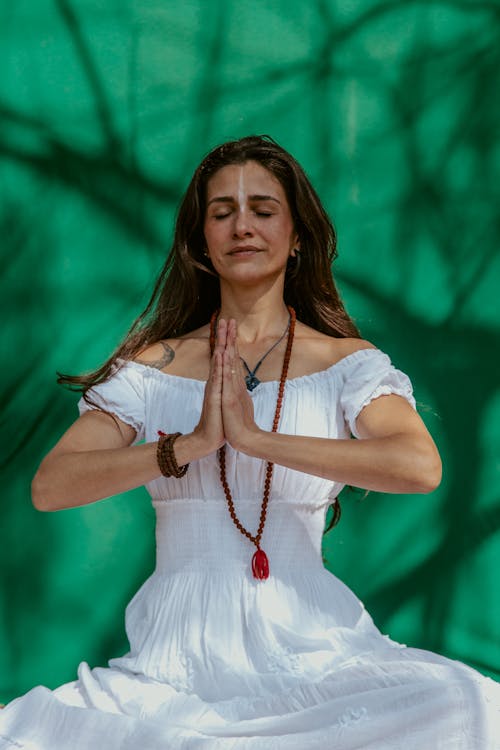
Woman Wearing White Off Shoulder Dress

Looking for the latest luminous make-up to brighten your complexion and cover up your flaws?

Need to know the current fashion trends for heading out to the meet-ups?

We love all those gorgeous websites on fashion and beauty, but right now we're going to talk about another way to light up a room. Here is a great quote to show our point:

"Beauty is a kind of radiance. People who possess a true inner beauty, their eyes are a little brighter, their skin a little more dewy. They vibrate at a different frequency."

Cameron Diaz

Want to know the secret to true inner beauty? It starts with self-awareness. It's finding out your true self - what makes you tick, what you love, what you don't love, what you're good at, what you're not so good at, your dreams, desires, habits, etc. It helps you 'rock' what makes you happy and go for what you're passionate about. And experts like Daniel Goldman, author of the best-selling books on Emotional Intelligence, say it's a foundation of success.

Anyone can easily answer questions about their likes and dislikes. "I love ice cream, movies, long walks, etc." But real self-awareness goes deeper - it's answering questions we only ask ourselves. It's not something you do once at a motivational class and then forget about. It's an ongoing practice of being quiet enough to let the answers come to you from inside. Sometimes just being alone without computers, TVs, and phones is really useful and often rare. Some ways of achieving this quietness are with practices like walking, exercise, yoga, and meditation.

There are plenty of meditations online specifically for self-awareness - just Google or YouTube the phrase. The meditation doesn't have to only be geared towards awareness though, since all meditations quiet the mind. Trying out different examples not only gives you variety, it also helps you explore the types that resonate with you - more awareness. My favorite is 'Meditate and Relax with Bob Proctor'. Here is the link:

http://www.proctorgallagherinstitute.com/tips-and-tools/meditation

This is an excerpt from that meditation, "With your inner eye, you now see a beautiful white light of energy flowing in through the crown of your head. And this beautiful white light is permeating, penetrating and filling every cell of your being... "

If this sounds too 'out there' for you, then head over to YouTube.com and watch Bob Proctor's "You Were Born Rich" audio series from years ago. He is known as America's Greatest Prosperity Teacher and has taught millions of people his wisdom for success. In that video series, he explains the science behind everything he teaches about how a person's mind works. He is as 'real' and knowledgeable as anyone you will ever find on the subject.

And last but not least, another great practice for awareness is journaling. It's basically keeping a diary of your thoughts. If you already journal at night, you can add theses simple questions to your routine. If journaling is not for you, these questions can be answered in your head before falling off to sleep. They can take as little as five minutes.

Remember the events of the day.

Think of what you are grateful for from the day. Since gratitude is becoming such a prevalent practice nowadays, this might be something you already do every night.

What two instances from the day are you proud of? Answers could be things like: I rocked that project at work; I took the stairs instead of the elevator; I was kind to that stranger in line.

What two instances from the day would you have done differently? An example might be that during a disagreement with a family member, you wished you hadn't blurted out the hurtful words. What would you have done different in that moment? Spend a few seconds playing a new scene out in your mind. Note that when you play this new scene, the other person doesn't change - only you do.

Don't let the simplicity of these questions make you think they are not effective. Once this becomes a regular nightly routine, you might not even notice right away, but you'll be growing your self-awareness - an invaluable skill for achieving your goals!

"You have to find what sparks a light in you so that you in your own way can illuminate the world."

Oprah Winfrey


http://ezinearticles.com/?Want-to-Light-Up-a-Room?&id=9641475

Why This Simple Daily Habit Will Make You Become a Better Person


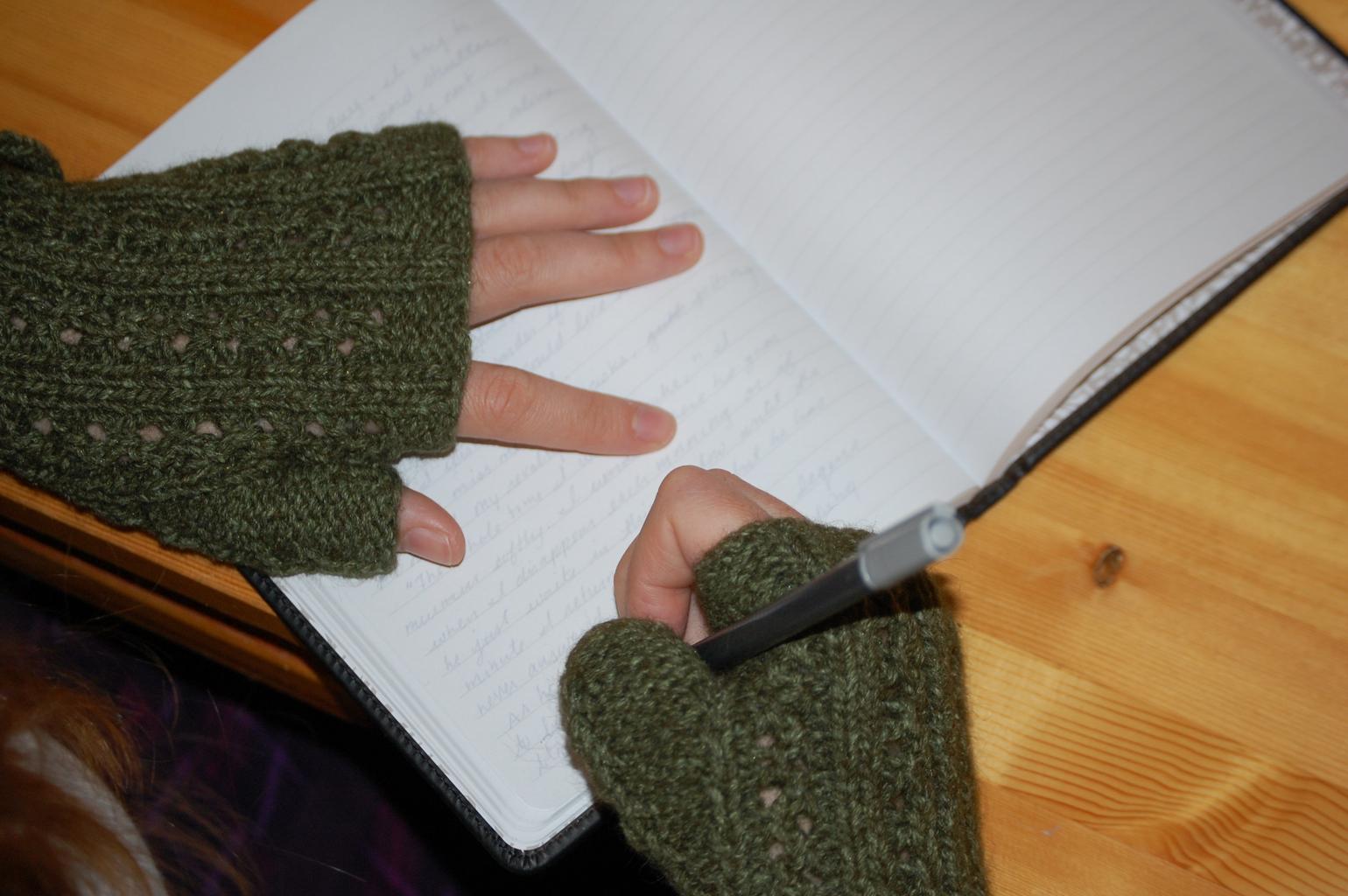
Journaling.

Yes, this simple daily habit will make you become a better person, because the simplest habits are ones that produce the greatest results.

It is the compound effect journaling offers that often goes unnoticed.

Journaling has many unexpected benefits, one of which is improved mental and emotional wellbeing.

Many people ruminate on problems that gnaw at them, sometimes for decades.

Brain scientist Jill Bolte Taylor suggests that the average lifespan of an emotion to move through the nervous system is one and a half minutes. This releases the burden of clinging to our emotional attachments longer than required.

This daily habit helps you to make peace with toxic emotions and transform them into healthy ones. Otherwise, they remain 'stuck' in your nervous system instead of moving through you.

The simple act of writing in your journal on a daily basis helps you to be mindful of the present moment, instead of being caught up in the past or future.

"All clutter and stress seem to be found on the surface, on the level of thinking and emotions," affirms Peter Francis Dziuban in: Simply Notice: Clear Awareness Is the Key To Happiness, Love and Freedom.

Mindfulness is a way to attain clarity as to what really matters. You become attuned to your emotions instead of allowing them to control you.

I recall listening to the spiritual teacher Eckhart Tolle state that anytime you are emotionally agitated for no reason, you are recollecting unresolved memories and creating a Pain body experience.

Similarly, Colette Baron Reid writes in Uncharted: The Journey Through Uncertainty to Infinite Possibility: "Memories are emotions intertwined with thoughts, and those can become lodged not just in your brain but in your body too."

Journaling is the act of making sense of those memories by transferring them onto paper, otherwise they lead to conditions such as T.M.S. (Tension Myositis Syndrome), according to Dr. John Sarno.

Repressed emotions resulting from psychological stress are stored in the body and may inhibit muscle and/or organ function if left untreated.

Writing your thoughts on paper is a form of emotional freedom. There are moments in our lives where we must bite our tongue with family, friends and co-workers for obvious reasons.

We cannot express our feelings, so we stow them away hoping they don't resurface down the road. This is the psychological pain point many people experience later in life.

The key is to allow your emotions to move through you using a method Dr. Daniel Siegel outlines in his book Mindsight. He suggests you name and tame the emotions you experience rather than be overwhelmed by them.

Journaling helps identify the troubling emotions by writing them as "I feel angry" instead of "I am angry." The latter is a limited self-definition since, "I feel angry" implies the ability to acknowledge a feeling, without being overwhelmed by it.

"Just by bringing greater attention to the part of your body where strong emotions or physical pain linger, you are loosening each layer of cellular memory to assist in another moment of healing," affirms Matt Kahn.

I suggest exploring your thoughts on paper as the last thing at night after a complete day. In Zen teaching, meditation is thought to help wipe away the day's stressors by witnessing our thoughts through the eyes of equanimity.

Journaling purges you of mental stressors. It is the process of becoming intimate with your thoughts instead of allowing them to occupy space in your mind.

You become attentive to your mental landscape instead of letting runaway thoughts impose on your freedom.

This simple daily habit will make you become a better person, because you are aware of your thoughts and won't be overcome by them.

Committing your thoughts to paper invites you to calmly witness them with a clear awareness rather than an agitated mind.

Tibetan meditation master Orgyen Chowang explains in Our Pristine Mind: A Practical Guide to Unconditional Happiness: "You must first relax the mind and then observe it with patience and perseverance. It is that simple."

Journaling is the act of coming home to yourself and loving the person whose thoughts appear on the page.

What we see and perceive in our waking life results from the mind adding judgement and commentary, like morning fog.

Writing your thoughts downloads them onto paper and liberates you of the need to process them any more than you need to


http://ezinearticles.com/?Why-This-Simple-Daily-Habit-Will-Make-You-Become-a-Better-Person&id=9764661