Showing posts with label abusive relationships. Show all posts

Bullying and Toxic Relationships

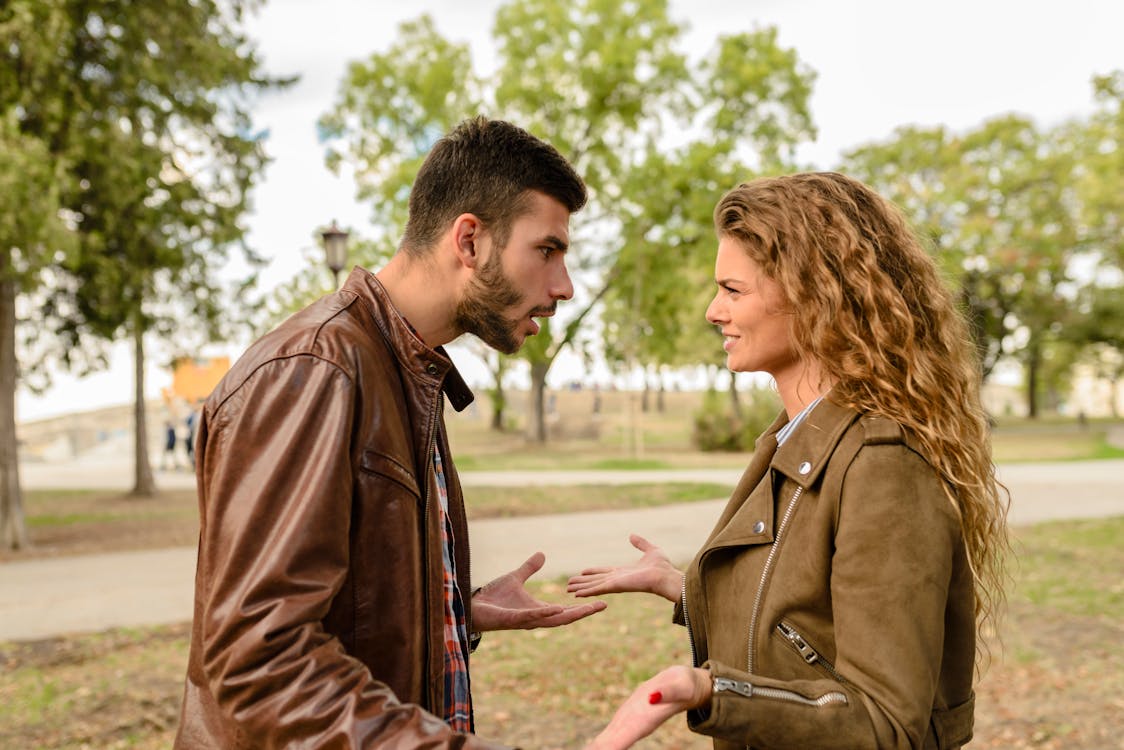
Man And Woman Wearing Brown Leather Jackets

Do any of the following situations sound familiar to you?

Your friend, coworker, or partner uses threats of violence to manipulate your behavior.

Your friend, coworker, or partner constantly belittles you and your choices, insists that your decisions are wrong, or uses other emotional tactics to influence your actions.

You have a friend who constantly gets her way, who makes all of the decisions, and refuses to participate if her demands are not met.

Someone only calls you when she is in need of something: a favor, money, etc.No matter how many times you help her or what you have given her, she never reciprocates.

You find yourself reacting to demands by engaging in passive-aggressive behavior, going along with the other person despite not wanting to do so, because it is easier than the confrontation which would ensue if you stood up for yourself.

Dealing with this person leaves you feeling drained, physically and emotionally, and doubting your own self-worth.

If you identify with any of the scenarios listed above, you may be part of a toxic relationship.

Is Your Relationship Toxic?

A toxic relationship is one in which one partner controls the other via physical, mental, or emotional manipulation. Instead of exhibiting the equality, caring, and mutual self-respect of a healthy relationship, these dysfunctional relationships are characterized by an imbalance of power in which one partner uses a variety of methods to insure that her needs are always met, often at the detriment of the other.

When one speaks of abusive relationships, many immediately think of romantic partnerships. While this is certainly a problem in modern society, toxic relationships are not limited to those who are romantically entwined. They also include friendships and working relationships. Any situation in which one individual abuses the bonds with others has the potential to be toxic.

As illustrated by the situations listed above, there are a number of characteristics which are common in a toxic relationship. While not all of these symptoms need be present, many will be.

One partner is in control of the relationship. She decides where they will go, when they will get there, and what they will do upon arrival.

This individual makes sure that her demands are met using a number of techniques ranging from physical abuse and the threat of physical abuse to verbal bullying, from mental and emotional manipulation.

The individual not in control feels powerless to confront or contradict the one in power. She will acquiesce to the demands of her friend, despite a lack of interest in the proposed activity.

The relationship is a "One Way Street," with the person in control receiving all of the benefits of the relationship.

The powerless individual may find herself acting out in uncharacteristic ways as a result of feelings of helplessness and lack of control. She may participate in activities in a minimal way, performing poorly because her heart is not in it. She may agree to activities, but then complain throughout the time together in an unconscious attempt to shorten the activity. She may engage in passive-aggressive behavior in an attempt to make the person in control uncomfortable.

Interactions of this sort often leave the powerless partner feeling emotionally and physically drained. During the activity there may be a component of fear as she tries to avoid angering the person in control. Fear of retribution, once it has dissipated, leaves one exhausted.

The Toxic Friend - Recognizing Bullying

The most obvious type of bullying, the one which is most identifiable, is one which carries with it the implied or overt threat of physical violence. This has become a well-recognized topic, often associated with romantic relationships as well as other interactions. Physical bullying, however, is by no means limited to these areas.There are many instances of friendships which carry with them the threat of violence.

It is important to note, however, that there are other, more subtle, types of bullying. These may be more prevalent in friendships which meet the definition of a toxic relationship. As with romantic relationships, bullying in a toxic friendship can, and often does, include an element of emotional manipulation. The techniques of mental and emotional manipulation can vary widely.

There is the friend who belittles someone, constantly pointing out her flaws and shortcomings, be they physical, emotional, or a lack of other companions. This person makes her friends feel like she is doing them a favor by participating in activities with them. Without the bully, they insist, you would have no one. "Your choice is to be with me or be alone."


There is the friend who guilts others into being with her and doing what she wants to do. She may insist that "We always do what you want to do."Even though this is not correct, it implies a give and take which does not exist. It is easy to fall into the trap of thinking "If we do what she wants to do this time, we can do something I want to do next time." Unfortunately, there is no "next time" that fulfills this wish.

There is the friend who may acquiesce to other's wishes, only to make their lives miserable. She may allow someone else to choose the restaurant, but will complain about the service, the food, the atmosphere, the parking, the other diners, and anything else which comes to mind. One learns quickly that there is no point in trying to do anything other than what she wants to do. Anything else will simply be a miserable experience.

Why are these toxic individuals the way they are? Why are they self-centered, unreliable, and manipulative? It should come as no surprise that there are a number of answers to this question as well. Bear in mind that the following descriptions do not seek to excuse toxic behavior, only explain it.

Some individuals are reacting to stressors in their own lives. When one feels out of control in one aspect of life, due to other relationships, occupational demands, poor physical health, or any one of a number of other reasons, she may seek to exert control in another aspect of her life. This may be a temporary solution to a personal feeling of powerless and could be easily redressed.

Others may show the lack of empathy and awareness of others that are traits of true sociopathy. There is no changing these individuals. In fact, any attempt to do so may result in an escalation of toxic behavior.

Finally, there are those who bully, manipulate, and engage in other negative behavior for the simple reason that they have learned that these actions are rewarding. If they push hard enough, they will get what they want. Why bother to enter into a reciprocal exchange when one can act in such a way that they achieve their goals without having to give anything up?

Does It Take Two To Tango?

Those who are on the receiving end of this type of toxic behavior may end each interaction with their bullying friend with the same question: Why do I put up with this?

Low self-esteem may be part of the answer. If one is told throughout her life that she does not deserve good things, it is only natural that she will come to internalize this idea. The toxic bully reinforces this self-image with every interaction. The first thing that you must realize is that no one deserves to be treated poorly.

In one sense, being part of a toxic relationship is actually easy. There is no need to plan for oneself when you know someone else is going to tell you what to do. The rules of the relationship are spelled out quite clearly. You do what the other person says and you avoid negative consequences.
What else is there? If one has been constantly manipulated, whether it is physically or emotionally, one comes to question the reality of any other kind of relationship. If you convince yourself that there is some aspect of bullying and manipulation in every relationship, it becomes easy to convince yourself that there is no reason to look for a different friendship. You are already familiar with the devil you know, after all.

Stop The Music

If you found yourself nodding as you read the previous section, there are some important things which you must know. First off, none of the negative things which you have endured are your fault. The bully is to blame, not you. Secondly, there are different types of friendships out there. It is possible to bond with people because of mutual shared interests. There are people who will engage in mutually beneficial relationships. There are people who will want to be with you because of who you are, not because of what you can do for them. Finally, and most importantly, you deserve better treatment. This may mean confronting the other half of your current toxic friendship or looking for new relationships.

There are a number of different tactics for dealing with bullying behavior and changing toxic relationships into healthy ones. Before we address those, we should reinforce two ideas.

Know that you deserve better. This is the key to any potential change. Everything discussed below hinges upon the knowledge that you are worth more than you have been getting.

Bullying, physical abuse, emotional manipulation, and other aspects of toxic relationships are unacceptable behaviors. These are things which the bully does and they are not OK.

If you are ready for a better relationship, there are some things which you may want to try:

The simplest answer but potentially the most difficult is to end the relationship altogether. This means not receiving phone calls, not answering texts, ignoring any of the manipulative behavior which will restart the cycle of toxicity. It seems like an easy fix, but when one has invested time and energy into a friendship, even one which is not beneficial to one's own well-being, it can be difficult to end. This is even more difficult if the relationship has an element of physical abuse. If this is the case, make sure that you are safe and there is no chance of physical repercussion. This may involve outside assistance from family, other friends, or the authorities. There are many programs and shelters which may also provide assistance. Above all, be careful and act in such a way to protect yourself.

If you do not wish to end the relationship, it will be necessary to address the bully. Point out the behaviors that are unacceptable. Again, if there is an aspect of physical abuse, take extreme care when doing so. It is likely that the other person will become agitated, angry, or upset during this conversation. Remain firm in your stance that the toxic behavior will not be tolerated. It is also important to remain calm during this discussion. The conversation may start to escalate into an argument. Do not engage the bully in name calling, threats, or similar behavior. Simply reiterate what needs to change and why.

It is extremely important to not back-slide. If, after a few weeks of better behavior, the old methods of manipulation begin to creep up again, point them out in a calm, non-aggressive manner. Restate that these are the actions which will not be tolerated.

Regardless of how you choose to deal with the toxic person in your life, it is beneficial to find other friends with whom you can relate to. Not only will these people provide companionship should the toxic friend exit the picture, they will also provide examples of how a friendship should work. Moreover, they will reinforce the idea that you can be part of a healthy relationship and deserve to have good friends.


http://ezinearticles.com/?Bullying-and-Toxic-Relationships&id=9691842

Finding Happiness Is Easy (By Debra Burhite)


This article is about finding happiness. Searching for happiness is a hard thing to do nowadays. So much going on in this world of the negative nature it is hard to find the contentment and peace of mind we all crave. Every person in this world wants it but sometime it is so elusive it is hard to find and keep.

I was one of those people craving it but not finding it since I lived most of my life in abusive relationships. Living in negativity it is hard to find happiness until you let that negative person, place or thing out of your life for good. I had an abusive adopted mom and was married to an abusive husband. I was following their path of destruction. This was not the type of abuse that most people think not physical abuse but was emotional and mental abuse which drags you down until you feel like nothing. Physical abuse can be seen and felt quickly the emotional or mental abuse can drag on for years bringing you down farther and farther everyday into the abyss.

I had no self-esteem anymore. I did not feel worthy of even living the life I wanted. They made me feel like I did not matter and my life was of a slave to their every whim. I lived the life they wanted which brought me down even further into the darkness. I had no choice I was stuck and miserable. Everyday was a chore just to get out of bed to even survive. I started to develop illnesses and this whole ordeal was affecting my health. I knew I had to do something or I would die within their grasp. It took me years but finally got out of both relationships. I divorced myself from both relationships. I had it out verbally with them both at first and went complete no contact with them from then on.

I prayed for love, happiness and peace everyday. My life after leaving them was lonely and I felt so isolated from family but later I felt good about me and what I had done. I just knew it was the right thing for me plus my health improved too. I realized I did not need either one of them. I did not need anyone that treated me badly and did not respect my feelings or wants. I finally got my freedom to be who I wanted and do what I wanted too. It was so freeing. I felt alive again.

My challenge now was to find the happiness I have craved for so many years. I made some mistakes like thinking I needed a man to love me and to make me happy. I dated and all I would find was losers. When I gave up I realized being single was not all that bad, kinda love it actually. I found that happiness was within you not outside of you. I found the love for myself. I even found the peace and contentment that I never had before. It took me a few years to find the love, happiness and peace that I had prayed for. I had a plan to find these things and was determined to see them through.

First off I stopped dating and searching to find a man to satisfy me. A man can not make me happy I had to find that by myself first before I could find happiness with someone else.

Second I started taking care of me and my health. Doing the right things to get me healthy. Taking time out just for me. I had lots of "me" time. This was finding love for myself.

Third I got rid of all the negative people and surrounded myself with the positive ones. I had to move again to new location to find new friends and they became my new family. This was getting rid of the negative in my life.

Fourth I smiled a lot even tho I did not want to. I did it even on my painful days I smiled and tried to make my days better. This was very hard to do for me.

Fifth I started doing activities for my building something I wanted to do. I do not get paid money but the payment I do get is kindness and appreciation for what I do. I do feel like I am giving back to others by doing this for them. This is finding the vocation you love and doing it.

Sixth I meditated and prayed a lot. This helped me to find peace of mind.

Seventh I was grateful for what I had not what I did not have. This made me content and appreciated what I did have. After doing all seven of these for years I have finally found the love for myself, the peace of mind and the happiness I have craved so much. Happiness is possible If I can find it so can you.

Here are 47 pointers on finding happiness:
1. Rise early and Shine embrace the morning
2. Less is more, be mindful of stress
3. Pace yourself, do what you can but do not overdo
4. Be patient, patience is a virtue
5. Reach out to your inner being and be compassionate
6. Search for your true passion and stick to it
7. Exercise regularly
8. Healthy food mean happy life
9. Relax and meditate
10. Be organized in your own way
11. Be positive, do not fall let yourself fall into a pit of desperation
12. Make your finances simpler
13. Simpler life is a happier one
14. Consider what you have and accept it
15. See the picture of the perfect life
16. Have long-term goals in your mind
17. Think about your mission in this life
18 Consider what big task you have in this week or for the day
19. Stay focused
20. The journey is half the fun, remember to enjoy it
21.Follow your own personal morning and evening routine
22. Have deep, meaningful and profound relationships
23. Pay your debts
24.Remember to enjoy the little pleasure in your life
25. Have an empty inbox and a clean desk
26. Have an emergency fund
27. Write in a journal on a daily basis
28. Rely on the people around you
29. Extend your knowledge by reading, read to others
30. Take care of what kind of information you internalize
31. Do not forget to relax
32. Your life is happening now not yesterday not tomorrow
33. Build yourself a fort of equanimity
34. Take time to bond with your family and love ones
35. Be your own hero
36. Stop comparing yourself to others
37. Keep in mind benefits are important not difficulties
38. Don't forget about romance
39. Pick your battle and learn how to lose
40. Enter the flow
41. Frugality is the answer
42. Small and Slow but efficient
43. Find a way to deal with detractors
44. Spend your time outdoors
45. Stop and enjoy the little things
46. Get lazy sometimes
47. Offer your help to those in need

Try to do all of these points and I am sure you will find the love, happiness and peace you crave for.


http://ezinearticles.com/?Finding-Happiness-Is-Easy&id=9647214

The 7 Critical Steps an Abused Woman Needs to Take in the Journey Towards Empowerment


What new thoughts does a woman living in an abusive relationship need to embrace to start feeling empowered in her life?

Unless women in abusive relationships get clear about the beliefs that program their thoughts and actions, they will not be aware of why they do things or the way they do things when they do them - they thus continue to find themselves stuck and remain in abusive, intolerable situations for longer than is necessary.

We are talking about a shift in paradigms.

Paradigms are thought patterns and beliefs that guide HOW WE THINK, BEHAVE AND ACT.

Here are 7 paradigm shifts that a woman living in an abusive, toxic relationship needs to make in order to feel a sense of empowerment in her life.

1) Let Go of Drama: Abusive relationships can be filled with lots of acting out, drama and noise. It is thus easy to get stuck in a position of always reacting and being sucked into the noxious behaviour of others.

Empowered women focus on staying centered. They put their energies into determining how they think, feel and act and thus do not get drawn into someone else's bad behaviour.

2) Define Your Own Beliefs and Values: Women who live in abusive relationships not only struggle with a sense of who they are and what's important to them, they struggle with issues around entitlement and the idea of embracing that they not only need to have their own beliefs and values, but that they have a right to live by them.

Empowered women not only take the time to think through what is important to them, they know that they are entitled, and have a right to have their own beliefs and values, and make every effort to live by them.

3) Let Go of Co-dependency: Women living in abusive relationships tend to put their focus on what the other person is thinking, doing and feeling, rather than defining themselves and their own needs. Their sense of self is often defined by the other person in the relationship and is located outside of themselves. They thus look to the other person in the relationship to enhance their self-esteem and self-worth, so that they can feel more positive about themselves.

Empowered women prioritize their own needs and know that this is not being selfish but that it is vital and necessary to their well-being. They understand that their self-esteem and sense of self-worth is located within them and not outside of them. They thus take responsibility for their own feelings, behaviour and actions.

4) Develop Reality-based Relationships: Women in abusive relationships often find themselves living in relationships based on hope and have difficulty acknowledging the reality of their situation. This allows them to continuously minimize poor behaviour and propel into a future of fantasy wishful thinking which is not grounded in present reality.

Empowered women pay attention to their partner's actions and behaviours and call them on it; they don't just focus on listening to their words, they pay attention to their behaviour and look for congruency. They stay grounded in the present and the here and now.

5) Learn and Understand Child Development. Women in abusive relationships are often unaware of the impact that aggressive, hostile behaviour can have on the developing minds of their children. Research in the area of child development tends to reinforce that the early years continue to be of prime importance.

Empowered women take the time to learn and understand more about their child's growth and development. They understand that Children are like sponges and soak up what they see and hear. They know that a continuous hostile and unhealthy environment is detrimental to a child's ability to learn and grow in a healthy way.

6) Take Responsibility for Their Personal Safety: Women living in abusive relationships can tend to lack an awareness of just how important their role as primary caregiver is to their children; thus they can minimize the impact and fear that their children experience when they witness and hear the person they depend on being mistreated.

Empowered women take action and take control of their personal safety as best they can, thereby relieving their children of this burden and responsibility; in so doing they reduce their children's potential for hyper-vigilance, fear and anxiety.

7) Understand the Importance of Role Modeling: Women in abusive relationships are inclined to minimize and can even dismiss the importance of the impact of what their children see and hear in terms of how genders relate to each other. They tend to unrealistically think that their love can overcome the negative effects of aggressive bad behaviour.

Empowered women understand that parents are teachers, and are thus responsible for modeling appropriate and respectful behaviours to their children, in order for them to grow up to be responsible, law-abiding people with good social skills. They understand that much of this modeling is done within the context of family life.

EMPOWERMENT means TAKING ACTION ON one's OWN BEHALF and rather than being acted UPON.

The simple act of changing her way of thinking in terms of how she views herself and her situation, can be the most important paradigm shift that a woman living in an abusive or toxic relationship can take in her journey towards EMPOWERMENT.

http://ezinearticles.com/?The-7-Critical-Steps-an-Abused-Woman-Needs-to-Take-in-the-Journey-Towards-Empowerment&id=9312293