Showing posts with label self-discipline. Show all posts

Learn How to Cultivate Self-Discipline As a Success Mindset

Do you understand the connection between what you think and the success you experience, or do not experience, in your job or career? If you could learn to discipline your thoughts towards an attitude of success, do you believe it is possible you could in turn become successful?

There is a well-known phrase that talks about the importance of working smarter and while there are many interpretations of what it can mean, overall it is meant to emphasize the benefits of being focused, disciplined, and working hard. Hard work is the backbone of any career but over time, and when routine work habits are established and set in, the effort that a person exerts may become conditionally based. It could be due to a person's perception of a "bad" boss, poor working conditions, not receiving a pay increase or recognition for their effort, and the list continues. While there may certainly be merit to these feelings, it serves no real purpose to make working hard a conditional characteristic of your job performance.

If you care about your career development then working hard needs to be a top priority every day. However, hard work may seem unjustified if a person's expectations are not being met and that is where self-discipline comes into play. It is a matter of always being in control of your performance and responsible for the quality of your work. It also involves making a commitment to yourself and your career, one that is not dependent upon circumstances or influenced by circumstance no matter how challenging it may seem at the time. This will allow you to become disciplined and know that your best performance depends upon consistent effort, which establishes a mindset of career success.

Why Self-Discipline Matters

The development of a disciplined mindset allows you and your job performance to shine; whereas, the lack of intentional discipline sets you up for failure. Self-discipline is based upon a logical and rational perspective, is focused on being in control, and prompts the use of productive work habits. It is proactive with regards to job duties and career development, and it requires concentrated effort rather than striving to achieve absolute perfection.

Without self-discipline a person is more likely to be impulsive and unfocused, act based upon emotional responses, and be reactive to circumstances. It is easy to begin to work on becoming self-disciplined, whether or not it is a habit now, if you start by establishing an intention and make it a goal to perform your best at all times. It does not require prolonged struggle, only career goals. You can make choices based upon what is best for your job and/or career. Self-discipline involves maintaining control over your attitude, mindset, emotions, and thoughts at all times.

Discipline and Doing Your Best

Your job has a specific description, or at least an expectation of what it is you are supposed to accomplish. Over time, and as you become familiar with the daily tasks, you can determine what the minimum amount of effort is needed to complete the required duties and that may be enough for you to feel good when the workday ends. Then there are circumstances that influence the amount of effort you put in. There may be too much work, an upcoming deadline, or person in authority who is pressuring you to take on more work. You may willingly or grudgingly do more as requested; however, when you stop to consider this job do you realize it is your career at stake?

The attitude you develop about your job will also influence the attitude you have about your career development and progress. If your job performance involves putting in the minimal effort it is usually accompanied by feelings of job dissatisfaction and that may create a negative mindset about your career. It means you view your effort from the perspective of what you get from the job rather than what you can gain from it in the long term. When you are disciplined you maintain behaviors and an attitude that bolsters your daily productivity, which also provides you with the confidence needed to excel even when circumstances are less than perfect.

Learn to Develop Purposeful Intent

How do you feel good about a job and maintain that attitude, even when circumstances cause you to dislike it? You cannot force yourself to feel positive emotions when there are events or people who prompt negativity or feelings of frustration. What you can do is to change your perspective and that is where self-discipline matters. You can decide that you are going to feel good about yourself as a professional or as an employee despite the current conditions and anchor it to a position statement that is focused on your career goals. This allows you to create a disciplined mindset with purposeful intent and focus.

Your career is a series of steps and progress will occur over time and for some it will be accomplished through more than one position or job. At the heart of this is you as a person, and it is you who has an ability to learn and grow. With purposeful intent you can view each job as a stepping stone, which provides skills, knowledge, and direction. If one job does not meet your expectations or provides difficult conditions to work in, itemize what you have gained from it, list this information on your resume, and decide upon your next step. But no matter what, always make certain you have a disciplined focus or you will venture off course in your job and career plans.

Consider How an Employer Views Your Disposition

Consider for a moment that you are a hiring manager. What is the type of candidate you would consider hiring, if you were looking at more than the job description? Is it someone whose tone displays obvious frustration and does not seem to have much to say that is positive about their current employer or existing job? That is not a likely candidate for an employer based upon their attitude alone.

Now consider a candidate who comes along and has a professional presence, demonstrates a clear understanding of their career path or goals, and can articulate what they have gained from each of the jobs they've held throughout their career. That is a candidate who will likely gain your interest, even if they are not considered for the position, because they have demonstrated a disciplined mindset.

The point of reviewing these scenarios is to show the contrast between someone who possesses an underlying feeling of career helplessness or career control, which also demonstrates the difference between a disciplined and undisciplined mindset. If would like to be the candidate who is likely to get hired, establish a goal to be highly disciplined and productive.

Your disposition will carry over into the tone you convey when you speak with potential employers, along with your overall attitude about career development. As a professional resume writer I can spot a person's disposition through their choice of words and how they describe their jobs when I talk to them. Someone who is disciplined and views all jobs as a learning experience has self-confidence about who they are and the talents they possess, regardless of job conditions or circumstances.


How to Develop Self-Discipline and Focus

Career Planning: You can begin to develop a hard-working, self-disciplined mindset right now by first examining your career plans. If you cannot articulate the specifics of your career, now is the time to get started. At the very least, decide upon a short-term and a long-term career goal. This will give you a sense of direction, one that can help you find what can be learned instead of focusing on existing working conditions.

The purpose of developing a career plan is to provide you with an ability to create purposeful intent. When you walk into the workplace each day you can remind yourself you are able to learn from any situation, even if what you learn is that you are no longer growing or moving forward in your career.

Learning and Growth: An important component of a disciplined mindset is maximizing your learning and growth potential. If you have developed a productive working relationship with your supervisor or manager, ask them if there is more that you can do. For example, perhaps you can take on an extra project that is based upon a departmental or business need. To some people this may seem to be counter-intuitive and an attempt to become the "teacher's pet" - or some other type of negative phrasing.

If you are asking from a perspective of having a genuine interest and seeking professional development, and the need is recognized, this will create a feeling of accomplishment within you. As you continue to work hard you may even extend the timeline that you work for this particular employer. You will also likely be viewed as valuable employee, although the ability to remain disciplined will matter most in the long term for your career.

Self-Discipline as a Success Mindset

Becoming disciplined can have a variety of descriptions, including working hard, attaining maximum productivity, or maintaining a focus on what must be accomplished every day. The most meaningful correlation between a focused mindset and effort is the development of peak performance. This working definition speaks to the heart of what working to the very best of your abilities should mean. It is striving to maximize your performance with your current skills and abilities while being open to learning and development, and putting in more than the minimum effort required.

There are going to be times when you aren't at the top of your game and that is certainly understandable. There will be some days that you find yourself working to the very best of your abilities and other days that find you putting in the best effort possible. The importance of being disciplined means that you do not allow job conditions be the reason why you are not functioning at peak productivity; whether there are new policies to adapt to, additional demands made of your job, or other circumstances.

You can always be in control of your actions and strive for peak performance as a matter of your career development. Learn to develop self-discipline as a mindset and attitude about how you work every day and watch your career continue to evolve as this sense of self is reflected in the outcomes you experience, both personally and professionally. The most effective way to be in control of your career and establish a pattern of success is to control how you think and how you work. Self-discipline is a productive state of mind and focused attitude that you can implement starting now. When your attitude is honed on performing your best, you will find yourself mentally resistant to adverse conditions and ready for new career opportunities. You are mentally disciplined and both you and your career are transformed.


https://ezinearticles.com/?Learn-How-to-Cultivate-Self-Discipline-As-a-Success-Mindset&id=10134381

Steps to Develop More Discipline


At some point in life, every person will feel the effects of a lack of self-discipline. It is a challenging goal to conquer, but anyone can develop more discipline. There will be set-backs along the way, but establishing good self-discipline is an important step for your personal development.

1. You are human

Don't forget that you are a human being. You will make mistakes, it is only natural. People start learning by trial and error in infancy-adult learning is often no different. The goal here is to learn from your mistakes and not keep repeating the same error time and time again. If you mess up one day, don't give up and don't beat yourself up. Just start fresh the next day.

2. Set attainable goals

Nothing kills a plan faster feeling like it's impossible to get anywhere. It's not conducive to your personal development to set the bar too high at first. If you currently don't exercise at all, a goal of walking three times a week is a nice, attainable goal. You are not going to go from being sedentary to running marathons overnight. Remember to keep your goals in check with your abilities. If you set the bar too high at first, you will burn out and give up. Set yourself up for success by keeping your goals within your abilities.

3. Reward yourself

When you reach a goal, go ahead and reward yourself. If you walk three times this week, allow yourself to splurge on a night out with friends. When goal achievement goes unrewarded, we have a tendency to stop moving forward. Everybody needs to feel like they got a "win" sometimes. When you attain a goal, reward yourself. You are worth it.

4. Use your time effectively

Time is a precious commodity-treat it as such. When you get wrapped up in a task, you sacrifice time elsewhere. Creating a schedule for your day can help to eliminate situations where you feel like you worked all day, yet accomplished nothing.

5. Schedule fun time

Often we get so wrapped up in everything we have to do that we forget about doing what we want to do. The stress of everyday life can feel crushing some days. It is so important to schedule time in your day for something you enjoy. Without this release, you are setting yourself up to burn out. Burn out can kill any self-discipline progress you have made. Scheduling a few minutes each day for enjoyable activities is not only fun, it's essential to your mental health.

With these simple steps even the most disorganized person can achieve some self-discipline. Take charge of your life today!


When Times Are Hard, How Do You Help Yourself? Here Are Some Ideas For You


Photography of Man in White Shirt With Round Black Analog Watch

When times are hard, it's easy to think that things will never change.

Life grinds to a halt.

Everything feels more difficult, and the everyday necessities of life may often feel like impossible tasks to accomplish.

Maybe it's a friend who is going through a difficult transition. Or maybe you or a family member have received bad news.

Whatever the specifics, when times are hard you are challenged on many fronts and tend to feel jarred and jostled off track.

What do you do when times are hard?
Hard times affect your energy, your feelings, and they also affect both the choices you make about your time ADN how you feel about time, in general.

What if you're feeling the pinch, economically? Maybe you lost your job, or business is slow. Economic constraints affect the range of time choices that feel available or accessible to you. Things like vacations, new educational pursuits, or new appliances may not even make it to your consciousness.

Instead, you pull back and pull in.

And what about feelings?
When times are hard, it's easy to allow worries to gnaw at you. This is a big, and very challenging time trap. Not only does it rob you of precious time, but it also saps your energy and creativity right when you need them most.

So, a key time choice is to recognize the debilitating effect of this and use self-talk, time boundaries, and self-discipline to turn your mind away from nagging anxieties.

Consider replacing worry-time with self-care time. Plugging in a positive where a negative had taken root shifts your energy and will do you a world of good.

Or, try picturing your worries as weeds that sprout up in hard times. Next, make a conscious choice to uproot worries by slowing down and focusing on ways to simplify and declutter your life.

Whenever you do this, you alter your experience of time. That's because simplification expands and deepens your experience of your moments, much as silence and stillness do. And in that expansive place, needless worries lose their power.

Gratitude, no matter what...
Finally, whatever challenges life brings your way, an attitude of gratitude will carry you through. Know that you have the capacity to pause in ANY moment and think of something for which you feel genuinely grateful. I guarantee that your energy and your moment will be transformed whenever you make that choice for yourself.

So, are you or a loved one facing hard times right now? Step back for a moment and consider: How does this affect your time and your self-care choices?

Would you like to be able to approach this differently?


http://ezinearticles.com/?When-Times-Are-Hard,-How-Do-You-Help-Yourself?-Here-Are-Some-Ideas-For-You&id=9918860

You Can Change Your Life For The Better And Experience Thrilling Personal Transformation

Woman Throwing Pink Petals

How to begin making positive change in your life is in both your willingness and readiness to do so. You can end up begin changing your life for the better if you are not as productive as you 'd tend or you like to procrastinate.

Positive change in your life lies in making the activities you put off more intriguing, simpler, and less unpleasant.

One way to make a task simpler for how to begin making life changes is to break it into smaller tasks. If your task for today is to submit your tax return, you might view it as being time consuming and laborious.

If you break it into smaller sized categories such as collect records, download tax software application, and prepare a rough draft, the tasks don't seem as difficult and you are likely to finish them in considerably less time.

Some other methods to make those unwanted jobs appear more manageable are to prioritize, use self-discipline, and reward yourself for little achievements...

Try to do the least desirable jobs early in the day so you'll anticipate having the rest of the day to concentrate on more enjoyable tasks.

Bear in mind that self-discipline for how to begin making life changes is something you do for yourself, not to penalize yourself.

Do not forget to reward yourself for each step you take in overcoming procrastination.

If you get low on yourself or lack encouragement try positive affirmations.

Always keep in mind that your true free will has Spirit behind you and is an inner Guidance system you may call your own.

The Course in Miracles states, "The journey that we undertake together is the exchange of dark for light, of ignorance for understanding."

When you say, I want to change my life, realize that favorable positive outlook goes a long way in changing negative behaviors.

Course in Miracles often reminds us that, "the quiet Light within you is perfect Oneness showing you the way."

Here are a few more ideas regarding how to begin making positive change in your life and quit procrastinating:

1. If you break them into a number of steps over a few days or weeks, tasks will seem less daunting. Don't anticipate yourself to do whatever simultaneously.

2. As soon as you give up putting things off, you'll have more time to return to each specific task. Enabling yourself sufficient time to finish a job will offer you more time for corrections later on.

3. Find a helpful co-worker or friend to help inspire you to get moving.

4. When your energy is low, don't set up too many essential tasks at a particular time.

5. Reward yourself for reaching critical points in your least favorite tasks. Having something to eagerly anticipate is a fantastic incentive.

6. Put the most uphill struggles at the top of your list and work from there.

7. All times of day are not equal.

When you are at your finest previously in the day if you are a morning person, Deal with the most challenging jobs.

When you a change in life be sure to take care of the most necessary activities for the time when your energy is at its highest.

When you are at your least energetic performance level, conserve the little tasks that require little brain activity for the time of day.

You can change your life by being upbeat and geared toward success even in the little things you must do, you will see an enhancement in your time management and motivational skills.

How to begin making life changes means addressing objectives and goals into smaller pieces so they will seem more easily reachable.

Get organized and prioritize your activities from most crucial to least crucial.

Getting rid of the harder tasks will leave you feeling good about your work and encourage you to continue.

Keep focused on finishing a project or attaining a goal rather of focusing on how difficult it will be to break your old habits.

Having a light at the end of the tunnel will make your efforts appear rewarding and the reward waiting on you will keep you motivated to attain your objectives.

Procrastination is ineffective and can even be hazardous to your objective of positive change in your life if you allow it to control you.

How to begin making life changes means stop placing blame or making excuses making reasons, and arrange your goals and objectives, seeing your dreams as achievable.

This is how to begin making life changes and being thrilled with your personal transformation!

Try to keep in mind as you move along to change your life for the better, that goals and objectives still needing to reached will seem less daunting if you break them into several steps over a time frame comfortable for you.

To your personal transformation!


http://ezinearticles.com/?You-Can-Change-Your-Life-For-The-Better-And-Experience-Thrilling-Personal-Transformation&id=9845059

Always Do Your Best In Everything


"Always do your best in everything you undertake." said my grandfather countless times while I was growing up. And although in theory, it sounds pretty simple, in reality, most of us are not giving our all in the things we do. Yet, real success comes only from pushing ourselves to do the best we can.
How many times have you heard this phrase from people around you? But what does it mean to do your best? And how can you push yourself to do your hardest?

You must always do your best in everything that you take on since what you are planting now; you will harvest in the future. But first, you have to define your goals, work on having an efficient self-discipline, handling setbacks and also overcoming them.

I know that you heard people say before that they did their best after they failed at an attempt to do something. Yet, if you do not learn from it, move on and try again, you will stagnate in your personal growth and probably delay your chances of success.

Pessimism is a damaging trait. So when you remain optimistic along the way, you make sure that all the negative thoughts you might have do not come in and damage your efforts. When you do your best, the last thing you want is for your pessimistic views to get in the way.

Doing Your Best Begins by Daily Practice 
When I tell people I write about determination, discipline, and success, they seem to believe that I just inspire people. There is nothing wrong with encouraging someone; on the contrary, it is great. But what I mean is that if I inspire you, it is just like giving you a momentary feeling. On the other hand, if I drive you to the determination, you learn how to push yourself.

Doing your best has a different meaning for a lot of people. But to me, "do your best" means to do all that you possibly can do to make things or goals happen. It can also represent the definition of success.

As you learn, try by practicing your abilities for hours on end, and do your best, you begin to notice that while you execute a skill over and over, it becomes a habit. This repetitive behavior makes you far more likely to succeed than if you were practicing it three times a week. As a result, you become an expert, a master as states the book "mastery" by Robert Green.

Learn How to Do Your Finest 
To learn how to do your best each time, you have to think about what you want to achieve and the reason. You need to choose goals that are important to you because you can then focus on the outcome which in turn will improve and change your life.

To keep building up your energy and determination, choose only two or three objectives that matter to you. You should not try to work on too many things at once because you will not be able to give one hundred percent of your effort on priorities that have to be done.

You must believe in your ability to do your best, work hard and build your skills. You need to have a growth mindset rather than a fixed mindset. People who have a fixed mindset view their skills and aptitudes as innate qualities they cannot change while people with a growth mindset believe that anything can be learned. So make sure you always do your best.

To Do Your Best Means Full In 
The critical rule when trying to do your best is to make sure you are giving your best in everything you do. It looks simple, but this the one thing most people often ignore. To be your greatest implies you have to be full in and give 100% effort on the task or skill you act upon.

Anything less might be the reason why you do not reach your objectives and succeed. When you only give ninety or ninety-five percent, the remaining five-ten percent could make the difference between achieving your objectives and failing.

When you do your best, you push beyond your limits. You do not pay attention nor try to compare yourself to the accomplishments of others. And you have to realize which your abilities are at this point. Then practice getting better than your current skill level.

Break Your Objective into Smaller Goals 
As you do your best, you need to realize that it often requires numerous attempts, not just one. Failure and obstacles are a considerable part of the process for success in most fields. When it happens, just learn from it, move on and find another way.

You have to turn your objective into a sequence of smaller goals. At that point, create a list of steps you need to take to accomplish each secondary goal. To stay determined and keep doing your best, reward yourself after each small win.

If your general aim is to learn marketing, you might break your objective down into steps like necessary marketing skills, mastering one or two strategies, and practicing daily. Each of these smaller goals needs to be completed.

Do Your Best by Modeling Successful People 
Feeling guilty for lacking the discipline or determination is such an unproductive emotion. Yet, so many people have guilt because they procrastinate instead of pushing themselves every day. To do your best, you can use your energy to 'reverse engineer' successful people.

It means trying to uncover what tactics successful people use to succeed and copy them. If not, or without a mentor, you tend to fail frequently. Do not work harder but smarter by observing the differences between what you do and what successful individuals do, so you can copy them from scratch, bit by bit and be the best version of yourself.

Copying is merely modeling others who have accomplished what you want to build or put an effort in. It does not take too many biography books or success stories of high achievers to observe a general idea of how they tackle their way to success and do your best.

Ask for Help to Become Your Best 
Asking help from others on how to understand something or what to do is a great idea. It is even essential as you begin. If you can get hold of someone who is already successful in what you want to do, their advice can be pure gold.

If you do not know anyone, read what experts or successful individuals have to say. Choose the people in your field and learn from them through seminars, videos, books, interviews or whatever you can put your hands on.

Never forget to take breaks or taking care of your health, no matter what. I take a break in the afternoon and walk for two hours every day. Get also well rested as it is hard always to do your best when you are tired, stressed, or have done physical exercise. Good habits can make the difference.

Have Self-Confidence 
No matter the situation, keep being self-confident as much as you can. You cannot expect to be successful or get anywhere if you show yourself as a person who has no self-belief. Having confidence helps you build up real faith and do your best.

Always maintain a positive outlook. I know it is not that easy but try to find the good in any bad situation. Focus on what you have just learned and how can you do better the next time around. Do not complain or feel sorry for yourself because it only prevents, and even stops you from moving on.

Do Your Best in Everything 
It is always easier to do your best when you do these things regularly which means each and every day. It has to become an everyday routine and habit. Consider doing your best in everything you undertake like it is a new lifestyle you need to have. Imagine that you have no choice.

Rebuke procrastination as it prevents you from learning and improving and not from failing.

My final word would be that 'trying your best' is not good enough. Instead, I want you to say that you did do your best. You do not want to fail at things you take on without really giving it your best shot. Think of all the things you might miss out if you do not do your best each and every time.


http://ezinearticles.com/?Always-Do-Your-Best-In-Everything&id=9811992

Freelancing 101: How to Get Yourself Motivated (By Elizabeth Galit)

Woman In White Blazer Holding Tablet Computer
Lots of people talk about freelancing in the way they make it sound like it's always a vacation. As a freelancer, I can somehow attest to that, since I always find to have the option of putting off work and take a nap instead. Very few people to no one won't tell us the biggest problem of freelancing - how to get your work done throughout the day.

Let's face it - the comfort of our home tempts us to just sit back, relax and do nothing. This happens a lot to me, and whenever I do it, I always find that I have to pay for it in the end. Either I don't sleep at all to reach a deadline or I don't have money in my bank account. Worse, both.

So what can you do to keep yourself motivated and finish your work without cramming for the deadline? Here are a few simple tips.

1. Have an early morning. I've read somewhere that waking up at 6 am helps you get motivated to do heavy tasks for the day. This has been so hard for me to achieve since I am on certain medications that give me late nights. But will power is indeed, powerful. Make it a habit to wake up as early as possible everyday to get more things done throughout the day.

2. A few stretching and a glass of fruit juice does the trick. I'm not sure if you've experienced this, but there are mornings when you feel like you're so tired and feel so heavy you think you can't lift a finger and start working. Try stretching a little bit and drink some fruit juice (usually orange juice or anything citrus-ey) to make you feel refreshed and energized.

3. Make a schedule for the day. Even if you're working at home, creating a schedule as if you're in a full time job helps big time. Assign a certain time and make it your work-begins-at time. And make sure there's also work-ends-at time, just like when you're in an office.

4. Take time to relax. This is the beauty of working from home. You get to take coffee breaks like, every hour. Make sure you don't ogle on your computer all day long. This is important: AVOID WORKING MEALS! Go to the kitchen for lunch, peep out the window, go to the veranda for coffee. Your computer table is just for work, okay? Okay.

5. Rewards never fail. In my personal experience, gone were the days when I would get motivated by higher salary. I no longer look forward to lots of money, but the things I can buy with it makes me pretty much excited. Treat yourself after a big project - go to an expensive Italian restaurant all by yourself or watch a movie or go out of town and look forward to these to keep yourself motivated. Keep in mind that although we are freelancers and we have all the time in the world in our hands, we still work so we need that much awaited break!

6. Self-discipline and positive perspective is the vital key. Of course, if you can't discipline yourself, then you won't be able to do anything. For me, it's focusing on the positive things that work. Don't forget to meditate and be thankful for the new day and think of the good deeds you can contribute today. It makes me feel good and somehow productive, too.


http://ezinearticles.com/?Freelancing-101:-How-to-Get-Yourself-Motivated&id=9563555

The Pain And Gain of Self Discipline

In life, no attribute, trait or ability is more critical in accomplishing anything than personal discipline. A broad sweep of history and the modern era reveals that the most accomplished in every field had one thing in common: discipline. Whether you're looking at the most renowned philosophers, scientists, politicians, and sportsmen, from Aristotle, Einstein, George Washington, to Babe Ruth, the one thing they had in common was discipline, sometimes called self-mastery.

No matter what you know, if you do not exercise the discipline to do, execute or implement what you do know, you'll accomplish very little. Here are some of the things that discipline can help you accomplish:

Holding yourself accountable
Holding yourself accountable means knowing and understanding that your destiny is in your own hands. You can decide to blame the government, you can decide to blame the unfair system, you can decide to blame everything under the sun, but ultimately, the capacity to surmount all the odds and triumph requires holding yourself accountable. Babe Ruth once said, "you just can't beat the person who never gives up."

Focus: 
Focus means pursuing your dream, vision, and passion until it becomes mission accomplished. Only discipline can help you do that. Without discipline, you look for excuses to give up at the slightest setback. Les Brown said "it's not over until you win."

Being ethical: 
Being ethical is at the centre of our character and integrity. It's about what you do when no one is watching. It's about being true to yourself. Needless to say, without discipline, it's near impossible to follow the straight and narrow path for overcoming temptations.

Being faithful: 
Whether you are looking at being faithful to a cause, or being faithful to your marital vows, nothing in the world prepares you more than self-discipline.

Being incorruptible: 
As a leader, you're assailed by all manners of temptation. You're tempted to be partial, you're tempted to cut corners, you're tempted to reap where you didn't sow. But with iron clad discipline, you can overcome and leave a legacy worthy of emulation.

Learning new things: 
Whether you're looking at learning a new language, whether you're learning to start afresh after a massive setback or learning something as mundane as operating a personal computer, you require discipline.

Reading a book: 
Charlie "Tremendous" Jones is quoted as saying, "The two things that will have the greatest impact on your life are the books you read and the people you meet." When you read a book, you mastermind with hundreds of people, if not thousands. Imagine reading three books in a month, in a year you would have read 36 books and in ten years three hundred and sixty. While reading may not necessarily make you richer, it will certainly make you wiser.

Time management: 
Time is the essence of life. The most accomplished in life are those that manage their time well and channel their efforts towards worthwhile endeavours. Managing time is not something abstract but it's the one discipline that separates those who came, saw, and conquered, from all others.

There you are. First you suffer the pain and after you enjoy the gain of discipline. Archimedes said, "give me a lever long enough, and a fulcrum on which to place it, and I shall move the world." Only self-discipline can lead to the accomplishment of such tall orders. If you want to stand out from the crowd, if you want to leave your footprints on the sands of time, discipline yourself, discipline your mind and with the self-mastery, you'll gain the world.


http://ezinearticles.com/?The-Pain-And-Gain-of-Self-Discipline&id=9528312

Claim Your Success!

How do successful people become successful? Why do their plans inevitably fall into place? Why do they seem immune to the slings and arrows of outrageous fortune? How do they always manage to be in the right place at the right time? Are these individuals blessed with supreme good luck, or do they work harder than everyone else---or both?

Motivational psychologist and Associate Director of the Motivation Science Center at Columbia University School of Business Heidi Grant Halvorson has done substantive research that explores how successful people become successful. Dr. Grant Halvorson is herself a highly successful professional, but unlike many charmed individuals who are often blissfully unaware of how and why they achieve their goals again and again, she is fully aware of how she became, and remains, successful. Here are four suggestions from Dr. Grant Halvorson's 2011 e-book, Nine Things Successful People Do Differently that may help all of us to create good luck for ourselves and use it to achieve important goals.

I. KEEP ON KEEPING ON

Be willing to commit to long-term goals and persevere in the face of difficulty. Studies show that those who are able to put shoulder to the wheel and push through adversity obtain more education in their lifetime and earn higher grade point averages in school. To help yourself along, plan specific actions that when followed will bring you to your goal. Devise a timeline for your action plan, monitor the efficacy of strategies and reward yourself when important milestones are reached.

II. BUILD WILLPOWER MUSCLES

Our self-control muscle is like any other of our muscles. When we don't use it, it eventually atrophies. Use it or lose it! Give your willpower muscle a good workout by taking on small challenges that compel you to do something that perhaps you'd rather not, e.g. taking on a home cleaning and organizing project. Establish must-start and must-complete dates and then commit to them. If you find yourself wavering and making excuses to put off the project---don't! Flex your willpower muscle and do some heavy lifting. As you develop inner strength, also known as self-discipline, you'll ready yourself to take on bigger challenges and achieve more life-changing goals. It's like training for a marathon by starting with 5K races.

III. DON'T TEMPT FATE

No matter how strong your willpower becomes, it is important to always respect the inevitable fact that human beings have limits. If you over-reach, you'll run out of steam or out of luck. Avoid taking on more than one major challenge at a time if you can help it. Do not be over-confident and bite off more than you can chew by setting obviously unattainable goals. Successful people instinctively know what is in the realm of the possible and refrain from setting themselves up for failure.

IV. FOCUS ON WHAT YOU WILL DO

... and not on what you will not do. Research on thought suppression shows that trying to avoid a thought has the opposite effect and makes that thought grow larger in our minds. The same holds true for behaviors. By trying not to engage in a bad habit, like smoking or eating junk food, the habit becomes strengthened instead of broken. Instead, turn your thoughts toward implementing strategies that will bring you to your goal.

I hope that reading Dr. Grant Halvorson's Nine Things help you to acknowledge what you've been doing right all along. As well, I hope you're able to identify the mistakes that have undermined you and that going forward, you will develop successful strategies that pave the way to your most important goals.

Thanks for reading.

http://ezinearticles.com/?Claim-Your-Success!&id=9418378

How to Overcome Impatience Linked to Stress and Nervous Disorders

One can tell at a glance how people are inside. Body language and appearances are marks of our character and personality while the external colour of our moods show up as beacons. The light in someone's eyes and the pursing of the lips are indicators of stress, low self-esteem, and even of hate and other things. We can't hide who and what we are and we give out both signals and a smell when we are at odds with the world.

Animals pick up on these things much faster than humans and dogs can instantly recognise friend from foe simply by these external signs. People, however, are also able to discern it even though most will not understand why.

That is the case when one meets another for the first time and the 'chemistry' determines whether one should like them or avoid contact from then on. This is something that might also tell you more about yourself than you are prepared to understand. It is my strong opinion that you see in others what is really in yourself.

If someone impresses you with what you don't like, then look within to see if that is a trait in your own character. The chances are you will find the same thing in yourself and when you work on it the person who reminded you of it will be better understood and appreciated.

Working on one's character in this way improves the charisma and overcomes nervous conditions related to stress and impatience. We all have a degree of intolerance to waiting for things and we tend to have a reaction when something goes wrong or we have an accident. The best way to get over these things is to turn your mind to something happy and the waiting time will be shorter.

Impatience is linked to stress and nervous disorders but it is something we can put right on our own with the correct approach. It just involves some self-discipline and training of the brain to see things in a better light, unless there is a stronger underlying cause.


http://ezinearticles.com/?How-to-Overcome-Impatience-Linked-to-Stress-and-Nervous-Disorders&id=9439981

Self-Discipline: The Secret Sauce of Success

5 Stages To A Successful Business | MaxMyProfit

How do you build a successful life and business? Good fortune helps tremendously, but it is possible to if not actually create your own good luck, then create the drive needed to build the best life possible. Business coach and strategy consultant Dan Kennedy advises that we develop self-discipline. To help our understanding of the concept, he breaks self-discipline into four parts:

Will power

Will power is the core of self-discipline. It's like a muscle and if we want to develop that muscle and use it to build up self-discipline, then practice is required. As with running or weight lifting, start small and gradually build to more challenging work. Making yourself vacuum and do laundry could be a good place to start, if those tasks bring out avoidance behavior in you. Speaking of exercise, scheduling and completing a certain number of weekly workouts is another way to simultaneously build our will power and physical muscles. Set up a rewards program when important milestones are achieved. Massages and facials are nice relaxing gifts to yourself.

Awareness

Value and respect time and boundaries, your own and that of others. Cease immediately selfish and controlling behavior. Appreciate that everyone has responsibilities that very likely must be completed within a certain time frame. Calculate in realistic terms how long it will take you to travel from point A to point B, for example, and give yourself the appropriate time to reach your destination at the appointed hour. The pay-off to your reputation will be significant.

Decision

Kennedy notes that all achievement is fueled by decision-making. If we acknowledge our priorities and then decide to make those priorities a reality, then we will do what is necessary to ensure their creation and sustainability. Self-discipline is integral to decision-making. Refusing to exercise self-discipline has deleterious consequences.

Should we decide to not decide, we table decision-making indefinitely and never become a responsible and productive adult. If we are paralyzed by the process of decision-making, we become trapped in a vortex and squander all opportunities to utilize or attract good fortune. Such an individual becomes a wastrel. Decision-making is goal setting and all self-disciplined individuals identify and pursue goals.

Action

Kennedy points to three kinds of action, which I interpret as an arc: planning, implementation and completion. Once the decision is made, a plan is then created, to give yourself a road map and timetable to bring your goal into reality. In business, one would think strategy and action planning. Next, implement your plan and see it through to completion, making any necessary adjustments along the way.

This is the point at which self-discipline becomes essential. As we all know, many initiatives are begun with great enthusiasm, but not all are completed. Give your self-discipline a fighting chance and set SMART goals for yourself: specific, measurable, attainable, relevant and timely and then create a strategy and action plans that make achievement of your goals a likely possibility. If you anticipate obstacles, build into your strategy a way to overcome them.

Self-discipline is the foundation of a successful life and it brings many rewards, not the least of which is integrity and authenticity. I would consider those attributes to be the most desirable personal brand.

http://ezinearticles.com/?Self-Discipline:-The-Secret-Sauce-of-Success&id=9350781

How to Wiggle Out of the Mud! - 9


Eliminate the Twin Killers of Success Part 2

Many worthy goals, promising relationships, and terrific business ideas are ruined by the Twin Killers of Success: Speed and Greed.

Let's start with what greed is not. Greed is not the admirable desire to have things better tomorrow than you do today. If you want a better education, a better job, greater wealth, or a nicer home and you are willing to earn them with integrity and self-discipline then it's not greed, it is personal growth. That kind of individual or family development is commended in every society.

Greed, on the other hand, is the selfish desire to acquire wealth, possession, or authority at the expense of someone else. For instance, a man who buys a new set of golf clubs when his children need shoes is greedy. Someone who lies about a fellow-worker to get a promotion is greedy. A corporation that puts profits above customer safety is greedy.

Perhaps the best example of greed in our modern society is the convicted former CEO of the Enron Corporation, the late Kenneth Lay. He was found guilty of fraud and conspiracy charges in one of America's biggest corporate scandals, yet he maintained his innocence until he died. After his guilty verdict he continued to protest his innocence even though the evidence presented during his trial exposed a man of wretched material excess that included $100,000 million in personal debt. Lay defended his outrageous lifestyle by saying "It was difficult to turn off that lifestyle like a spigot."

Now please don't click your tongue and give me some self-righteous outrage about the "evil rich." You don't have to be the CEO of a major corporation to suffer from the offense. You can be the poorest of the poor and be as greedy, gluttonous, and insatiable as a wealthy CEO. Someone who demands others pay their way while they do nothing to earn a living is as greedy as a plumber who overcharges a client.

A survey by the Retail Federation revealed an increase in shoplifting and employee theft. Some $32 billion worth of goods are stolen from retail outlets each year. I don't think it's the Corporate Big-Boys who are stealing nine-dollar tee shirts from Wal-Mart, do you?

Psychologist Eric Fromm warned, "Greed is a bottomless pit which exhausts the person in an endless effort to satisfy the need without ever reaching satisfaction." Greed is a universal human problem. That's why the Catholic Church lists greed as one of the seven deadly sins.

Most of us don't consider ourselves greedy, but don't you agree that it is often difficult to make a distinction between need and greed? Look carefully at your personal motives for the accumulation of more stuff and the reaching for more power. Unchecked greed causes us to fall into our own "bottomless pit" and we never "reach satisfaction".

Do not let either speed or greed, the twin killers of success, keep you stuck in the mud.


http://ezinearticles.com/?How-to-Wiggle-Out-of-the-Mud!---9&id=9460708

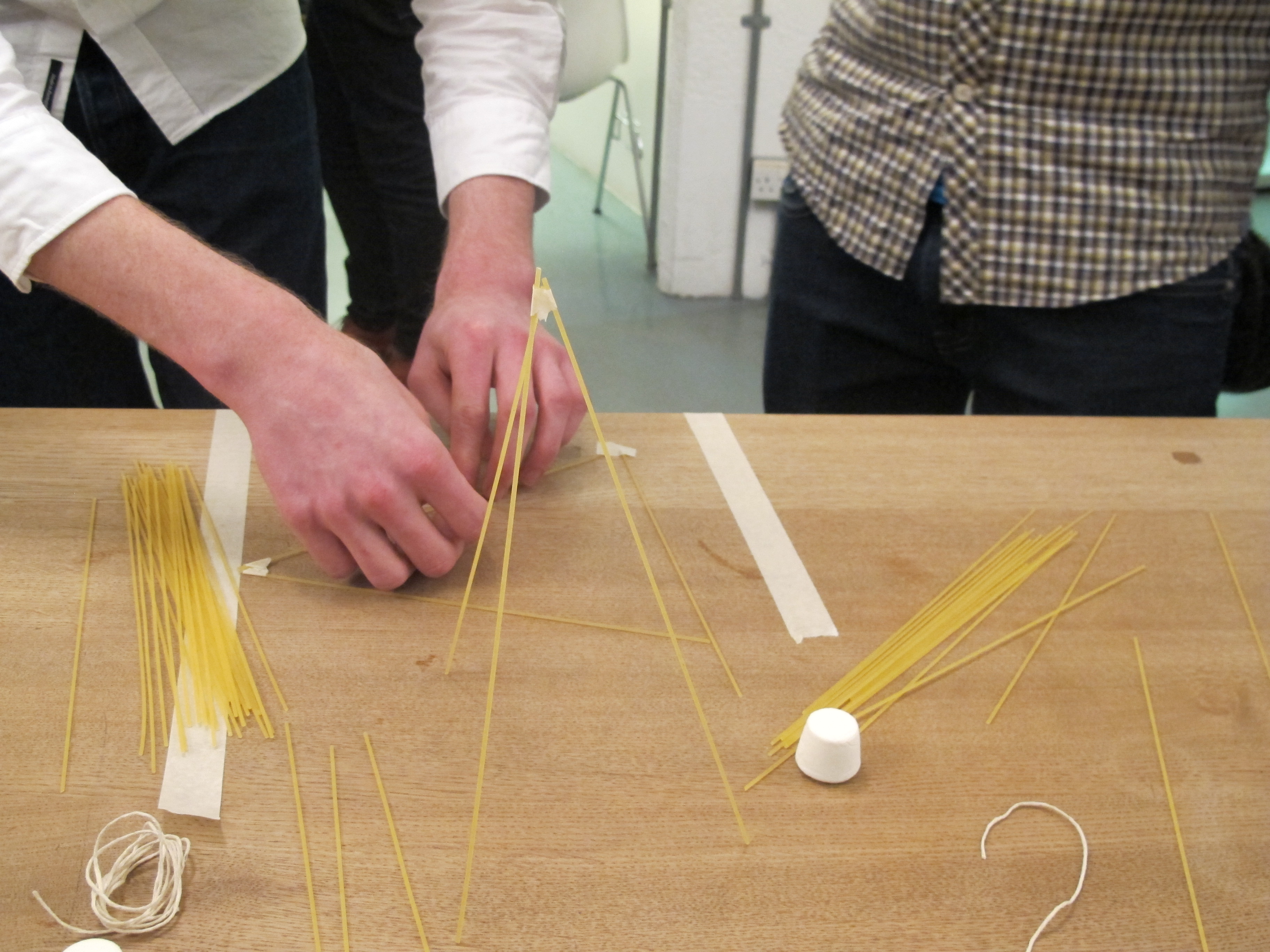
Amazing How A Marshmallow And Willpower Can Predict Your Life Success

There are many factors that contribute to the success or failure of a person in life. Some people seem to have it all... health, wealth, and overall success. While others seem to be caught in a web of poverty, failure, and despair. Are there factors in early childhood that can accurately predict the future life status of individuals?

Yes, absolutely! Some factors may include: genes, their environment, their social status, or IQ. But, according to some longitudinal studies, none of the above factors are as powerful in predicting success in life as willpower, self-discipline, and delayed gratification.

First of all, let's define willpower. It consists of three components- 1) the ability to voluntarily disengage our focus from a powerful object of desire, 2) the ability to resist distraction and maintain our focus, and 3) the ability to maintain our focus on a goal in the future. These three skills add up to "willpower."

But, how can a marshmallow predict your future? In the 1970's, Walter Mischel, a psychologist at Stanford University, conducted a study called the "marshmallow test." Mischel invited four-year-olds one by one into a "game room" at the Bing Nursery School located at the university. They were shown a tray with marshmallows and invited to pick one that they would like. Then, they were given the following instructions. "You can have your treat now, if you want. But, if you don't eat it until I come back from running an errand, you can then have two." The examiner then left for a full fifteen minutes.

You can imagine how difficult these instructions were to follow for a four-year-old! Will power and self-discipline are major feats for children of this age. As it turned out, about one-third grabbed the marshmallow immediately when the examiner left. One-third waited the full fifteen minutes and were then rewarded with two marshmallows. The last third fell somewhere in the middle.

The most significant outcome was that the children who were able to resist the temptation of the sweet treat achieved greater success later in their lives. They did better in school. They had better social relationships, and tended to be more successful adults.

This was further supported by the Dunedin study of New Zealand. 1,037 children were assessed after twenty years for their health, wealth, and involvement in crime. The conclusion was that the better their self-control in childhood, the better the Dunedin kids were doing in their thirties. They tended to have sounder health, were more successful financially, and were less likely to be involved in crime. The worse their childhood impulse management, the lower their financial status, the poorer their health, and the more likely to have a criminal record.

The shocking conclusion was that, a child's level of self-control is as powerful a predictor of financial success, health, and criminal involvement as are social class, wealth of family of origin, or IQ. Willpower is a powerful determinant of adult success. High self-control and the ability to delay gratification predicts not just good grades, but also good emotional adjustment, and better interpersonal skills.

So, how does a person, especially an adult, develop willpower, self-control, and the ability to delay gratification? Willpower comes from the ability to control the thought processes that come from what is called the "executive function" part of the brain. These are the thoughts that without realizing it, are yelling at us inside our heads... "Eat the marshmallow! Eat it NOW!" For some adults, it may sound like... "Eat the cookies! Eat them now! Eat them ALL!" For others, it may sound like... "Bet the money now! Bet ALL of it!" Regardless of what your brain is telling you, you can manage these self-defeating thoughts as follows:

Disengage your focus from the object of desire by distracting yourself, or by reframing the object. For example you might say, "Those aren't really cookies, they're round coasters." Turn them into an inedible object. Change the desired object into something that is not desirable. Visualize it in your head.

Maintain your focus on what you DO want. If you want to lose weight, maintain your thoughts on losing weight. Don't let your brain go on automatic or else you will likely grab for those sugary, fattening snacks.

Maintain your focus on your long-term goal. If your goal is to lose weight, maintain your focus and your thoughts on the benefits you will gain when you do lose the weight. For example, you will be healthier. You will be able to move better. Your clothes will fit better, and you will like yourself more. This is not easy to do as you have to retrain your brain and what it is telling you.

You want to use "self-talk." It may sound like this... "I am a person who only weighs ____. I wear a size _____. I am able to walk, and dance, and run. I love the way I look, and I love the way I feel." Write this on a 3 by 5 card and review it at least daily. *You may also want to give your brain a boost by using visualization. Place pictures of yourself around the refrigerator of you when you were your optimal weight, or achieving your ultimate goal.
These skills of course are not mastered overnight! They require long-term focus in order for your brain to be retrained. It's not easy, but it's well worth it. Master your "willpower" and master your destiny! Don't eat the marshmallow until it's time and guarantee your success in health, wealth, and life!

Here are the top 5 apps that will help you boost your brain for better visualization results and they include one i use myself. 
Click Here to Download Your FREE Guide


http://ezinearticles.com/?Amazing-How-A-Marshmallow-And-Willpower-Can-Predict-Your-Life-Success&id=9262888

Successful People Take A Lot of Self-Development


Successful individuals consider hard work, determination and commitment as the ingredients to getting at the top of the corporate ladder. Yes, these three elements are very important if a working individual like you will want to succeed in life. However, all these are not easy to do. It would take a lot of self-discipline and self-development to achieve all your dreams and goals in life.

Self-discipline is something that not all people are good at. Diabetics are so hard-headed that they can't control their sweet tooth even if it means higher risk of getting a diabetic attack. Individuals who have arthritis would promise never again to eat the food that cause the joint pains yet when they feel well, they can no longer remember their promises.

Why does eating unhealthy food feel so yummy when in fact it can give you health problems later on?

Though not all dread the word "self-discipline," there are others who are victorious in this aspect. If the doctors tell them to stop smoking to save their lungs, they are willing to do it even if it means losing their favorite pastime. Mind you, quitting smoking is not easy. It needs a lot of self-discipline not to be tempted by the cigarette aroma.

But when you have already mastered the art of self-discipline, expect to become a master, too, in self-development.

"It takes two to tango," as a saying goes. It means without a partner, you can't do the things you want to do. That's why in your professional career, you need the help and guidance of someone who can give you with all the knowledge you need.

At work, your boss is there to help you do your job better and become more productive. In trainings and workshops, there is always the trainer or facilitator who guides you through all the process of learning. At school, there is the teacher who moulds you into what you have become.

In sports, there is the coach who imparts the techniques, strategies, and even the rules so you can play the game wisely. At home, your parents and siblings or relative are there to give you love, support and guidance.

Except for those born with a silver spoon whose position in a company is given, climbing up the corporate ladder needs to be worked on. If you want to be the company's top executive officer, learn everything about the business, know how it is being run, and what keeps it going.

Most often, good customer service makes up the higher percentage of reasons why billionaire companies are successful. And if you consider this as an important aspect to your success, then learn everything about it and apply in your company.

Sometimes, self-development doesn't need to benefit only yourself. It also means sharing what you learned and apply it on your everyday life while making sure to continually expand your learnings and explore everything there is to be explored. This way, your professional life would never become boring.

Successful Entrepreneurs Do These 5 Things Daily


There is a saying that there are only three types of people in the world: those who watch what happened, those who wonder what happened and those who make things happen. 
Entrepreneurs fall into the last category, of course. They are change agents, people who don’t see the world as it is but as it could be. Entrepreneurs don’t sit on the sidelines and wish for a better world. Rather they go out and create it. They don’t wait for things to be different. They are the difference.
Being forward thinkers, entrepreneurs continually push themselves to become better and do better. They are game changers. They ooze confidence and inspire greatness.
Today is a great day to become an entrepreneur because the price of admission into this elite club is free and yours for the taking.
Do you really want to succeed as an entrepreneur? Follow these five steps and you’ll be well on your way to developing the leadership qualities it takes:
1. Willingly fail and reflect. “Ever tried. Ever failed. No matter. Try again. Fail again. Fail better,” goes Samuel Beckett's line. It's not always easy, the trying again part.
Another important thing is taking time to reflect on what went wrong. In the book The Call of Solitude, Ester Schaler Buchholz says, “Others inspire us, information feeds us, practice improves our performance, but we need quiet time to figure things out.”
In his book, Fail Up, radio broadcaster Tavis Smiley recalls lessons he has learned through reflection. He sheds light on these so-called failures that were, in hindsight, his best teachers.
You’ll only learn by failing over and over again. When you do this, you’re able to grow. And in spite of life’s inevitable setbacks, you’ll come out the victor
2. Embrace and confront your fears. According to author Brendon Burchard, fear can be categorized in three ways, which all relate to pain. The first is loss pain, which happens when you’re afraid to move ahead because you fear you’ll lose something valuable.
The second is process pain, which inevitably occurs every time you try something new. You have to go through the process of learning to deal with it.
The last is outcome pain. This involves not getting the outcome you desired.
Burchard insists that people need to overwhelm their fears. Just as an army invades its enemy from every side, a person should do the same with fear, attacking it from every side, as if going to war. 
For Shark Tank host Barbara Corcoran, public speaking was her Achilles' heel. But she overcame it by going to war. She volunteered to teach a real estate night course in front of a small group of students to overcome her fear.
3. Practice self-discipline. This is the ability to delay instant gratification and the ability to work hard now to reap benefits later. When Academy Award-winning actor Jamie Foxx was a boy, his grandmother routinely made him take piano lessons even though all he wanted to do was go outside to play. He had no idea that those lessons would lead to his eventual success. To this day, he continues to hone his craft and disciplines himself to practice playing the piano for two hours many a day.
No one sees the years of hard work you might put into an endeavor. They only see the outcome. If you want to reap the rewards of tomorrow, you must put in the work today.
4. Get some sleep. Shortly after the debut of her eponymous news site, Arianna Huffington collapsed from exhaustion and lack of sleep. She’d been working 18-hour days because she was so committed to growing her company. When she collapsed, she hit her head against a desk and found herself lying in a pool of blood.
In her book Thrive, Huffington details the ordeal and says it was a painful wake-up call. She knew she had neglected sleep and took steps to correct it.
When you get the sleep you need, you’ll feel more energized, charged and ready to tackle any problem entrepreneurship throws your way.
5. Give to others. In his book, Give and Take: Why Helping Others Drives Our Success, Wharton Business School professor Adam Grant teaches the idea of generosity in a professional setting. 
For centuries, people have focused on the individual drivers of success: passion, hard work and sheer will. But things have changed. Success is increasingly dependent on how we interact with others and how much we give them.
According to Grant’s research, the most successful people are those who consistently give. Grant takes this to heart so much that he not only puts in long hours as a professor, but also as many and sometimes even longer hours giving and helping others. 
That ancient book, the Bible, was right all along: Happiness comes from giving.  


Willpower and Self-Discipline Guidance and Exercises

     
Do you sometimes, feel that you lack the inner strength to take action, act assertively or be persistent?
Are there any habits you want to change, but you lack the necessary willpower and self discipline?
Developing willpower and self-discipline can make a great difference in your life, bringing to the fore, inner strength, which is vital for success and for personal growth.
The possession of these skills or their lack is a major factor, leading to success or to failure, to taking action or to being lazy. This applies to major goals, and also to simple, everyday tasks.
These abilities are vital ingredients of success, both spiritual and material.
  • How many times you wanted to go for a walk, knowing how wonderful you feel afterwards, but due to laziness or lack of inner strength, you stayed at home and watched TV instead?
  • How many times have you tried to change your eating habits, stop smoking, or get up earlier in the morning, but you didn't possess enough inner strength and persistence?
  • Do you start doing things, but quit after a short while?
You can change this behavior when you develop inner strength!
Let's examine these skills.

Willpower Definitions:

  • The ability to control or reject unnecessary or harmful impulses.
  • the ability to arrive at a decision and follow it with perseverance, until its successful accomplishment.
  • It is the inner strength that enables you to refuse to indulge in unnecessary and useless habits.
  • It is inner power that enables you to overcome inner and external resistance and obstacles.
  • It is the antidote to laziness and procrastination.

Self Discipline Definitions:

  • It is the companion of willpower. It gives you with the stamina to persevere with whatever you do.
  • It is the strength to withstand physical, emotional and mental hardships and difficulties.
  • It stands for perseverance and tenacity.
  • It is the ability to reject immediate satisfaction, pleasure or comfort, in order to gain something better, even if it requires effort and time to gain.
With these skills, you have the option to choose your behavior and reactions, instead of being ruled by them. They make you feel more powerful and in charge of yourself.
There is a misconception in the public mind regarding these skills. It is erroneously believed that their development and use require a lot of mental and physical strain and effort. This is not true. You can develop them in a gradual, simple way, by practicing certain exercises, and even enjoy the process.
   
How to Strengthen Your Willpower and Self Discipline
A simple and effective technique to strengthen your willpower and self-discipline is doing things, which you would rather avoid doing, due to laziness, procrastination, lack of inner strength and assertiveness, shyness, or other similar reasons.
By carrying out such actions, in spite of your inner resistance, you become stronger.
As muscles get stronger by resisting the weight of barbells, so these skills are strengthened by overcoming inner resistance.
Willpower and Self Discipline Exercises
Exercise no. 1
You are sitting in a bus or train and an old man or woman, or a pregnant lady walks in. Stand up and give up your seat, even if you prefer to stay seated. Act so, not just because it is polite, but because you are doing something that you are reluctant to do. This is an exercise in overcoming the resistance of your body, mind and feelings.
Exercise no. 2
There are dishes in the sink that need washing, and you postpone washing them for later. Get up and wash them now. Do not let laziness control you. When you know that in this way, you are actually strengthening yourself, it becomes easier to take immediate action, despite laziness and the desire to procrastinate.
Exercise no. 3
You come home from work and sit in front of the T.V., because you feel too lazy and too tired to take a shower first. Do not succumb to the desire to sit in front of the T.V, and go take a shower immediately.
Exercise no. 4
Do you like your coffee with sugar? If you do, then for one whole week drink it without sugar. Do you drink three cups of coffee each day? If you do, then drink only two cups a day for one whole week. Such exercises prove to you that you can control or change your habits, and this inner strength.
Exercise no. 5
Do you, like many others, like to read some unimportant gossip in the newspaper or magazine? Then for one whole week abstain from doing so. This might not be easy, but it's a good training. I am not telling you to do so indefinitely, but only one week.
Exercise no. 6
If you have the choice of going up with the elevator or climbing the stairs, choose climbing the stairs. However, climb the stairs only if it's not a high storey, and you are in good physical condition.
These are very simple exercises, which everyone can practice. Remember, the purpose of the exercises is to develop inner strength, not to make life difficult for you.
If you practice weight lifting, running or aerobics, you strengthen your muscles, and therefore, you can use your physical strength whenever you need it.
It is the same with willpower and self-discipline. When you strengthen them, you make them available for use, whenever you need them. They give you more control over your life, help you change and improve habits, and are essential for personal and spiritual growth and for achieving success.