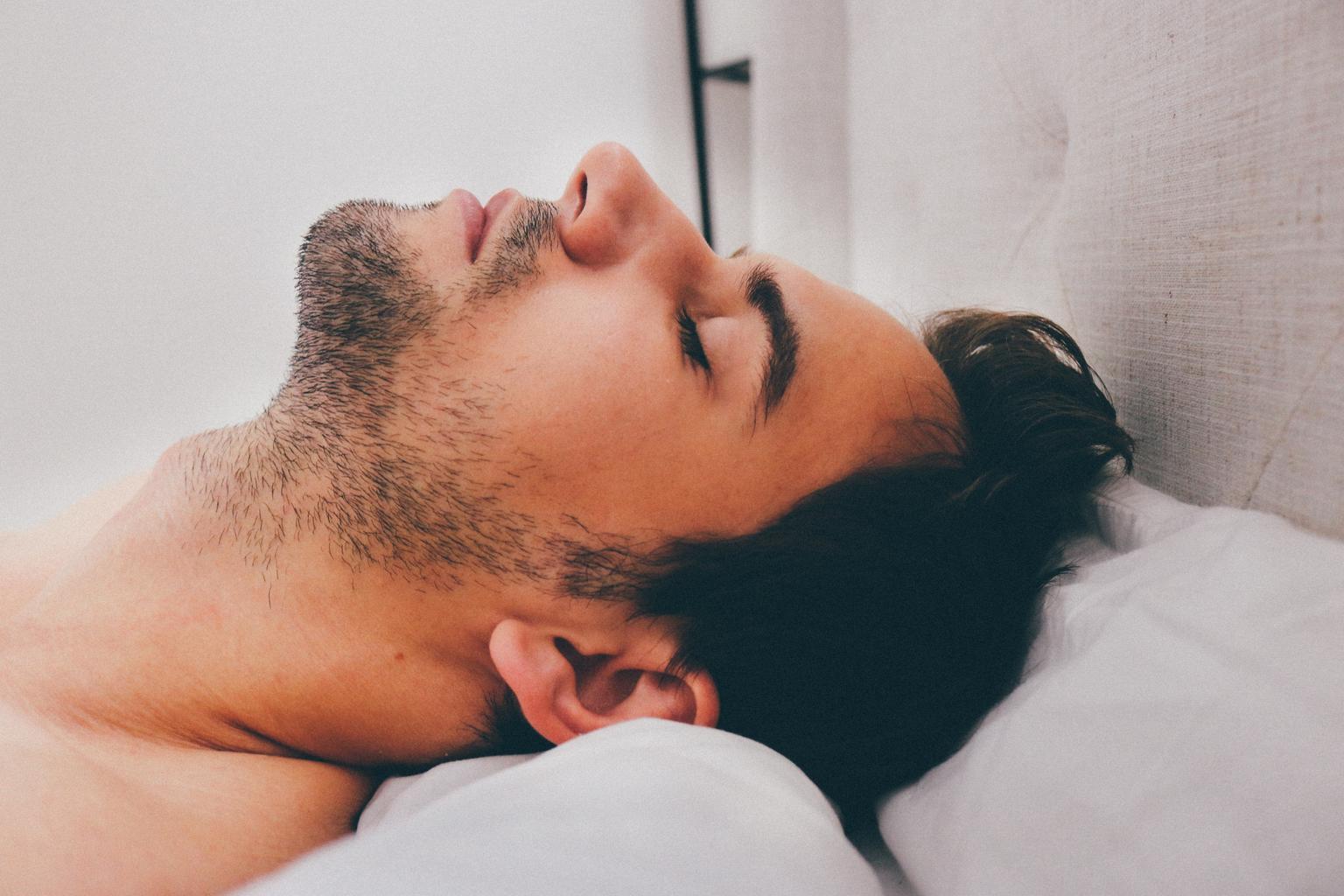
Showing posts with label Sleep. Show all posts

Establishing Routine (By Linda Hancock)

I remember when I had my first child. We lived in a basement suite in Tisdale, Saskatchewan. Our landlady told me that the secret to having healthy and happy babies is to keep their stomachs full and their bottoms dry. That sounds simple but there was a lot of wisdom in that advice.

Babies don't care if they are dressed in designer fashions. They can sleep through a great deal of noise and usually handle being passed around from one admiring person to the other.

The problem is when they start growing. If they don't have a routine or reasonable expectations, they can grow up to be sick and irresponsible adults.

Many times, my clients tell me about their lives, and I am sad for them. Watching movies until the crack of dawn messes up their whole day. When they sleep until noon, they miss sunlight and breakfast. It often takes them until almost suppertime to get into a mood for leaving the house. When they don't have any planned activities, they might spend hours listening to television or just thinking about negative things.

When I grew up we had news reports that lasted about twenty minutes. The newspaper reported events in other countries long after they had occurred. Now we have twenty-four-hour channels that spout opinions rather than news. We watch natural disasters or holds ups as they are happening. Even though these events occur in different countries, they enter our minds and can cause us to feel depressed, discouraged and hopeless. Turn the television off!

It can be difficult to fall asleep but if you are tired and not napping, sleep comes easier. It might take a few days to get into a habit but the best thing you can do is set an alarm for early morning. Get out of bed, eat breakfast and don't take naps. Once you have done this for a few days you will find that you have established a healthier pattern for your life.

Get out of the house! Winter can be difficult for some but going for a walk or doing volunteer work will feed your soul and help her to feel better.

Think about what has been good for you in the past and start doing that again. Were you a person who enjoyed doing crafts, baking or sewing? What were the thinks that you enjoyed as a teenager? Did you like to swim, play a sport or collect stamps? What are the goals that you have had but haven't started yet? Would you like to work on your family tree or learn a language?

Well, as they say, "Today is the first day of the rest of your life". Instead of just sleep at odd hours, eating poorly and thinking negatively, make a plan that will help you to establish a routine and find a purpose.


https://ezinearticles.com/?Establishing-Routine&id=10263800

Sleep Deprivation and Stress


Are you too busy to get a good night's sleep? Do you use your night trying to fit in jobs you didn't have time to get done through the day?

Some activities, such as working or caring for dependents, are usually classified as being unavoidable. That's because they usually are! Other activities such as socializing and entertainment, even though optional and discretionary, are still considered by most as necessary for a fulfilling life.

Sleep is often slotted into whatever time is left available after everything else has been attended to or indulged in. Are you still doing laundry at 2:00 a.m.?

However, would you prioritize sleep if you knew that it can help make you more capable of achieving your desired level of productivity? Or that it can strengthen your immune system and help prevent a slew of diseases and conditions?

Adequate sleep and healthy sleep patterns can prevent Alzheimer's Disease manifesting later in life and can assist in repairing the effects of chronic stress now.

Anyone who has lain awake after a hard day knows exactly how it feels when stress makes resting so elusive. The link between stress and sleep is very much a two-way street. While stress can make it difficult to fall asleep, sleep deprivation can largely contribute to causing stress and worsening its effects and symptoms.

Shift Work Sleep Disorder

Whether you are working as a long-haul truck driver or a college student pulling an all-nighter just to beat your assignment deadline, lack of sleep definitely takes a toll on your physical and emotional health. We're not nocturnal creatures. This is why those who are working on the night shift will often find themselves having difficulty overcoming their natural diurnal pattern and sleeping on demand. Sleep deprivation is very common among night shift workers. It has become prevalent enough for it to have an official name: 'shift work sleep disorder'.

The book titled Principles and Practice reported that night workers often have five to ten hours less sleep every week than those who are working a regular daytime schedule. Medscape Neurology and Neurosurgery reported that those people working on a night shift are at higher risk of suffering from stress. In turn, they are more prone to different kinds of stress-related health problems such as heart disease, hypertension, infertility, weakened immune system and stomach problems.

How Stress Impacts Quality of Sleep

Most people find it hard to sleep at night as they ruminate on stressful thoughts. Several scientific studies show that stress can have a huge impact on a person's quality and quantity of sleep. Individuals suffering from insomnia were found to experience a greater number of stressful events in life compared to people who were not insomniacs.

Studies also show that personal perception or appraisal of stress can either increase or reduce the tendency to suffer from insomnia. This means that even if you haven't been experiencing situations which others may consider stressful, but you perceive these things to be stressful, you will more likely to suffer from insomnia.

This reinforces the understanding that lack of sleep and stress both negatively impact the other. The bottom line is that being able to rest, or the lack of it, has a huge influence on the number of stressful events that you will likely to experience and how you well you'll be able to deal with them.

Sleep Deprivation Influences an Individual's Perception

Lack of sleep can strongly influence your perception of the events that are happening in your life. In order to support this statement, a study was conducted in which the participants were asked to take an exam that was judged to be mildly stressful. The results indicated that those participants who were sleep deprived experienced higher levels of stress while taking the exam, compared to participants who had no issues with sleeping difficulties. Other research done outside the laboratory also showed that sleep deprivation leads to psychological strain and stress.

The good news is that you don't have to be a life-long victim of sleep deprivation and stress. Make the effort to assess your lifestyle habits and make healthy changes to them. Subtle changes to behaviors and diet can provide an increase to both the amount and quality of sleep. This will lead to noticeable improvements in productivity and short and long-term health, especially relating to overcoming stress and its effects.


https://ezinearticles.com/?Sleep-Deprivation-and-Stress&id=9924598

7 Surefire Ways To Reduce Holiday Stress

So my family threw a surprise party for me. | And they even … | Flickr

Holiday seasons are filled with great expectations - family gatherings, reunions, gifts galore, parties, feasts, etc. However, it can be a stressful period if you don't handle it well. Here are seven steps you need to take in order to reduce your stress level during the holiday.

1. Plan ahead of time: Creating a timeline in advance and adhering to it will make your job easier. This is very important so that you don't muddle things up - you wouldn't want to put yourself in the stress of mailing the family gifts on a day you will be baking cookies for children's holiday school party. You can also set aside a weekend before the holiday starts to prepare cards and update letters so that the whole family will be encouraged to get involved.

2. Rest more: When you are tired, your stress level builds up. As a result of this, you should endeavor to sleep early in order to get the best quality of sleep, especially when you don't have night parties. If you are having difficulties in getting quality sleep, you can make use of food supplements especially natural products which do not have major side effects.

3. Meditate daily: Daily meditation is very vital for banishing worries. Choose a comfortable time daily for meditation and make sure you are religiously committed to it. There are ayurvedic meditations that are very good for your mind and body.

4. Balance the emotions to avoid holiday blues: It is possible that the holiday period brings emotional trauma for some people due to painful memories or family conflict. If you find yourself in this type of situation, you should not let the trauma lead you to eating too much which can lead to weight gain and skin breakout after the holiday.

5. Let your mind be steady when under pressure: Not minding your best-laid plans, there may come a time in your holiday when you have to choose between several choices - attending multiple parties, choosing the right gift, organizing family gatherings and so on. This can overwhelm the mind, but at this point, you need to calm down and give yourself a break.

6. Look good: When you look good, you will definitely feel good. You can make a list of things you will do for yourself during the holiday apart from wining and dining. You can get the best massage especially with ayurvedic massage oil and you will be left with a genuine holiday glow.

7. Be creative: Look for ways to make your next holiday unique. Think of places you have not visited before, think of events you have not participated in before, think of resorts you are yet to see, etc. By thinking outside the box, you will surely have a great holiday and in fact, a stress free one.


https://ezinearticles.com/?7-Surefire-Ways-To-Reduce-Holiday-Stress&id=9873583

Who Else Wants to Meditate Without Falling Asleep?


Falling asleep is one of the most common obstacles to meditation. Maybe you're sitting at home when your eyes start rolling, and your head starts nodding. Maybe you're at a meditation center when you find out you've been snoring for the past two minutes.

If you want to enjoy the mental and physical health benefits of meditation, you'll need to stay alert. Study these tips so you can apply them the next time you begin to feel drowsy when you're on your cushion.

GETTING ADEQUATE SLEEP BEFORE YOU MEDITATE

Nodding off as soon as you sit down is a sure sign of sleep deprivation, and the issue is widespread. Almost 80% of Americans are getting less than the recommended seven to eight hours of sleep each night, according to a study commissioned by Dr. Oz.

The ultimate solution to staying awake during meditation is getting enough sleep on a regular basis:

Be consistent. One of the most effective sleep hygiene routines is going to bed and waking at the same time each day. Stick to your schedule as much as possible even on weekends.

Adapt your bedroom. Block out distracting background noises and lights. Buy a new mattress or pillow if your old ones make you toss and turn.

Manage stress. Anxiety can keep you up at night. If meditation is the only time you relax enough to sleep, it may be more constructive to take a nap instead of trying to force yourself to stay awake.

STAYING ALERT WHILE YOU MEDITATE

Being well-rested will take care of most of your troubles with snoozing during meditation.

If you need extra help, try these tips:

Open your eyes. Most forms of meditation recommend keeping your eyes slightly open and looking down with a soft focus. If that makes you doze off, try keeping your eyes wide open at least temporarily.

Check your posture. Sitting up straight on the floor or on a chair instead of slouching will enable you to breathe deeper and feel more energized. It also helps to lift your head slightly.

Find your peak time. Is there a time of day when you usually feel more productive? Switch your sessions to first thing in the morning or late afternoon if that's when you're in top form.

Walk around. Meditate on your feet. You can make walking meditation your main activity if you're starting out or use it to supplement your seated practice on those days when you feel especially tired.

Join others. Sitting with a group provides extra stimulation. You may also want to avoid the embarrassment of having someone else wake you up.

Go online. Even if you're meditating solo, you can find some company on the internet. Browse online for guided meditations you can listen to if your own thoughts are putting you to sleep. You can also watch videos with pleasant images that will keep you engaged.

Turn up the lights. Bright lights trigger hormonal changes that make it easier to stay focused. Sit down in a well-lit room or go outside on a sunny day.

Cool off. Similarly, colder temperatures are bracing. Turn down the thermostat at home or take off your sweater.

Eat light. What you consume counts too. Heavy meals and dehydration are likely to make you want to go to bed. Before meditating, enjoy a small snack like fruit or a green salad. Drink plenty of water or tea.

Reduce stress and increase your mindfulness by creating a regular meditation practice. Developing positive sleep habits and making a few adjustments in your environment can help you meditate without falling asleep.


https://ezinearticles.com/?Who-Else-Wants-to-Meditate-Without-Falling-Asleep?&id=10087033

Top 3 Tips to Help You Relax Better


Sometimes people just need to unwind and let go from all the pain and stress in their life. So as a result these are the top 3 tips on how to relax better and relieve stress in your life.

1. Listen to your favorite music

Sometimes the best method to relax and relieve yourself is to listen to some of your favorite music. Also don't be afraid to try new tunes and songs that you haven't heard before to help your mood feel better at any time.

2. Lay down and take a long rest

Never neglect sleep in your everyday life and don't be afraid to even take more time to sleep and rest your body some more during the day and evenings. If your at work and have trouble finding time to rest and relax your body then try to hold out until your able to leave or go on break and try to rest your body as much as you can then. Sometimes a little extra rest really helps with relaxing your muscles and nerves and can really help with really getting your mind off things in your daily life more often.

3. Always think positive

Having a nice fresh and positive mind can really help and make a huge difference in your life and change your state of being during the day. The better and more positive thoughts you have about life, today, and tomorrow, the better your overall body and experience will be internally and externally with yourself and state of health. Always stay healthy and keep your mind on the positives in your life and use them to move forward and progress as much as you can.

Never let anything bring you down in this hard life we all live. Simply embrace positive emotions in your life as much as possible and remember your family and friends are there for you thick and thin. Embracing as much positivity in your life as you can will really help your life of course and allowing your family and friends to help you through your life's journey will help your better yourself very much as well. So take in as much positivity in your life as you can and don't be afraid to reach out to your family and friends as well. Life can have many twists and turns but having a positive attitude will always help you relax and have better days in your overall life any day.


https://ezinearticles.com/?Top-3-Tips-to-Help-You-Relax-Better&id=9644925

Help! I Can't Sleep! (By Michelle Geysbeek )


Have you ever had one of those nights? You know the kind; the constant tossing and turning, the tight muscles, the inability shut your mind off? It seems like that stupid alarm clock is staring you in the face. If only you could just relax and let it all go instead of worrying if you'll have enough coffee to make it through tomorrow.

Sleep is a strange thing. We need it, we crave it, we fight it, we do our best to control it instead of it controlling us. Unfortunately, our bodies don't function as they should when we are sleep deprived. The crux of it is, ongoing research has now established that not getting enough sleep is detrimental to our health. When we sleep our bodies repair vital organs and body systems, such as our adrenal glands, and cement our long-term memory while helping us to make sense of the days events.

For example, lack of sleep can severely weaken your immune system, accelerate tumor growth, cause a pre-diabetic state which can make you feel hungry even when you've already eaten. Even one night of poor sleep can impair your memory, decrease your problem solving ability and impair performance on physical and mental tasks, not to mention how these issues can manifest themselves in your body.

The average person needs six to eight hours of sleep each night. For most people sleeping under six hours will actually accelerate aging and increase your risk of diabetes. But everyone is different, some need more and some need less, if you feel as if you're dragging during the day, you need a full eight hours of sleep.

So the question becomes, when we are stressed and can't get a good night's sleep what are we to do? While nutrition, exercise, meditation and how we think about our life are major factors in our health and stress levels, whether we get enough sleep may be the most deciding factor in our health and well-being. Here are some suggestions to help you get out of the stress rut and get some much-needed sleep.

Avoid before-bed snacks, particularly grains and sugars This will raise blood sugar and inhibit sleep. Later, when blood sugar drops too low (hypoglycemia), you might wake up and not be able to fall back asleep.

Sleep in complete darkness or as close as possible When light hits the eyes, it disrupts the circadian rhythm of the pineal gland and production of melatonin and seratonin. Also, there should be as little light in the bathroom as possible so you aren't jolted by bright light (think Gizmo and Gremlins) if you have to get up in the middle of the night.

No TV right before bed Even better, get the TV out of the bedroom or even out of the house, completely. It is too stimulating to the brain and it will take longer to fall asleep. Also disruptive of pineal gland function for the same reason as above.

Read something spiritual or religious This will help to relax. Don't read anything stimulating, such as a mystery or suspense novel, as this may have the opposite effect. In addition, if you are really enjoying a suspenseful book, you might wind up unintentionally reading for hours, instead of going to sleep.

Pay off debt Make a plan to pay off what is burdening you. It's hard to sleep when we are worried about how we are going to make those payments. Devising and implementing a plan of attack will empower you, making you more relaxed that everything will be alright now that there is a plan to work from.

Avoid toxic and negative people or situations If you are constantly bombarded with stressful people or situations, find a way to remove yourself. Either discuss your situation with them and let them know how you feel so you can work on improving the situation or you may have to eliminate them from your circle, even for a short time.

Use breathing techniques Like EFT, breathing exercises help refocus our minds and allow our parasympathetic nervous system to come forward. This will help relax you and regain control of your thoughts.

Bring ALL thoughts under YOUR control Negative thinking leads to more stress. Most of the negative thoughts are about what you can't control anyway, so why not take control of those thoughts? Write a list of all the negative thoughts that go through your mind. Now, take some time and restate those thoughts in a positive way. Something like, "Why did I just try to do that? I did it wrong, I should have known I wouldn't get it right." Now try saying, "Oopsies, I just messed up. But I'm trying something new, I will get better at it."

Write in a journal Keep a journal or spiral notebook next to your bed. When you find yourself having thoughts racing through your mind, write them down. It doesn't matter what it is. It could be as simple as get milk tomorrow at the store, or as extreme as admitting you feel stressed and hopeless. Just the act of writing things down removes them from constantly coursing through your mind.

There are many ways to deal with stress and bring your body, mind and spirit back into balance. Because stress is a major factor in the majority of health problems plaguing people today, taking steps to learn how to manage the traps that drag us into the spiral of sleepless nights will empower us to take the steps needed to climb out. Not only that, being able to manage stress will help your mental well-being. Being a positive thinker has an effect on our health because our bodies actually respond to our emotions on a cellular level.

There are many pills out there promising to reduce your stress and/or help you sleep. The problem is, some of them can be harmful or addictive. Learn how to use any of the techniques above in a way that works for you and you won't have to resort to dangerous drugs to bring on that lovely slumber.

So, bottom line, give yourself the tools you need to combat stress so you can get some much-needed rest.


https://ezinearticles.com/?Help!-I-Cant-Sleep!&id=9310811

Wake Up Call for The Grumpy


Do you ever wake up feeling nothing but grumpy? And you are not aware of it. Not until everyone else says it to you repeatedly. And even feel more irritated because you won't believe it to be true reasoning out that you are just "not a morning person". And then you realize "Oops! I have been relatively grouchy." There is your wake up call. But why do you feel you are having a bad mood in the morning, when in fact, your day has not started yet? Here are some factors that may ring the alarm with the corresponding recommendations you can do.

Poor Quality of Sleep

Sleep quality is "one's satisfaction of the sleep experience" as defined by National Sleep Foundation's Sleeptionary, who advocates in sleep health as a new field of research on keeping us informed and motivated to have a good slumber. It is highly subjective and is comprises your sleep's initiation, maintenance, quantity, and refreshment upon waking up. If you are having a bad morning it can be associated with these determinants especially on your ability to wake up comfortable, positive and calm.

79% of Americans wake up badly according to Withings, a French tech firm who studied both Americans and British who are snoozers. 79% of the respondents admitted that waking up in a bad mood affects them throughout the day affecting their concentration (51%), overall work performance (38%), and well-being (35%).

We have our own body clock also called as the circadian rhythm. If we wake up ill-tempered most of the time, our own clock is probably not working right. Sleep inertia is the psychological state characterized by feeling groggy upon waking up and lasts about 15 to 30 minutes. At this stage, the culprit sneaks in. Neurotransmitters affect sleep are erratic including norepinephrine, serotonin, and acetylcholine. Tossing and turning, you will rise up irritated. Fight inertia during its course it will be a big help if you prepare prior to a big day. What you think before you sleep will remain in your dreams up until you wake up. Dr. Vijai P. Sharma concluded that if we have too much stress in our life before sleeping, our compensatory mechanism regulates our mood while asleep in our dreams. Dreams give us hints on how we should deal with what is on the day ahead. Basically, the input of our mind and body is also the output. If you are stressed out before hitting the bed, waking up will be hard for you.

If you cannot catch the Z's (Bedtime routines)

The Bedroom

• Keep the room spick and span to minimize contaminants.

• Strategize your bedroom design. A study by Indian humanitarian Sadhguru, founder of Isha Foundation, shows that sleep positioning and proper arrangement of your ideal interior actually helps you sleep right.

• Mattresses have a life span good for ten years. Invest on a comfortable and supportive ones to avoid and/or relieve back pain.

• A survey shows that 91% of Americans, according to National Sleep Foundation, change their sheets every two weeks. Wash sheets with mild water and detergent as often as possible to stay away from allergens that may hinder you to fall asleep. Use relaxing fabric conditioner to soothe you.

• Wash pillows every 6 months and add a protective case in between the pillow and pillow case to prolong its lifespan and prevent the spread of infectious-causing germs and foul odor.

• Use humidifiers or scented candles such as bamboo, peppermint, and lavender to saturate air and reduce anxiety.

• See to it that brightness of light source is adjustable from dim to luminous. Turning off bedside lampshade will make you sleepy because our body releases melatonin.

• Set up the clock where you can easily see it but do not watch as it ticks. You may get too focused on the time that will not allow you to sleep.

• Watch out for white noises that can distract you from having a sound sleep such as electric fans, machinery, and the likes. Try to tune it down.

• Regulate bedroom temperature to your liking. 60 to 70 degrees is usually suggested.

The Grumpy Head

• Prepare the things you need to use for the next day.

• Avoid doing strenuous work out before going to bed. Keep it light and simple to relieve stress and improve blood circulation. If you wish to go to the gym, do it 3 hours before hitting the hay.

• Try the good old counting sheeps formula. If this does not work for you, try relaxation techniques to help you meditate before sleeping such as imagery, yoga, and deep breathing exercises. These will also help you load off stress.

• Eliminate the use of cellphones, laptops, TVs, tablets and other devices that emit blue light that makes your brain activate.

• Lessen taking naps if necessary. Naps may take away from your night sleep especially if you are having a hard time or have insomnia.

• Clear your thought process. Try writing down your worries and solutions to resolve it. This way your brain will do the problem solving while asleep and waking up won't feel like a burden.

If you want to get out of the Z's

• Open the curtains. 35% of Americans don't use bedroom curtains or shades, according to National Sleep Foundation. Allow the power of sunlight to brighten your day. This instantly stimulates your brain to wake up and fight sleep inertia faster than usual keeping you from being volatile.

• Drinking tea and coffee are known to be effective mood boosters.

• Take a hot shower to awaken you and counteract inertia.

• Use your electronic device to your advantage. Set an alarm with reminders, quote of the day, prayers or pictures to be inspired.

• Quit snoozing. According to Dr. Peter A. Fotinakes, hitting the snooze button time after time decreases the quality of sleep. Instead of waking you up, you will just get a bad morning.

• Make sure to focus on the positive. Upon waking up, smile to remind yourself to look into the bright side of things. Think of something you look forward to making you jump out of the bed. Get your quick fix but don't let it procrastinate you.

• Wake up early to allow more time to prepare yourself from the day's hustle and bathroom politics.

• Listen to music that energizes you and keeps your focus on the positive.

• Go out for a walk and see a beautiful scenery for 30 - 60 minutes. Appreciation of nature helps combat your grumpiness away.

• Gretchen Rubin's The Happiness Project recommends adding favorable activities in your morning routines before going to work.

• Encourage social contact. A friend or a loved one will cheer you up and knock your head just to tell you to stop being irritating even when you are weary.

If you cannot keep the Z's

• Set a sleep schedule and stick to it. It will set your internal body clock to wake up on time and get enough sleep. Young professionals and adults are highly recommended to have at least 7 to 9 hours of sleep a day.

• Minimize the use of your bed strictly for sleep and sex. Unnecessary things lying around your bed is a no-no! Take away clothes, books, and gadgets. Place them properly where they belong. Work materials should not be found on your bed. These will stimulate your brain to overload and would not induce sleep.

• Avoid eating heavy meals or spicy foods to prevent indigestion. Eating dinner 2 to 3 hours before lying down prevents you from waking up in the middle of the night. If you are still hungry, you can eat light meals 45 minutes before.

• Avoid drinking alcohol and caffeine. In an article in Time Magazine, doctors explained how the effect of "alcohol is probably to blame" for keeping you up at night.

• Exercise daily but take into consideration your sleep routines. Go to be bed when already tired and do not force yourself into working out.

• Keep a sleep journal to track your sleep cycle and evaluate irregularities.

• Seek professional help from a physician or a sleep doctor.

Waking up grumpy reflects your attitude towards the day. Do not own up to it. Stay away from it all cost before drifting off to dreamland and prepare for a great morning. Answer the call with positivity. Batter the grumpy in you before it batters you.


http://ezinearticles.com/?Wake-Up-Call-for-The-Grumpy&id=9482783

You Got Triggered, Now What? Reflections on Mindfully Moving Through a Stress Response (By Jennifer C Jackson)


Image result for insomnia

I had just done the very thing I advise people not to do. I was all relaxed and ready for bed, but decided to check my email one last time. In truth, I had been having a tense online conversation, and was hoping to find a peaceful resolution in my in-box. Unfortunately, the opposite was true. Our miscommunication had taken an even worse turn and now there was a toxic blast waiting for me. Sure enough, I could feel my heart racing, my brainwaves moving faster, and stress hormones coursing through my body. Not what you want when preparing for sleep!

In the past this would have completely overwhelmed me. As my body moved into fight or flight, panic would have set in - both around the content of the email and the fact that my body had moved completely in the opposite direction of sleep right at bedtime. I would have felt like a helpless victim. Sleep would have been out of the question for that night and this one little incident could easily have started a two month bout of insomnia.

Now I can't say I was able to go right to bed after this and fall into a deep, peaceful sleep, but I did have strategies in place that helped me keep my power and perspective, and drastically shorten the effects.

In this case, the very first thing I did was laugh! What was I thinking checking my email like that when I knew a toxic nugget was a possibility? I had broken my own rule and now I was paying the price. Okay, so be it. I was clearly going to be awake for a bit, so it was time to make the best of the situation.

When my husband went to bed, I settled down on the couch, knowing I might be there for a while. I became very present with the physical stress symptoms. I tapped on my racing heart and mind and the stress hormones I could feel rushing through my body. I tapped and tapped until it became slightly less intense.

Next, I took this as an opportunity to grow and learn. What about this email had triggered me so badly? What part of this could I own? What could I do differently next time to avoid a miscommunication like this in the future? What lesson, gift, or gem might be buried in this situation? As I answered these questions in my journal, I tapped on the various responses. Finally around 1:00 a.m., I felt my body shift and knew I would be able to get some sleep. It was not my best night, but far better than it would have been in the past.

It took a few more days of deep inner work and tapping to fully mine the gem out of the situation -- and my sleep was off for a couple of nights as well. However, because I managed to stay present the whole time - both with my mind and with the effects on my body - I never felt out of control or helpless. I knew resolution would come one way or another and that my sleep would calm down as well.

After a time, the situation did resolve. It was not the way I would have originally chosen, but I know now it is the highest and best resolution for all concerned. And my sleep has been great!


http://ezinearticles.com/?You-Got-Triggered,-Now-What?-Reflections-on-Mindfully-Moving-Through-a-Stress-Response&id=9494500


5 Easy Tips To Get You More Restorative Sleep Tonight

Image result for sleep

One of the easiest, quickest, and most sustainable ways to gain more energy is to sleep better and sleep more (before the point where diminishing return starts to occur of course).

Sure, this is easier said than done for modern men and women, especially those living in a hectic all-night-long cosmopolitan city.

However, if you're someone who struggles with their sleep or if your sleep hasn't been as deep, as regenerative, as rewarding as it should be, you should seriously consider taking care of your rest as soon as possible.

Such a sleep-deprived situation may not harm you tomorrow, but it's going to bring in long-term disastrous health issues and you're going to regret soon.

Here are 5 easy tips on how you can considerably improve the quality (and quantity) of your sleep sessions.

Tip 1: Go For A Run

Not when you're about to go to bed but earlier in the day. This will help you to burn more energy and fat, thus making you more tired when you hit the sack.

At the same time, if you take your run outdoors, then you should find that the combination of fresh air and daylight also helps you to sleep better as well as to regulate your internal body clock.

If you aren't a runner, just find any sort of simple exercises to engage with for 20-30 minutes a day. As long as you move your body and get your heartbeat raising, you'll be more likely to sleep like a baby at night.

Tip 2: Make Your Room Cool Enough

Most people make the assumption that they will sleep better when their bodies are warm.

While you don't want your body temperature to be cold, a slightly cooler environment actually enhances your sleep. This emulates the way we would have slept in the wild and helps us to better regulate our temperature.

Tip 3: Take A Hot Shower

Taking a hot shower right before bed will help you to relax your muscles and at the same time will stimulate the release of sleep hormones like melatonin.

It also increases the production of growth hormones which are associated with better sleep and recovery.

Tip 4: Have A 30-45 Minutes Window To Relax

30-45 minutes before bed, get rid of your phone and put it in another room. At the same time, turn off the TV and make a conscious effort to relax and to do something that you will enjoy.

I personally like to read a book, jot down my day in my journal and lay out my game plan for the next day.

This will help you to unwind and to let go of the stresses of the day. Plus, the lack of bright screens and blue lights will help you to avoid stimulating the production of cortisol.

Tip 5: Take ZMA (With Caution!)

ZMA is a supplement containing zinc, magnesium and vitamin B6.

It is used by a lot of bodybuilders as a means to increase their testosterone levels to enhance muscle-building and recovery.

At the same time though, it also has the added benefit of encouraging deeper and more restful sleep. Take two capsule half an hour before sleep on an empty stomach and you might notice an improvement.

Of course, while most people can handle this supplement, always consult your physician or health experts to see if your body is good for this.

http://ezinearticles.com/?5-Easy-Tips-To-Get-You-More-Restorative-Sleep-Tonight&id=9527616

The 5 Most Common Symptoms of Anxiety in Women


Anxiety in women is different from anxiety in men. Overall, women report more anxiety. Women are 60% more likely to be diagnosed with an anxiety disorder. Women also face different stressors, because they have somewhat different life and work challenges.

Womens' biggest stressors are money and work - almost 80% of women worry about money, and about 2/3 worry about work. Over half of all women feel significant stress about family responsibilities, and both personal health and family health.

Women are more likely than men to report both physical and emotional symptoms. The reason for this difference isn't clear. Researchers have suggested that greater anxiety in women comes from pressures such as these: busier schedules, a tendency to try to "do it all", greater care-taking responsibilities, hormonal fluctuations, and environmental pressures.

The 5 most common symptoms of anxiety in women, according to an APA report on gender and stress, are below:

Trouble with Sleep

Anxiety can steal your sleep. For women, the most often reported symptom of anxiety is trouble with sleep. Most women know how important it is to get a good night's sleep, yet anxiety in women often gets in the way. Only about a third of women say they get enough (while 75% of men say they do). Even more - about half of all women - say that in the past month, stress has kept them awake at night.

Emotional distress

The next most common symptom of anxiety in women is emotional distress. For example, anger and irritability are common stress-related complaints. Close to half of women have said they felt irritable or angry in the past month. Other common symptoms include anxious feelings (38%), sad or depressed feelings (44%), and feelings of apprehension or dread.

Physical symptoms

The body responds to anxiety like an over-sensitive smoke alarm. Physical responses that are normal when there's real danger (like jumping out of the way of on oncoming car), occur even when the danger is small or nonexistent (like being a few minutes late for an appointment). The resulting symptoms include rapid heartbeat, high blood pressure, and a faster heartbeat. Anxiety in women often means stress-related headaches (41%), indigestion (32%), muscle tension (24%), and changes in appetite (22%).

Mental symptoms

Anxiety in your head can feel like standing in a crowded room, and trying to keep all the conversations straight. It takes a lot of work! There are so many thoughts pulling in different directions that it's hard to focus on any one thought and actually solve a problem. Mental symptoms of anxiety in women include ruminating, trouble concentrating, watching for signs of future trouble, and imagining unhappy outcomes. In some situations, like social gatherings or exams, anxiety shows up in the form of the mind going blank.

Fatigue and exhaustion

Anxiety in women can feel a bit like treading water in the deep ocean. It's exhausting. More than half of women in stress surveys say they feel fatigued. Fatigue also makes it hard for women to do things that would lessen their stress. This means that women are less likely to do the self-care activities, like exercising and eating well) that would reduce the anxiety.

Relief for Anxiety in Women

Anxiety in women is difficult, but there's some good news too. Women are better than men at reducing anxiety by staying connected with friends, family, and community. Relationships are generally important to women, and having close, caring relationships lowers anxiety. A large majority of women read to reduce anxiety. Other ways to reduce anxiety include:

- Exercise and movement 
- Mindfulness 
- Relaxation tapes 
- Fun activities like dancing 
- Writing

If you're struggling with anxiety, and self-care activities aren't enough to bring relief, it's a good idea to find support. Some well-researched treatments for anxiety are:

- Cognitive-behavioral therapy 
- Neurofeedback

It is possible to stop the cycle of anxiety and exhaustion. If you find yourself caught in this cycle, reach out for help.

http://ezinearticles.com/?The-5-Most-Common-Symptoms-of-Anxiety-in-Women&id=9500434

3 Healthy Habits to Build a Better You

It takes about 4-5 weeks of repetitive action for most things to become a habit. That means that if you put conscious effort in to forming 3 fitness habits every 4-5 weeks, by the end of the year you'll have 30-40 new healthy habits. That's A LOT of healthy habits banked towards becoming your best self!

I'm not talking all encompassing, change-the-world-in-one-day healthy habits. I'm talking small, super doable habits that won't take too much out of your day. By themselves they seem small. But together, they amount to a whole new, beautiful and healthy you.

Healthy Habit 1: Go for a 20 minute walk after I have my morning coffee but before I have breakfast.

Why this habit? Starting your day off with light exercise gets your blood flowing, boosts your heart rate and helps to put a healthy spin on the rest of your day.

How many times do you come home at the end of the day thinking "holy crap, finally I get a moment to myself"? It's good to give yourself a few minutes in the morning to clear your head and enjoy some quiet time that revolves around you. You have work, responsibilities, a daily routine that requires attention and energy. Take 20 minutes to get outside, breath in the fresh air and move your muscles. It's only 20 minutes, but it's YOUR 20 minutes.

Why sandwich it between by coffee and breakfast? Schedule your walk for after your cup of coffee (or while you sip your cup of coffee), but before breakfast.

Your coffee is your cue to take a walk. It's something you do every morning because you enjoy it, not because you have to. So link your new habit to one that you already have and that you take pleasure in. Post a note on the coffee pot to remind yourself.

Your breakfast is your pot of gold at the end of the rainbow. You eat breakfast every morning, and you enjoy it. Use it as the end point of your healthy morning ritual.

Before you know it, your walk will become linked to the same feeling of enjoyment that you get from your coffee and your breakfast. Before long, it will feel weird to eat breakfast without taking a walk first.

Healthy Habit 2: Drink an 8-oz glasses of water when I wake up, before each meal/snack, and before I go to bed.

Why this habit? Water makes the world go 'round. The natural world and the world that is your body. Did you know that with just a 2% loss in water, you lose focus, you feel tired, you are more prone to headaches and have decreased mental performance? Staying hydrated keeps you focused, keeps you healthy, keeps you fuller longer and helps dietary nutrients get to where they need to be.

Why drink at these times? You've heard that you should drink at least 64 ounces of water a day, but somehow that seems intimidating. Less intimidating is one 8 ounce glass of water multiple times per day.

Link drinking water to things you already do. You sleep, you eat. When you wake up, that is a cue to drink water. When you sit to eat, the food in front of you is your cue to drink water. Before you settle in for the night, getting ready for bed is your cue to drink water.

Let's say you eat 3 meals and 2 snacks a day. If you have a glass of water at each meal, plus water when you wake up and go to sleep... that leaves you with only 1 more glass of water to get in through out the day.

Healthy Habit 3: Fill half your plate with fruits and veggies first.

Why this habit? The daily recommendation of fruits and vegetables is 10 servings. 10 servings! Be honest with yourself, do you eat any where NEAR 10 servings? Fruits and vegetables give us an array of vitamins, minerals, antioxidants and phytonutrients that are essential to a healthy body. They make our immune system happy, our digestive system happy, our brains happy, our muscles happy. And we don't eat enough of them. Beyond the nutrients they provide, fruits and veggies are less calorie-packed than most other foods. So you'll be saving yourself some extra calories.

Why first? You eat. It's a habit you've been perfecting since you were born. It's essential to survival.

Now, the moment you pick up a plate to fill it with food, fill half of your plate with vegetables and fruits FIRST. Do this before you put anything else on your plate. Picking up your plate is your cue.

Focus on veggies primarily, but don't skimp on fruit either. Filling your plate with produce first is easy to remember and eventually it will seem awkward to put anything else on the plate before your greens.

Picking up these healthy habits are simple. They don't require you to flip your life upside down, they don't require you to spend hours at the gym. These habits are designed to let you SUCCEED.

Once you've mastered them, (aka once you don't have to think about filling your plate with veggies or drinking water before you sleep), think about a few more healthy habits that you want to fit in to your day. Think about how much of a difference you can make in just a few weeks.


http://ezinearticles.com/?3-Healthy-Habits-to-Build-a-Better-You&id=9415020

One Big Secret To Having More Energy And Why You Need It

To Have More Energy We Need To Fuel Our Bodies And Our Minds

I was working with a group of business owners recently discussing their goals and aspirations and how to plan for them. I always begin with their vision for life, but inevitably we end up discussing the 'energy' it takes to start, keep going, stay balanced, appreciate your achievements, and do everything else that's required too. I believe this is especially important for women. Because I believe this is fundamental to all aspects of life, and to everyone, not just those in business I thought I'd share my thoughts here.

Remember, you need to put fuel in your car if you're going on a journey!

When your energy is running low and you can't keep going you could feel any number of these things:

Overwhelmed
Tired
Lacking enthusiasm
Not feeling in the flow
Lacking empathy, intuition or spirituality
What's the point?
No / low motivation
It's all just a bit too much
Things happen to you instead of everything falling in to place
You can't hear yourself think - let alone that quiet inner intuitive voice
One step forwards, two steps backwards
and plenty more.
If you feel like this - or similar - or if you just want to ensure you never do, you can do something to help you have more energy.

The Secret Is That You Need To Find The Right Combination Of Fuel To Keep You Going
It doesn't matter whether you have a massive life goal, a business idea, a busy family to look after, or anything else, we all need to look after ourselves first in order to do all the things that life demands. Or that we demand of ourselves.

I think there are four absolute essentials that no-one can continue to function without addressing.

Sleep - Are you getting enough? This is so important. Everyone is different but we all need a decent amount of good quality sleep overnight to ensure we are functioning at our optimum. It helps us to process all the things that go on inner lives, and also to regenerate physically. Personally I need 7 1/2 to 8 hours sleep. Ask yourself are you getting enough uninterrupted sleep? If not, is there anything you can do to help with the situation. I'll be writing more on this in the next few weeks, so watch this space!

Hydration - There is a consensus that 8 8 ounce glasses a day (about 1.9 litres) will keep you hydrated, improve your skin condition etc. There is also a school of thought that as your body is a self-regulating system you should go with the thirst trigger - i.e. when you're thirsty have some water. There is also conflicting opinion about what you should drink - just water, or does tea and coffee count? (there's even one study that shows beer can count but personally I'm not convinced this is such a great idea!) You can only go by what feels good to you. I personally know that when I drink 2 litres of (just) water or a combination of water and fruit/herbal teas, a day I feel more awake, have more energy and sleep better. I'll be doing some more research on this so keep an eye out. In the meantime, do you think you drink enough water? Be honest now, I know some people who go all day without a drink, is that you? What could you do to improve your hydration? Why not monitor it to see if it makes you feel better?

Nutrition - Food is the fuel that keeps our bodies and our minds functioning. If we under or overfill our tanks, we won't perform at out optimum. If we use diesel instead of unleaded we could have problems. Do you turn to high fat, high sugar snacks to get you through the day? Do you eat out of boredom, to procrastinate, or as a reward? Is this the best way to fuel yourself for all the things you want to or have to do in your life? Often the short cuts will have long term effects that we won't realise until it's too late. Lots of people say they can't eat breakfast. I was one of those people once, a long time ago. However, I know that if I fuel myself correctly in the morning I can get so much more done. This is especially important if I have a morning at the gym planned otherwise I won't make it through the classes. What changes could you make to improve the nutrition that your body receives?

Exercise - this may seem counter intuitive, but exercise really helps to improve your energy levels. If you can find the energy to exercise (eat good food!) then exercise will give you more energy to fulfill all the other things you want or have to do. It helps improve your mood, gets your heart and lungs pumping so you have more oxygen and nutrients being delivered to the cells of your body, you have more energy and stamina, and helps you to fall asleep faster, and have a better quality of sleep (just don't do it too late at night otherwise you'll be buzzing). I mix things up and change my exercise routines regularly. I love training with weights but the gym can be lonely, so currently I prefer classes, they are fun, you get to meet people and I think I work harder with a trainer in the room. I like high impact, cardio vascular training, but I also love yoga and dancing so I have a real mix of exercise going on, at least 4 times a week. What can you do to add some regular exercise in to your week? A brisk walk with the dog? What do you love to do? A dance class may be more appealing than a run.

What Happens If Your Car Runs Out Of Fuel?

Make Sure you Top Up Regularly To Ensure You Have More Energy to Keep Going.
These are my basic requirements to keep myself energised. I don't always succeed in all areas but I do know that if I feel a bit run down at any point, I'm missing at least one of them. There are two other slightly less basic needs that I have, and I believe most people do, so I'm going to cover them briefly.

Make Sure You Have Enough Alone Time As Well As Human Contact To Help Give You More Energy
When I spend a lot of time continuously with people, especially if I'm training or running a workshop I can eventually feel a bit drained. This happens for lots of reasons including simply the physical energy it takes to participate in the event. I know that I need some quiet time to myself to regenerate and get my energy levels back to normal. Meditation is great for this, as is getting out in nature, or even just a quiet cup of tea on my own without any other stimuli.

Conversely, too much time spent alone can drive me a little bit bonkers! When I'm home based and haven't had human contact for a while I can feel a bit low and de-energised. this is when I need to get out and remember that I'm part of the human race. Text messaging and email doesn't really solve it as it's silent, non-human contact. The gym helps, combining this element with exercise is brilliant but doesn't always fully fix the problems there's not as much interaction as I need. Grabbing coffee with a friend, having a good catchup on the phone, going to a social or business event, or rounding a few people up for a night out are great ways to feel that connection with others again.

Be honest, check in with yourself now and again and ask yourself, do I have enough energy to fuel my life, as I want it to be? Is there something missing? If in doubt, try it out. see what happens. Have you ever thought you wouldn't go to that class, or in that run, and then when you do you tell yourself off for forgetting how great it makes you feel? Remember those moments. Leave yourself notes if necessary!

Take the time to find your required fuel combination, and keep topped up to ensure you have more than enough energy to fulfil all the things you wish to in this life.

http://ezinearticles.com/?One-Big-Secret-To-Having-More-Energy-And-Why-You-Need-It&id=9259696

3 Ways to be Physically Healthy While Fighting Depression


These days, people have a hard time managing their physical health. From weight issues and lack of exercise all the way to proper sleep and diet, maintaining proper physical wellness is a challenge for many people.
When a person is fighting depression, simply getting out of bed can be a difficult task. But just because a person is dealing with depression doesn’t mean that their physical health needs don’t need to be addressed. However, if a person is having an issue simply moving from the bedroom to the living room, then suggesting they go for a run isn’t practical advice.
So, how does a person fighting depression maintain proper physical health? Here are three suggestions:

Depression & Physical Health Tip #1: All Movement is Good

I’m the first person to admit that exercise is difficult even when I’m feeling fantastic. I’m not the physical type at all. I enjoy sitting on my butt staring at the television. But, when it comes to maintaining our health, movement is important.
It can be unreasonable to expect a depressed person to “go for a walk” or “get some fresh air.” It’s that kind of ill-advised suggestion that makes a person feel isolated and alone in the first place. So, rather than setting your sights on the treadmill, set them on the shower.
Often, when depressed, personal hygiene in the first to suffer. Why shower, shave, and get dressed if you are not planning on leaving the house? Because it’ll make you feel better, that’s why.
Don’t get bogged down in how long it takes, either. It once took me an entire day to shower, shave, and get dressed. Write a list on the mirror (look, more movement!) and cross them off. Consider things like brushing your teeth, combing your hair, etc. As you start to feel better, add household chores and errands.
Celebrate the goal and move forward. Trust me. All movement is good, even in small amounts. Add that to the mental burst of energy you’ll receive from completing a goal and it’s a win-win.

Depression & Physical Health Tip #2: Watch What You Eat

Watching what you eat is the most common advice there is when it comes to maintaining your physical health. It’s so common that you already know it, but you’re probably not doing it because you think it is too difficult. Especially when you are depressed.
Here’s the thing: many people believe the only eating options are healthy and unhealthy and that is simply nonsense. We would all feel better if we only ate fresh fruits & vegetables, lean proteins, and healthy grains. Conversely, we would all feel horrible if we only ate ice cream, cake, and potato chips.
But, there is a middle ground. Drink water, as an example. Before you panic, I’m not suggesting to stop drinking soda or coffee; I’m merely suggesting adding some water.
Many people complain that they can’t eat healthy because they are too depressed to cook. I certainly understand that. But there are plenty of healthier options than some of the standard junk food you may be consuming. And, I’ll point out that cooking will help you get in more of the movement I suggested above.
For starters, “diet” microwave meals, pretzels, and plain bagels are all healthier options than, say, canned pastas, Doritos, and pop tarts.
Eating better and eating perfect aren’t the same thing. When I’m depressed, I often eat the worst of the worst types of foods. Drinking more water and adding foods that are middle of the road will make a huge difference.

Depression & Physical Health Tip #3: Maintain a Stable Sleep Schedule

Like the above, maintaining a proper sleep schedule also has both physical and mental health benefits. Sleeping too little or too much can not only cause adverse physical effects, but mental ones, as well.
Depression and Physical Health
Sleep schedules are often set by external factors, such as when we need to get up for work or school. The National Sleep Foundation recommends 7-9 hours of sleep for the average adult between the ages of 26-64, but everyone is a little different. 
Once you have determined the proper amount, choose your bedtime accordingly. Then it is lights out at that time every night. Literally, lights out. Not lie in bed on your tablet or phone, not read a book, and absolutely not watch TV. Turn off the lights, crawl under the covers, and shut your eyes. Then lie there until you fall asleep.
No matter when you fall asleep, wake up at the same time every day – or at least as close to it as is reasonable. It’s okay to sleep past your normal wake time if necessary, but avoid getting your entire eight hours, or you may not be in a position to be able to fall asleep at your normal bedtime that evening.
The bottom line is this: Respect sleep. Don’t abuse it by sleeping too little or too much. Don’t force yourself to stay awake watching Netflix when you should be resting. Being physically exhausted will not improve your depression and, in fact, will absolutely make it worse.
Depression & Physical Health Tips Conclusion
A journey of a thousand miles begins with a single step. Maintaining our physical and mental health is no different. We tend to psych ourselves out and decide that if we can’t run a marathon or eat perfectly, then there is no need to try at all. Nothing could be further from the truth.
Every day, depressed or not, make any small positive step forward and you will be better off. Small changes absolutely lead to gigantic victories.

One Big Secret To Having More Energy And Why You Need It


To Have More Energy We Need To Fuel Our Bodies And Our Minds

I was working with a group of business owners recently discussing their goals and aspirations and how to plan for them. I always begin with their vision for life, but inevitably we end up discussing the 'energy' it takes to start, keep going, stay balanced, appreciate your achievements, and do everything else that's required too. I believe this is especially important for women. Because I believe this is fundamental to all aspects of life, and to everyone, not just those in business I thought I'd share my thoughts here.

Remember, you need to put fuel in your car if you're going on a journey!

When your energy is running low and you can't keep going you could feel any number of these things:

  • Overwhelmed
  • Tired
  • Lacking enthusiasm
  • Not feeling in the flow
  • Lacking empathy, intuition or spirituality
  • What's the point?
  • No / low motivation
  • It's all just a bit too much
  • Things happen to you instead of everything falling in to place
  • You can't hear yourself think - let alone that quiet inner intuitive voice
  • One step forwards, two steps backwards
  • and plenty more.
If you feel like this - or similar - or if you just want to ensure you never do, you can do something to help you have more energy.

The Secret Is That You Need To Find The Right Combination Of Fuel To Keep You Going
It doesn't matter whether you have a massive life goal, a business idea, a busy family to look after, or anything else, we all need to look after ourselves first in order to do all the things that life demands. Or that we demand of ourselves.

I think there are four absolute essentials that no-one can continue to function without addressing.

Sleep - Are you getting enough? This is so important. Everyone is different but we all need a decent amount of good quality sleep overnight to ensure we are functioning at our optimum. It helps us to process all the things that go on inner lives, and also to regenerate physically. Personally I need 7 1/2 to 8 hours sleep. Ask yourself are you getting enough uninterrupted sleep? If not, is there anything you can do to help with the situation. I'll be writing more on this in the next few weeks, so watch this space!

Hydration - There is a consensus that 8 8 ounce glasses a day (about 1.9 litres) will keep you hydrated, improve your skin condition etc. There is also a school of thought that as your body is a self-regulating system you should go with the thirst trigger - i.e. when you're thirsty have some water. There is also conflicting opinion about what you should drink - just water, or does tea and coffee count? (there's even one study that shows beer can count but personally I'm not convinced this is such a great idea!) You can only go by what feels good to you. I personally know that when I drink 2 litres of (just) water or a combination of water and fruit/herbal teas, a day I feel more awake, have more energy and sleep better. I'll be doing some more research on this so keep an eye out. In the meantime, do you think you drink enough water? Be honest now, I know some people who go all day without a drink, is that you? What could you do to improve your hydration? Why not monitor it to see if it makes you feel better?

Nutrition - Food is the fuel that keeps our bodies and our minds functioning. If we under or overfill our tanks, we won't perform at out optimum. If we use diesel instead of unleaded we could have problems. Do you turn to high fat, high sugar snacks to get you through the day? Do you eat out of boredom, to procrastinate, or as a reward? Is this the best way to fuel yourself for all the things you want to or have to do in your life? Often the short cuts will have long term effects that we won't realise until it's too late. Lots of people say they can't eat breakfast. I was one of those people once, a long time ago. However, I know that if I fuel myself correctly in the morning I can get so much more done. This is especially important if I have a morning at the gym planned otherwise I won't make it through the classes. What changes could you make to improve the nutrition that your body receives?

Exercise - this may seem counter intuitive, but exercise really helps to improve your energy levels. If you can find the energy to exercise (eat good food!) then exercise will give you more energy to fulfil all the other things you want or have to do. It helps improve your mood, gets your heart and lungs pumping so you have more oxygen and nutrients being delivered to the cells of your body, you have more energy and stamina, and helps you to fall asleep faster, and have a better quality of sleep (just don't do it too late it night otherwise you'll be buzzing). I mix things up and change my exercise routines regularly. I love training with weights but the gym can be lonely, so currently I prefer classes, they are fun, you get to meet people and I think I work harder with a trainer in the room. I like high impact, cardio vascular training, but I also love yoga and dancing so I have a real mix of exercise going on, at least 4 times a week. What can you do to add some regular exercise in to your week? A brisk walk with the dog? What do you love to do? A dance class may be more appealing than a run.

What Happens If Your Car Runs Out Of Fuel?

Make Sure you Top Up Regularly To Ensure You Have More Energy to Keep Going.
These are my basic requirements to keep myself energised. I don't always succeed in all areas but I do know that if I feel a bit run down at any point, I'm missing at least one of them. There are two other slightly less basic needs that I have, and I believe most people do, so I'm going to cover them briefly.

Make Sure You Have Enough Alone Time As Well As Human Contact To Help Give You More Energy
When I spend a lot of time continuously with people, especially if I'm training or running a workshop I can eventually feel a bit drained. This happens for lots of reasons including simply the physical energy it takes to participate in the event. I know that I need some quiet time to myself to regenerate and get my energy levels back to normal. Meditation is great for this, as is getting out in nature, or even just a quiet cup of tea on my own without any other stimuli.

Conversely, too much time spent alone can drive me a little bit bonkers! When I'm home based and haven't had human contact for a while I can feel a bit low and de-energised. this is when I need to get out and remember that I'm part of the human race. Text messaging and email doesn't really solve it as it's silent, non-human contact. The gym helps, combining this element with exercise is brilliant but doesn't always fully fix the problems there's not as much interaction as I need. Grabbing coffee with a friend, having a good catchup on the phone, going to a social or business event, or rounding a few people up for a night out are great ways to feel that connection with others again.

Be honest, check in with yourself now and again and ask yourself, do I have enough energy to fuel my life, as I want it to be? Is there something missing? If in doubt, try it out. see what happens. Have you ever thought you wouldn't go to that class, or in that run, and then when you do you tell yourself off for forgetting how great it makes you feel? Remember those moments. Leave yourself notes if necessary!

Take the time to find your required fuel combination, and keep topped up to ensure you have more than enough energy to fulfil all the things you wish to in this life.