Showing posts with label highly sensitive person. Show all posts

High Sensitivity and Introversion - The Slippery Slope Towards Isolation and Disengagement


The qualities that describe the temperamental introvert are almost in and of themselves a list of the qualities of the Highly Sensitive Person (HSP).

Many, but not all, HSPs are deeply introverted and for those HSPs who are strong introverts, retreat and solitude are natural inclinations towards which their nature flows. The HSP tendency to become overwhelmed or overloaded and to retreat to solitude or seek quiet in order to recharge their batteries after over-stimulating experiences, can sometimes drive them down the rabbit-hole into loneliness or alienation.

Human beings are by design social creatures.

From earliest infancy we are hard wired to respond both physically and emotionally to other human beings. Social responses like smiling and mimicry are built into us by evolution. Mothers guide their infants into the world and translate physical events into usable experiences by naming them for their children.

Attuned mothers model what is dangerous and what is exciting and struggle to soothe their over-excited or fearful children. They help their children to understand whether the fight they see is a real fight or a play fight and help them determine if they should be distressed or laugh when the clown falls down. Children naturally look to their caregivers for comfort for information about what their physical responses and feelings mean.

Emotional contagion

Even as adults we often look around at others to take the temperature of the room before we react to an ambiguous situation. We are influenced by the emotions of others around us both positively and negatively. This ingrained tendency to be emotionally in synch with the other humans around us is what psychological researchers call emotional contagion. It is a potent aspect of crowd behavior or mob responses. Unfortunately, in a crowd we are often captured by our worst, most aggressive selves..."egged on" by others in the situation. All human beings are susceptible to emotional contagion to some degree.

In its positive form, emotional contagion is the basis of the human virtue of empathy We need to be emotionally in tune with others to understand them and get along with them.

HSP's have finely detailed observational abilities which make them more responsive than most to the nuances of other people's feelings and this often leads them to shy away from crowds since the mass of emotional messages is just too confusing.

Even one-on-one can be emotionally challenging. Since HSP's own emotional responses are strong and quick it feels too easy to get caught up in other people's feelings. These experiences of being attuned to the rawness of other people's emotions and even taking them on through emotional contagion are often unpleasant and aversive. Unfortunate experiences and un-attuned care-giving sometimes teaches HSPs that risking exposure to other people's upset is painful and should be avoided. It is a kind of negative conditioning, like giving a shock to a rat to teach it to go in a certain direction and not another. For many HSPs therefore it starts to seem simpler just to stay away from other people...sometimes to the point of becoming socially phobic.

Downhill slope of introversion

A process of withdrawal feels natural for some HSPs because it follows their introverted inclination. But when the process starts too young, for example for sensitive children whose caregivers do not protect and buffer them sufficiently from the raw experiences of the world, the habits of solitude and withdrawal rob them of the opportunity to learn the social skills which would permit them to manage their social environment effectively by themselves.

With inadequate social skills, pleasant and supportive social relationships are harder to build, harder to maintain and more difficult to replace if they are lost. Because of the combination of lack of skill and acquired feelings of social aversion, many HSPs begin to feel lonely, isolated and alienated.

This contributes to a sense that they are strange and "flawed" and that no one likes them or cares for them deeply and it can create feelings of shame that make them even more reluctant to engage with others for fear that they will be humiliated or embarrass themselves.

Human beings regulate each other.

This withdrawal is very unfortunate because human beings need contact with others in order to regulate themselves. Just as infants need their mothers to help them understand what is frightening and what is fun, adult friends and colleagues can help one decide which anxious or self-critical thoughts have merit and which are exaggerations and excess that needs to be pruned back and put into perspective.

The introverted HSP tendency to withdraw which feels so "natural" can push a person too far away from the regulating influence of the human world. It is too easy for a person who already has easy access to fantasies and imagination to fall prey to fantastical fears or even to inflated positive beliefs about themselves or situations when there is no one around to balance their point of view.

Feeling of anxiety and depression often lead in a circular way towards more isolation and less balancing input from others.

Opus contra naturum"

HSPs then, who wish to manage themselves rather than being driven by their natural tendencies sometimes have to engage in what psychologist Carl Jung called the opus contra naturum... a struggle against their own nature.

The opus contra naturum is not an attempt to crush natural tendencies which are felt to be troublesome, but rather an effort to build up other parts of the personality which are also valuable and necessary. The goal is not to switch to a completely different but equally one-sided persona, but to develop wholeness of character that permits flexibility and choice, specially in vital human relationships.

HSPs often need to struggle against the exaggerations of their natural introversion in order to find ways to maintain and nurture human contacts in a style that is suited to their tolerance. This may take effort and may even require some "remedial work" on their social skills. The very first step in this direction may be to turn to some one they trust, or even to a professional helper to help them regulate their fears and raise their social comfort level.

Social graces, saving graces

Fortunately for the world, HSPs have many natural attributes which most of us would consider "social graces." HSP's are often described by their friends using words like: caring, intuitive, perceptive, empathic, a good listener, sympathetic, committed, deep thinkers, and very good at seeing other people's point of view.

HSPs are often committed and vocal advocates for causes which they feel are important enough to draw them out into public forums. HSPs are fully capable of asserting themselves and speaking up when their values are engaged.

The world would be much harsher place for everyone without the engagement of the thoughtful and empathic HSPs who make up 15 to 20 % of the population.

Introverted HSPs would do well to remember that their qualities and abilities are vitally important to human society and that that the rest of us are poorer when they retreat too far from us.





10 Tips To Get Great Sleep, No Matter How Stressed You Are


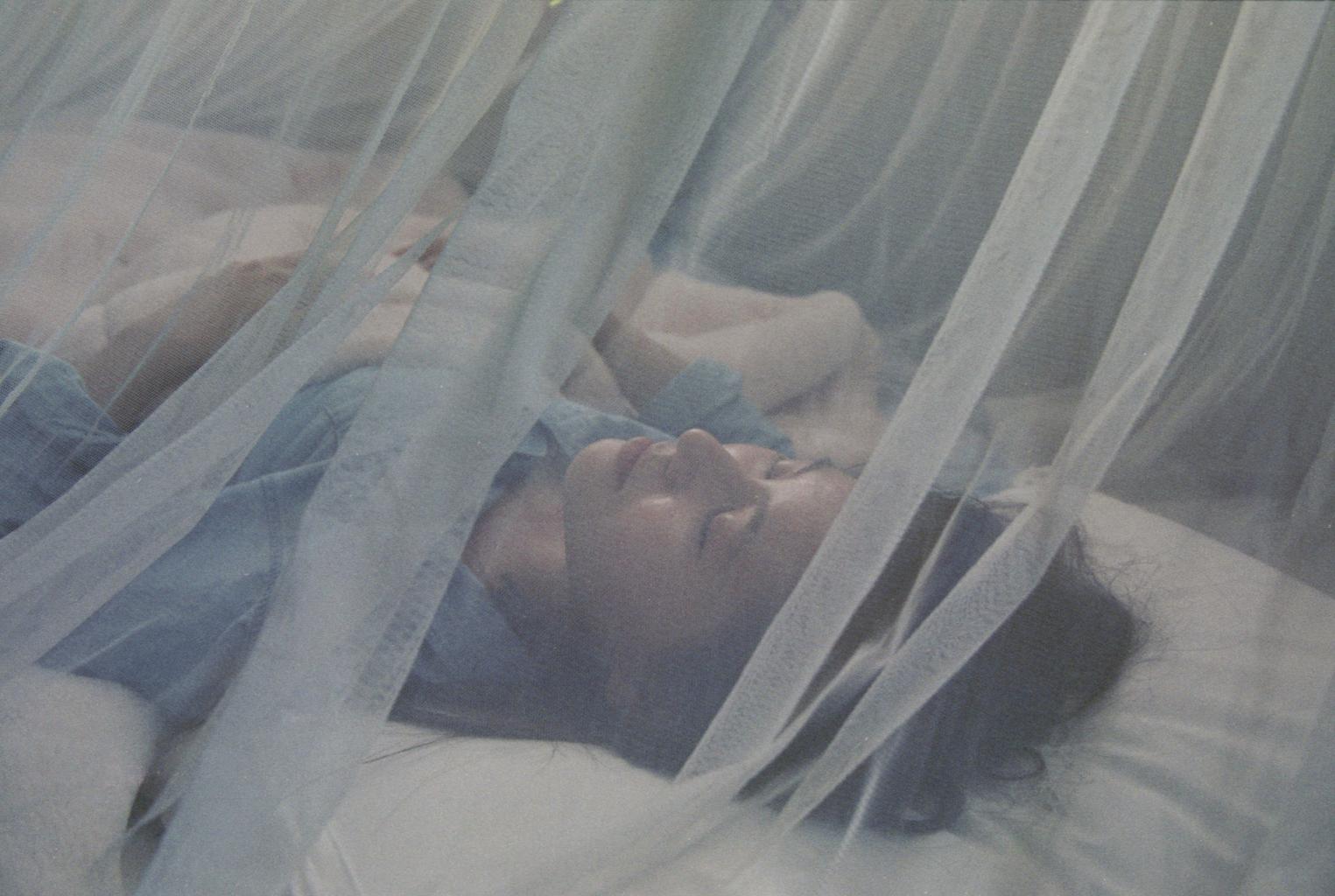
My highly sensitive friends know the frustration of lying awake in bed with a busy mind or achy body. A twinge of worry or an unrelenting thought can keep us awake for hours. We're familiar with the nagging noise in the other room, or the footsteps on the floor above that keep us from drifting off no matter how tired we feel. We know the draw of caffeine and sugary foods when we finally pull ourselves out of bed. And there's often the "don’t cross me" feeling that might emanate from us as we walk into the world after a crappy night's sleep.
Undoubtedly, all of us will experience bouts of insomnia at some point in our lives. The stresses of life and work deadlines will leave anyone tossing and turning. However, for the Highly Sensitive Person (HSP), approximately 20% of the population according to researcher Elaine Aron, a good night's sleep can be more of an enigma than a simple part of everyday life. Having a more sensitive nervous system lends itself to a predisposition toward insomnia. Sleep requires us to be in a deep state of relaxation, which is not easily attainable or familiar to an HSP.
While us sensitive folks may not have the ability to doze off at the drop of a hat, we can certainly get the shut eye we need by creating an environment that's conducive to deep relaxation.
Try one of these tips tonight for sweet dreams and a peaceful slumber.
1. Emphasize relaxation 1-2 hours before bedtime.
In the evening hours, decrease stimulation as much as possible. Dim the lights and slow things down. Do something you find relaxing, such as reading, practicing gentle yoga, taking a bath or talking about your day with your partner. As much as possible, make relaxation the theme of the evening. If certain tasks are unavoidable, then practice doing them in a relaxed manner.
2. Quit caffeine by noon.
Caffeine can stay in your body 8-14 hours after consuming it. Caffeine’s effects vary from person to person, but in general, if you are having trouble sleeping, try completely eliminating it for a month and see if that improves your sleep. Also consider sneaky sources of caffeine such as chocolate and tea. Switch to water, herbal tea, and herbal coffee substitutes.
3. Have a sleepy meal at dinnertime.
Eat foods containing nutrients that promote sleep, including tryptophan, melatonin and magnesium. At dinner, eat a combination of high-quality proteins and complex carbohydrates. Try a dish of quinoa mixed with sautéed greens and sliced chicken breast sprinkled with roasted pumpkin seeds. For dessert, try a bowl of fresh cherries or a frozen yogurt made with frozen cherries and coconut milk.
4. Lights out at 10:30 p.m.
Aim to go to bed around the same time every night. Our bodies are built for a 10 p.m. — 6 a.m. sleep pattern. The most regenerative form of sleep occurs between 10 p.m. and 2 a.m.
5. Practice left-nostril breathing.
Block off your right nostril with your right thumb and take long slow deep breaths through your left nostril only. Left-nostril breathing has a soothing and relaxing effect on the body mind. In Kundalini Yoga, it’s suggested that you take 26 long, slow deep breaths in this manner to produce a relaxing effect on the mind and body.
6. Shift your perspective.
What do you believe about sleep? Fearful thoughts create tension in the body and a body that is tense will not be able to fall into a deep sleep. The fear of not being able to fall asleep can easily keep one from falling asleep. My struggle with insomnia finally lifted when I believed that perhaps I could fall asleep without a sleeping pill. I often use the affirmation, "I choose to relax and let go now."
7. Play with lighting and sound.
Aligning our internal rhythms with those of nature sets us up for more restful sleep. Make a point to get exposure to sunlight during the day and in the evening, dim the lights a few hours before bed. Sleep in a pitch-black room or wear an eye mask. If you find that you are more relaxed with some background noise, use a fan or noise machine while sleeping. Earplugs are also a great option if you are sensitive to noise.
8. Take a relaxation bath.
Combine ½ cup Epsom salts with a few drops of an essential oil, like lavender, in hot water. Soak for 20 minutes. The magnesium contained in Epsom salt is absorbed through the skin and promotes feelings of relaxation. Water and salt cleanses energy from the day.
9. Try acupressure or another relaxation technique.
Lie on an acupressure mat in bed before dozing off. You can also try a progressive muscle or yoga nidra video in which you relax each part of your body using your mind. Another option is giving an alternative therapy like acupuncture a try.
10. Take relaxation breaks during the day.
Try taking at least one 15-minute relaxation break during the day to keep your body in balance so that you’re not in a state of overwhelm by the end of the day.
I’d love to hear from you. What have you found helps you get a peaceful night's sleep?

16 Habits Of Highly Sensitive People


Do you feel like you reflect on things more than everyone else? Do you find yourself worrying about how other people feel? Do you prefer quieter, less chaotic environments?
If the above sound true to you, you may be highly sensitive. The personality trait -- which was first researched by Elaine N. Aron, Ph.D., in the early 1990s -- is relatively common, with as many as one in five people possessing it. Aron, who has written multiple studies and books on high sensitivity, including The Highly Sensitive Person, also developed a self-test to help you determine if you are highly sensitive.
While recent interest in introversion -- driven largely by high-profile publications on the subject, including Susan Cain's book "Quiet," -- has brought more awareness to personality traits that value less stimulation and higher sensitivity, Aron notes that highly sensitive people still tend to be considered the "minority."
But "minority" doesn't mean bad -- in fact, being highly sensitive carries a multitude of positive characteristics. Read on for some of the commonalities shared by highly sensitive people.
1. They feel more deeply.
One of the hallmark characteristics of highly sensitive people is the ability to feel more deeply than their less-sensitive peers. "They like to process things on a deep level," Ted Zeff, Ph.D., author of The Highly Sensitive Person's Survival Guide and other books on highly sensitive people, tells HuffPost. "They're very intuitive, and go very deep inside to try to figure things out."
2. They're more emotionally reactive.
People who are highly sensitive will react more in a situation. For instance, they will have more empathy and feel more concern for a friend's problems, according to Aron. They may also have more concern about how another person may be reacting in the face of a negative event.
3. They're probably used to hearing, "Don't take things so personally" and "Why are you so sensitive?"
Depending on the culture, sensitivity can be perceived as an asset or a negative trait, Zeff explains. In some of his own research, Zeff says that highly sensitive men he interviewed from other countries -- such as Thailand and India -- were rarely or never teased, while highly sensitive men he interviewed from North America were frequently or always teased. "So a lot of it is very cultural -- the same person who is told, 'Oh, you're too sensitive,' in certain cultures, it's considered an asset," he says.
4. They prefer to exercise solo.

Highly sensitive people may tend to avoid team sports, where there's a sense that everyone is watching their every move, Zeff says. In his research, the majority of highly sensitive people he interviewed preferred individual sports, like bicycling, running and hiking, to group sports. However, this is not a blanket rule -- there are some highly sensitive people who may have had parents who provided an understanding and supportive environment that would make it easier for them to participate in group sports, Zeff says.
5. It takes longer for them to make decisions.
Highly sensitive people are more aware of subtleties and details that could make decisions harder to make, Aron says. Even if there is no "right" or "wrong" decision -- for example, it's impossible to choose a "wrong" flavor of ice cream -- highly sensitive people will still tend to take longer to choose because they are weighing every possible outcome. Aron's advice for dealing with this: "Take as long to decide as the situation permits, and ask for more time if you need it and can take it," she writes in a recent issue of her Comfort Zone newsletter. "During this time, try pretending for a minute, hour, day, or even week that you have made up your mind a certain way. How does that feel? Often, on the other side of a decision things look different, and this gives you a chance to imagine more vividly that you are already there." One exception: Once a highly sensitive person has come to the conclusion of what is the right decision to make and what is the wrong decision to make in a certain situation, he or she will be quick to make that "right" decision again in the future.
6. And on that note, they are more upset if they make a "bad" or "wrong" decision.
You know that uncomfortable feeling you get after you realize you've made a bad decision? For highly sensitive people, "that emotion is amplified because the emotional reactivity is higher," Aron explains.
7. They're extremely detail-oriented.

Highly sensitive people are the first ones to notice the details in a room, the new shoes that you're wearing, or a change in weather.
8. Not all highly sensitive people are introverts.
In fact, about 30 percent of highly sensitive people are extroverts, according to Aron. She explains that many times, highly sensitive people who are also extroverts grew up in a close-knit community -- whether it be a cul-de-sac, small town, or with a parent who worked as a minister or rabbi -- and thus would interact with a lot of people.
9. They work well in team environments.
Because highly sensitive people are such deep thinkers, they make valuable workers and members of teams, Aron says. However, they may be well-suited for positions in teams where they don't have to make the final decision. For instance, if a highly sensitive person was part of a medical team, he or she would be valuable in analyzing the pros and cons of a patient having surgery, while someone else would ultimately make the decision about whether that patient would receive the surgery.
10. They're more prone to anxiety or depression (but only if they've had a lot of past negative experiences).
"If you've had a fair number of bad experiences, especially early in life, so you don't feel safe in the world or you don't feel secure at home or ... at school, your nervous system is set to 'anxious,'" Aron says. But that's not to say that all highly sensitive people will go on to have anxiety -- and in fact, having a supportive environment can go a long way to protecting against this. Parents of highly sensitive children, in particular, need to "realize these are really great kids, but they need to be handled in the right way," Aron says. "You can't over-protect them, but you can't under-protect them, either. You have to titrate that just right when they're young so they can feel confident and they can do fine."
11. That annoying sound is probably significantly more annoying to a highly sensitive person.
While it's hard to say anyone is a fan of annoying noises, highly sensitive people are on a whole more, well, sensitive to chaos and noise. That's because they tend to be more easily overwhelmed and overstimulated by too much activity, Aron says.
12. Violent movies are the worst.


Because highly sensitive people are so high in empathy and more easily overstimulated, movies with violence or horror themes may not be their cup of tea, Aron says.
13. They cry more easily.
That's why it's important for highly sensitive people to put themselves in situations where they won't be made to feel embarrassed or "wrong" for crying easily, Zeff says. If their friends and family realize that that's just how they are -- that they cry easily -- and support that form of expression, then "crying easily" will not be seen as something shameful.
14. They have above-average manners.
Highly sensitive people are also highly conscientious people, Aron says. Because of this, they're more likely to be considerate and exhibit good manners -- and are also more likely to notice when someone else isn't being conscientious. For instance, highly sensitive people may be more aware of where their cart is at the grocery store -- not because they're afraid someone will steal something out of it, but because they don't want to be rude and have their cart blocking another person's way.
15. The effects of criticism are especially amplified in highly sensitive people.
Highly sensitive people have reactions to criticism that are more intense than less sensitive people. As a result, they may employ certain tactics to avoid said criticism, including people-pleasing (so that there is no longer anything to criticize), criticizing themselves first, and avoiding the source of the criticism altogether, according to Aron.
"People can say something negative, [and] a non-HSP [highly sensitive person] can say, 'Whatever,' and it doesn't affect them," Zeff says. "But a HSP would feel it much more deeply."
16. Cubicles = good. Open-office plans = bad.

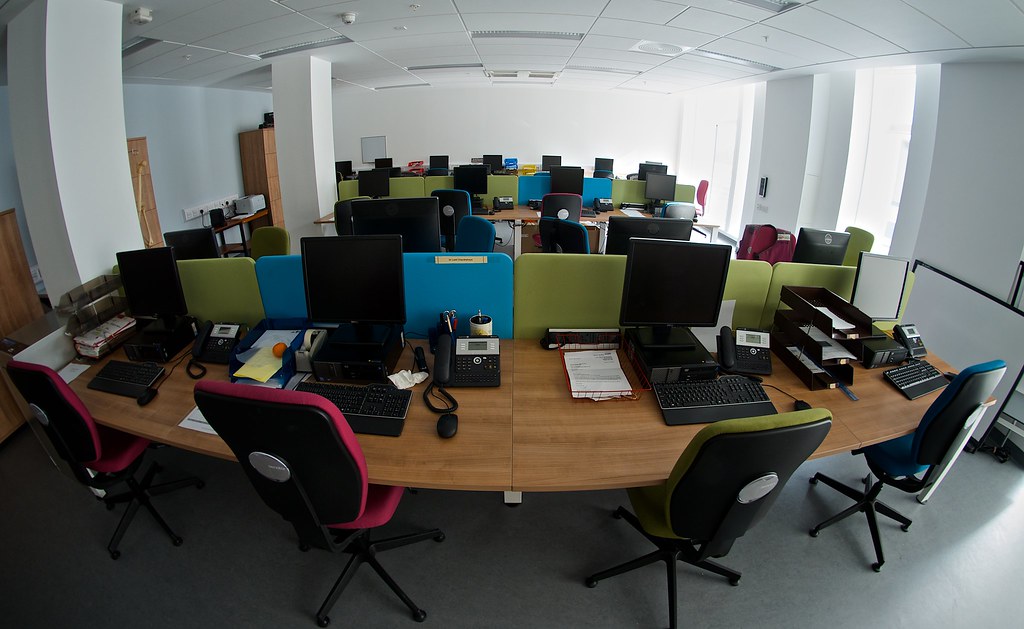
Just like highly sensitive people tend to prefer solo workouts, they may also prefer solo work environments. Zeff says that many highly sensitive people enjoy working from home or being self-employed because they can control the stimuli in their work environments. For those without the luxury of creating their own flexible work schedules (and environments), Zeff notes that highly sensitive people might enjoy working in a cubicle -- where they have more privacy and less noise -- than in an open-office plan.