Showing posts with label stressful. Show all posts

3 Steps to Reducing Everyday Stress


YOU know the time. You're feeling footloose and fancy-free, with tender equilibrium, and then, without warning, a flood of things comes your way to do, or some emotion-initiating event happens, and you're undone in a flash. Or, perhaps you're constantly feeling overwhelmed or anxious at the mere thought of the unknown coming at you. Maybe you can't enjoy the good moments for the fear it won't last. Could be you're just exhausted.

Welcome to the club!

A recent study[1] revealed that 30-45 percent of Australians found seven factors significantly stressful: issues related to personal finances, personal health, family, healthy lifestyle, health of others close to you, workplace, and relationships in general. Added to this, the fear of missing out was a significant stressor for those aged under 45.

There are two ways of looking at reducing everyday stress:

1. Acceptance of those matters that cannot be changed.

2. Courage to challenge and shift what can be changed.

Here are three steps to reducing your everyday stress:

1. Accept the things you cannot change - some things like low income, the health of others, some relationships, and family (to some extent) we simply cannot influence. Make a list of the things you cannot change and agree with yourself to stop stressing about them. (Regularly praying the prayer at the bottom of this article will help.)

2. Change the things you can - budgeting, personal lifestyle, and some relationships you can impact. Again, make a list of the issues of stress you face that you can influence. Develop strategies to instil change. Of all things, we find hard it's developing new habits. Persevere and results do come.

3. Discern the difference between things that cannot and can be changed - wisdom is so important for managing stress and the keeping of perspective in life.

Praying this prayer - The Serenity Prayer - on a regular basis will help reduce stress:

God, help me to accept the things I cannot change, give me the courage to change the things I can, and grant me the wisdom to discern the difference. Amen.

Faith in God through Jesus Christ helps mobilise such a prayer of wisdom, bringing its fruit into our lives even as we pray and apply it.


https://ezinearticles.com/?3-Steps-to-Reducing-Everyday-Stress&id=9742113

How To Refute Irrational Ideas That Stress You Out


Have you ever noticed that sometimes the same event is stressful and sometimes it's not? Or maybe there's something that just drives you crazy, while your spouse, friend, or co-worker seems unaffected-or even thinks it's funny?

What is it that makes something stressful for you or not? Is there some variable that makes all the difference?

In the 1960s, psychologist Albert Ellis developed "Rational Emotive Behavioral Therapy" when he recognized the strong link between how we interpret events and the emotions and behaviors that result.

Most significantly, he noticed that "Between the event and the emotion is realistic or unrealistic self-talk. The self-talk produces the emotions. Your own thoughts, directed and controlled by you, are what create anxiety, anger, and depression." (p.136, "The Relaxation and Stress Reduction Workbook," by Martha Davis, Ph.D., Elizabeth Robbins Eshelman, MSW, and Matthew McKay, Ph.D.)

Taking it one step further to complete the chain, your emotions then determine your actions.

So, the causal chain goes like this: activating events, interpretation (thoughts, self-talk), emotions, and behavior. This becomes a feedback loop in which all of the above (event, thought, feeling, behavior) are linked together. Once this pattern is encoded in your body and brain it becomes easy to trigger.

For example, you might be faced with a challenging task at work or in a family relationship which you interpret through the lens of a past failure in a similar situation. This makes you feel hopeless, so you withdraw from the situation to avoid feeling bad again.

Ellis identified 10 common irrational beliefs that launch us into stressful feelings which result in poor coping behaviors.

10 Irrational Beliefs

1. It's essential to have love and approval for me to feel good.

2. I must be unfailingly competent, successful, and perfect to deserve good things.

3. Certain people are evil and should be punished.

4. It's horrible when things don't turn out the way I want them to.

5. External events cause human suffering.

6. The unknown is dangerous and scary.

7. It's easier to avoid difficulties than face them head on.

8. I need a higher authority to validate my judgments and actions.

9. The past determines the present.

10. Happiness comes from endless leisure and relaxation.

These are just a sampling of the irrational ideas that produce crippling feelings and behaviors. It's not that there is no truth in them. It's how we use them against ourselves that is decisive.

At the heart of these beliefs is the assumption that "things are done to me" or that "I am a victim of circumstances beyond my control." That disempowered way of thinking lies at the core of the stress we feel.

Ellis discovered that, if you can refute your irrational ideas, you can interrupt the chain of reaction, and create a new outcome. If you reframe your thinking, you will feel and act differently. By doing this, you become stress resistant and stress resilient.

Ellis suggested five steps:

5 Steps to Refute Irrational Ideas

1. Write down the objective facts at the time you become upset. Try to describe "what happened" without writing a big story around it. For example, "Bob criticized my report and I walked out of the meeting."

2. Write down any self-talk about the event. This is the story you are telling about what happened, including any value judgments, beliefs, predictions about what it means for you, and worries, such as "I'll never be good at this," "I don't deserve a raise, unless I'm perfect," or "If they don't like me, I'll lose my job."

3. Write down your dominant emotional response, such as "I feel angry, afraid, anxious, sad, depressed, worthless, and so on.

4. Dispute the irrational ideas identified in Step 2. Do this one idea at a time. First, identify the idea or belief in your inner self-talk, such as "I'll never be good at this."
Then, ask yourself what evidence supports that belief. For example, remember times when you failed in the past in similar situations.

Next, ask yourself what evidence is against this belief? Find exceptions or remember times when the opposite was true.

In this example, you could find evidence for the opposite idea that "I can get good at this." Remember times when you used criticism as constructive feedback that helped you improve what you were doing.

Seeing both sides of an irrational belief supports the insight that there are alternative interpretations you can choose from. Which leads to the final step.

5. Substitute alternative self-talk that is more realistic, positive, empowering, and productive.

For example, "I can use this criticism as feedback to get better at what I am doing. This person did me a favor by pointing out shortcomings in what I was doing. Without that feedback, I wouldn't have known how to improve. This is the best thing that could have happened."

Can you see the transformative power in this process?

I've used this strategy many times with great success. However, in my experience, there's one preliminary step missing here-a step can make all the difference!

Sometimes you are so wound up in your stress that you just can't seem to step back and go through this kind of rational process. You need to first take the edge off the stress you feel. You need to activate your body's natural relaxation response.

So, what helps you release stress in the heat of the moment? Is it taking a walk, a few deep breaths, a little meditation, or a workout at the gym?

Once you've done that, you can revisit the situation from a much clearer state. Then, you can use the steps above and truly change how you are relating to that situation.

Enjoy your practice!


https://ezinearticles.com/?How-To-Refute-Irrational-Ideas-That-Stress-You-Out&id=9477713

6 Helpful Ways to Refresh an Overwhelming Day


It's always hard to be in a situation where you are burdened by many things and you can't accomplish anything. For this case, you have to restart the button, recover from being overwhelmed and return to your tasks. To help you refresh yourself, here's what you can do:

1. Give yourself a break to ease the stress

You have to remind yourself that there's a big world out there. It's important to get away from your troubles and physically set a distance from them. So, what about read a fascinating book that is totally different from what you're doing or find time to see a movie.

2. Stretch once in a while, get some exercise

Same concept matters here, but now with physical involvement of yourself. You may work out in the gym, take a long run or enjoy swimming. It's good to do this exercise in the middle of the day to separate the stressful morning from the rest of the day.

However, we can't just do this every day or getting into a gym for example is practically possible. Nevertheless, make sure that you move and stretch one in a while. Take some decision to walk in a city or when you are going home from work.

3. Breathe deeply

This step is much shorter and practical. Have time to take a full 120 seconds to inhale and exhale very deeply. Repeat it for 6 or 7 breaths per minute. After doing this, everything will be a little bit clear and better.

4. Be thankful always

Believe me or not, you got many things to be thankful for. You are alive living in a good place or in a city or in a country. Your life is so comfortable with the use of modern devices that entertain you, inform you of many important and interesting things and other things brought by modern life and you can enjoy them for free. Most of all, you have people whom you love and people who loves you, though you don't realize it yet. No matter how tough life is, but so are you. Just take some moment to reflect and rest.

5. Take time to pray or meditate

Well, you need a place to meditate to think and reflect with your life. Find a good place such as a church or a temple or any place to get some connection to a higher being and pray for a good life.

6. Call a friend

Do you have a friend from college or s childhood best friend that you haven't talked for a long time? Maybe it's a good time to get the chance to talk with someone who you are close with. Have a great conversation with someone who's not part of your present drama.


https://ezinearticles.com/?6-Helpful-Ways-to-Refresh-an-Overwhelming-Day&id=9552943

Our Failures Prove Meaningful - A Note To Steve Jobs' Stanford Revelation

U.S. Service members assigned to Combined Joint Task Force - Horn of Africa participate in a friendly game of soccer with children from the nearby village, outside of Chebelley village, Djibouti, Aug. 3, 2018. Over 30 Soldiers and Airmen volunteered for the outreach event organized by the 404th Civil Affairs Battalion. (U.S. Air National Guard photo by Master Sgt. Sarah Mattison)

'Now each of you is going to name his or her most favourite life motivator. One whose philosophy you adhere to unconditionally,' said a psychology professor in an integration class for university novices when the academic year rolled out, straight after my high school graduation. Fresh, inexperienced and village-originated, it came out soon that I feared myself from mingling with loud, aggressive and several pontifical city-grown-ups, so that my concentration in classes gradually decreased and hangouts with somebody alike was out of question.

Despite arrangements for stay at my elder aunt's and my family's pride on first member for a long time accepted to university, I was suffering. Even though I was surprising myself with study results in detested courses such as Math or Meteorology, there was no experience of the 'student life' for which many end up missing their academic years once over. I felt and was mostly alone; taking piercing looks and by-comments to heart, fighting it with ever more in-depth self-studies, long-runs and well-being simulation. Wearing a mask grew oppressive; my uncle back home was progressively submitting his self-conscience to Parkinson and, meanwhile the second term, he died. Attending mourners were greedy for uplifting information on my progress, building another level of oppression with stressful expectations from me. Another elder aunt's health back home was getting down. Finally, I announced inevitable year-interruption of my studies, which of course turned out to be my own choice of spillout as well.

I did not have my 'motivating pacemaker' back then, except that I was possessed with spiritual works of Paulo Coelho and thus named him to the class, which was met with recognition, say nearly everyone knew him and nearly no one named religiously non-iconic or mass non-leading examples. I had never thought of Paulo Coelho as my inner motivator and I had not appointed him to be. I merely stretched out for him in emergency. Now I know that, like him, I like entering people's 'interiors' to weaken their cancers of self devaluation and of world malady impression.

Steve Jobs, a renowned life motivator, gave one of his most winning stimulating public revelations with a tint of academic-commencers reflection. May this realistic picture of 'failures' do not shatter anyone's stability based on wrong presumption that 'one needs to lean on a successful life-inspiring person' where only the success deems inspirational. For knowing the successful side only leads to copying. Whereas knowing the true struggle, which preceded, leads to the essential learning.

And so amiable Steve Jobs unloads significant portion of feared concerns from the newly admitted Stanford students by serving them the truth of life inevitability to failures, which are going to turn in their favour, as long as they do not settle by giving everything up. No theatrical sugar talk, but a seemingly 'dramatic' BREAKFAST OF HOT REALITY, DRY FEARS AND HARD-BOILED OUTCOMES to waken them, the still unfamiliar young ones, and, at the same time, to remind the experienced ones, that 'NO ONE IS EVER TO ESCAPE' the 'final count-down'. Thus cherish your limited time, ignore the dreary surrounding opinions and become passionate about 'what you truly want to become', because no one else but us sets the verge of the road.

Incidentally, outside of Jobs' opening speech we received a complementary tool for unsettled hunger for life and 'foolishness', and that is Steve's discovered and developed SKILL OF PERCEPTION, OUR INTERPRETATION of passed and contemporary to near and distant future.


https://ezinearticles.com/?Our-Failures-Prove-Meaningful---A-Note-To-Steve-Jobs-Stanford-Revelation&id=9928021

Impacts of Stress


Every living being in the world often experiences stress. It is basically a physical response of the brain and the body to any potential threat or demand.
When your body feels the potential of stress it releases a complex mix of hormones and chemicals causing a number of reactions in the body. These reactions could be your knees and hands getting shaky; your palms get sweaty, and your heartbeat and breathing getting faster. These reactions are caused due to the release of a hormone called adrenaline which temporarily affects your nervous system. Some people can recover from stressful events more quickly than others. A stress reaction may be a one-time event, for short period of time or can frequently be happening over a long period of time. You might experience stress from day to day activities, like the pressure of work, school, family, divorce, illness, events like an accident, natural disaster etc.

However, stress can be life-saving in some situations:

• Stressful situations lead to the release of chemicals which can give you a boost of energy, which also enables you to focus your attention so you can react quickly to the situation.
• The quickness of pulse, faster breathing, use of more oxygen and increased activity in your brain are all aimed at your body to prepare to face a threat.
• The stress response can help you perform well under pressure. It can help you mount to a challenge; focus and can boost your energy. It is a part of learning and growing up.
• It can also motivate you while preparing or performing certain tasks like take a test or an interview for a new job.

Everyone is exposed to stressful situations in their lifetime. How an individual copes with it can lead to a wide variety of health problems.

• If the stress response goes on for a long period of time it is called chronic stress which can hamper your health. During chronic stress, the mixed hormones and chemicals get released rapidly. These can suppress the immune system, sleep, digestion and reproductive system.
• A longer period of stress can release chemicals which can leave a person to feeling tired or overwhelmed.
• People who suffer from stress for long durations of time can become sick, unable to concentrate or think and even suffer from mental breakdowns.
• Chronic stress can cause one to drink too much alcohol or intake of nicotine which can increase your blood pressure and may damage the artery walls.

The continued strain of stress in your body can cause mental disorders like depression or anxiety.

Conclusion:
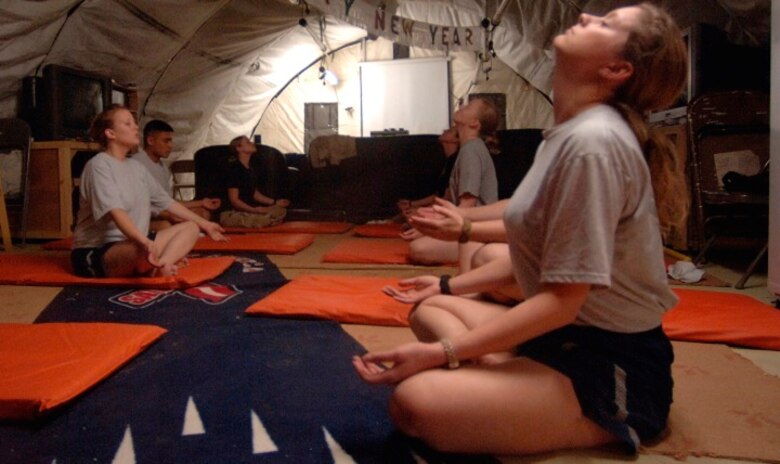
We should all take steps to manage stress so that it does not impact our health. There are different methods such as Yoga, meditation, etc. which help to alleviate stress.


https://ezinearticles.com/?Impacts-of-Stress&id=9862312

7 Surefire Ways To Reduce Holiday Stress

So my family threw a surprise party for me. | And they even … | Flickr

Holiday seasons are filled with great expectations - family gatherings, reunions, gifts galore, parties, feasts, etc. However, it can be a stressful period if you don't handle it well. Here are seven steps you need to take in order to reduce your stress level during the holiday.

1. Plan ahead of time: Creating a timeline in advance and adhering to it will make your job easier. This is very important so that you don't muddle things up - you wouldn't want to put yourself in the stress of mailing the family gifts on a day you will be baking cookies for children's holiday school party. You can also set aside a weekend before the holiday starts to prepare cards and update letters so that the whole family will be encouraged to get involved.

2. Rest more: When you are tired, your stress level builds up. As a result of this, you should endeavor to sleep early in order to get the best quality of sleep, especially when you don't have night parties. If you are having difficulties in getting quality sleep, you can make use of food supplements especially natural products which do not have major side effects.

3. Meditate daily: Daily meditation is very vital for banishing worries. Choose a comfortable time daily for meditation and make sure you are religiously committed to it. There are ayurvedic meditations that are very good for your mind and body.

4. Balance the emotions to avoid holiday blues: It is possible that the holiday period brings emotional trauma for some people due to painful memories or family conflict. If you find yourself in this type of situation, you should not let the trauma lead you to eating too much which can lead to weight gain and skin breakout after the holiday.

5. Let your mind be steady when under pressure: Not minding your best-laid plans, there may come a time in your holiday when you have to choose between several choices - attending multiple parties, choosing the right gift, organizing family gatherings and so on. This can overwhelm the mind, but at this point, you need to calm down and give yourself a break.

6. Look good: When you look good, you will definitely feel good. You can make a list of things you will do for yourself during the holiday apart from wining and dining. You can get the best massage especially with ayurvedic massage oil and you will be left with a genuine holiday glow.

7. Be creative: Look for ways to make your next holiday unique. Think of places you have not visited before, think of events you have not participated in before, think of resorts you are yet to see, etc. By thinking outside the box, you will surely have a great holiday and in fact, a stress free one.


https://ezinearticles.com/?7-Surefire-Ways-To-Reduce-Holiday-Stress&id=9873583

Simple Self-Care for Movers and Shakers


As busy business owners, leaders, and professionals (often with lives of work, volunteering, and family), it can be challenging to prioritize much less actually follow through when it comes to truly taking care of yourself. Sometimes this topic is blown off as a fluffy, feminine issue. However, while men don't often get manicures or pedicures or schedule coffee chats with friends, both men and women both need to make sure they are resting and restoring their own energy. This is taking care of themselves.

When we don't take care of ourselves, we put ourselves in a position of increased vulnerability to stress resulting in reduced emotional management and a highway to burn out. While our self-care actions might not hit our top 10 list for today's priorities, it is time to start adding them to your list! Before we make a list of "ideals," you will need to understand what self-care means for you.

For years my friends and family have chided me for burning the candle at both ends and needing to take care of myself. At times it was hard to understand what they meant. I knew I was busy, but I was doing things that were important to me, that I loved, and that I found energy and space for. My friends and family would say space at the cost of my downtime, but sometimes I felt confused about what was I supposed to be doing. I couldn't see just sitting at home reading a book for 3 hours or even a single hour, or taking a whole day to go for a hike while still trying to do the hobbies I enjoyed. It felt like an oxymoron: "Relax and take care of yourself, but don't schedule anything." How do you get a massage without booking it and where do I squeeze that into my busy schedule? Usually, I would answer, "I am fine." I had some self-care items scheduled into my day and felt plenty energized despite my business, but I knew I was not really taking care of myself or taking time for down-time luxuries, but it just seemed more stressful to plan those into the day as well.

What finally got my attention, as is true for many, is when my body couldn't quite keep up with me in the same way that it used to. After my second daughter was born I was diagnosed with Hashimoto's Hypothyroid. Symptoms are supposed to include tiredness, brain fog, body aches, etc. I thought, "What's new? You just have to push through it." The diagnosis really didn't change anything except increase the concern of my friends and family for me to slow down and take care of myself. Enjoying productivity and getting things done, I kept a full schedule with 2 jobs, family, and a heavy volunteer schedule.

Then, I hit my 40s. While enjoying everything I was doing, I found a good amount of stress came with the low margin I allowed myself. The combination of the stress and health is what I attribute to some anxiety challenges I started to have which wound up resulting in panic attacks. This got my attention. I tried to manage this new challenge with mediation but found that that had additional side effects. I tried to go back to my years of options and efforts to work out, meditate, journal, quiet time, etc. I started to notice the activities of those who were getting older in years but looked young vs. those who were the same age that looked old. This is when I started considering how my low margins helped me get a lot done but significantly added to my stress load. My stress load contributed to my compromised help and increased anxiety which then had its own ripple effect.

So maybe you are in denial yet about self-care and have people telling you that you need to slow down, or maybe you have had your own turn around moment and recognize the importance of self-care. I believe everyone needs to take care of their body, mind, and spirit they have, but speaking to the on-the-go mover and shaker, you especially need to take care of yourself. You connect with a lot of people, you have an impact and depending on your level of self-care will impact your ability to keep doing what you are doing as well as the degree of positivity you share as you are doing it. So, how do you do it?

#1) The Fundamentals. The fundamentals are those things that contribute to your on-going sustainability. When we are healthy and young we can easily take advantage of this health and get away with not doing the fundamentals. The more we age, the more we see the impact of this lack of self-care or the amazing shape of those who took the time. Health research and articles continually have similar suggestions:

- SLEEP. Don't cheat yourself. You need 8 hours.
- MOVE. Even a daily walk is better than nothing. Get a pedometer. Do 10K steps. Get outside (I lived in MN, I know how hard it can be.)
- WATER. Drinking your body weight in water is ideal, but for some of us, just MORE water is a win. Add lemon wedges or whatever helps you get as much as possible every day.
- GREENS. Eat more veggies and greens (kale, spinach, etc.). Honestly, the good greens are tough for me but the more often you add them to your diet, the easier it gets.
- ANTIOXIDANTS. Either with good foods (turmeric, cinnamon, oregano, blueberries, nuts, etc.) or a great supplement.
- BREATHE. Whether classic meditation or just 10 deep breaths a day, increase your moments to relax, de-stress, and fill your body with oxygen.

#2) Restoring your Body, Mind, and Spirit. I believe there is a difference between the self-care checklist and learning to listen to my inner self and intuition for self-care. A checklist might be used to help give ideas, get you started, or let you experience different options of what might truly be needed. Deeper self-care is not about being a slave to a checklist, rather answering the calling of the inner self. For example, if you are thirsty, the body needs water. You could look at the menu of drinks: soda, tea, coffee, juice, water... but you know what your body really needs you listen to your body and you will know if you try to drink the other options you will still be thirsty. The body needs water to be refreshed. Likewise in our self-care, it is important to learn how to listen to yourself and hear what your body, mind, and spirit is asking for.

- Checklist examples that include activities from common self-care suggestions in your daily and weekly routine:
- Body (helps your body physically feel better): massage, walk outside, eating a salad, working out, stretching, take a 10-minute break, eat fruit, eat breakfast, drink more water, cut sugar, get some sun, laugh
- Mind (helps reduce stress and clear the mind to relax): meditation, playing the piano or an instrument, reading a book, journaling, make a list, set a boundary, read positive quotes and inspirations, de-clutter, unplug for an hour
- Spirit (encourages the heart, bring joy and internal sense of peace): coffee with friends, listening to music, going out, dinner out, reading the Bible, prayer, keep a folder of cards & review, reduce or eliminate toxic and negative people in your feeds, volunteer
- Intuitive Direction. When you are able to listen to your intuition and inner voice, it will tell you what you need. It might sound like things that are on the self-care list or might be completely random. You might not want to do it, but understand how wise your body is and trust that it is giving you good direction in what you need. It might be like this:
- You have been inside all day on your computer. You feel sluggish and tired. You ask yourself, "What do I need to recharge?" GO FOR A WALK.
- You have been feeling uninspired and unmotivated. You ask yourself, "What do I need to refuel?"
- You feel lonely even though you have people all around you. You ask yourself, "What do I need to renew?" CALL YOUR OLD BFF FOR DRINKS.
- You feel overwhelmed and behind. You ask yourself "What do I need to de-stress?" MAKE A LIST.
- You feel frustrated and nervous about all your projects. You ask yourself, "What do I need to relax?" LISTEN TO MUSIC AND GO FOR A WALK.

Whatever it is, the point is that there isn't a right or a wrong. It is not a magic act. It is listening to your inner self and allowing your body to creatively tell you what is needed. This can sound a bit 'woo-woo' and hopefully it's clear that I am not talking about anything illegal or inappropriate, but as you get used to listening to your body (through being still and calming your mind and listening to your heart), you will get helpful information that does not come from the head and the neve rending list of things that could be done, rather true refueling and uplifting self-care that is just for you, at this time and moment to support you to be at your best!


https://ezinearticles.com/?Simple-Self-Care-for-Movers-and-Shakers&id=9951922

Deep Breathing for Stress Relief

Ready, set, focus: Finding calm in a storm through the power of ...

One of the first responses to a stressful event is a noticeable change in the respiration rate. If you are stressed, you'll find you either breathe more rapidly or you go the other way and hold your breath. This is quickly followed by an increased heart rate and tightening of muscles as the stress hormones further kick in.

The good news is that our body has a parasympathetic nervous system that activates the "rest and digest" response to be able to rebalance, following the "fight or flight" response of the sympathetic nervous system.

When the stressful situation is over or diminished in intensity, a person will often find themselves taking deep breaths for relief. These deep breaths are vital to trigger a recovery and relaxation response in the brain. This will enable a normal breathing pattern to establish, which subsequently slows the heart rate, expands the lungs and relaxes the muscles.

The Dangers of Shallow and Rapid Breathing

Sometimes a person's normal breathing pattern does not return promptly after the stressful situation has passed. They continue to take shallow and rapid breaths that cause the brain to maintain a stressed state, instead of entering the recovery phase. In turn, the body's sympathetic nervous system also fails to relax and becomes overworked.

Quite often when this happens the person experiences a panic attack. This will cause the depletion of essential nutrients in the body as the endocrine chemistry is further destabilized.

If these adverse changes in body functions persist for extended periods of time, the person will be subject to an increasingly higher risk of health issues, linked to having an overworked sympathetic nervous system due to constant exposure to stress.

Deep Breathing for Relaxation

Thankfully, activating the rest and digest response of the body is something over which we do have some degree of conscious control. By mindfully performing correct deep breathing we can "tell" our subconscious mind that the stressful situation has passed and more rapidly switch to our recovery or resolution phase. Even if we do still feel threatened or challenged, invoking this response through deep breathing will allow greater clarity of mind, reduce feelings of alarm, and allow reasoned thought rather than panicked reactions.

When we talk about "relaxation response" it does not mean lying on a couch or sleeping on a bed. The relaxation response that is promoted by consciously and actively deep breathing will provide a calm but mentally alert mind, capable of focusing on any given task and not distracted with symptoms of stress. This state of mind enables the body to achieve its resolution phase sooner.

Simple and Effective

Deep breathing technique focuses on taking deep, full breaths. While this may seem to be an overly simple technique, it has been proven to be extremely effective in bringing about feelings of calmness and relaxation.

It is easy to learn and you can practice it almost anywhere. Performing deep breathing techniques on a regular basis has been scientifically proven to positively affect a person's digestive system, immune system, heart and brain function.

Simply mastering this technique will give you the confidence that you can deal with stressful situations as they occur. This trust in your own ability will also lessen the undercurrents of generalized anxiety that keep your stress levels elevated. Whatever additional relaxation techniques you choose to practice, you should first learn the correct way to breathe deeply.

Deep breathing is the cornerstone of relaxation and it can be practiced along with other types of stress-reduction therapies such as music therapy and aromatherapy.

Many experts recommend that everyone set aside at least ten or twenty minutes each day to perform deep breathing exercises.


https://ezinearticles.com/?Deep-Breathing-for-Stress-Relief&id=9709803

Feeling Guilty? How to Finally Let It Go


If you have ever experienced feeling guilty, then you realize that it can be quite debilitating, burdensome, and stressful.

It's like the weight of the world is on your shoulders and you can't seem to shrug it off and, if you can, it only lasts temporarily and then the heavy thoughts and feelings return.

You may find yourself tossing and turning at night and losing sleep over what troubles you.

Some people feel so remorseful that it last a lifetime.

You may feel that if you let go of the guilt then you aren't taking responsibility for that about which you feel guilty.

Perhaps you don't believe you can forgive yourself or don't know how. You can learn to though, one step at a time.

If what has occurred involves another person, and you want their forgiveness, this may or may not happen. Remember, you need to forgive yourself whether the other person is able to forgive or not forgive you.

Forgiving doesn't mean forgetting; it means moving forward from that which is continuing to hurt you.

On some level you may believe that feeling guilty is your penance for how how you feel or what occurred.

You may find you are angry at yourself; this is quite a common feeling.

"Guilt is anger directed at ourselves - at what we did or did not do. Resentment is anger directed at others - at what they did or did not do." Peter McWilliams

It might feel like you can't seem to lift this weight of guilt off your shoulders, but oh, you can.

When I did body-psychotherapy with clients, and now coaching, the two places most people hold guilt in their bodies is in their necks and shoulders. The heart is often affected as well.

Guilt has a heaviness to it and can be exhausting.

It may feel like it's yours and yours alone to carry. It doesn't have to be that way though.

There are ways you can begin to heal, forgive yourself, and let the guilt go.

You can share with someone why you are feeling guilty. You might be afraid that if you tell a person how you feel they might judge you, or not forgive you. Choose a friend, coach, counsellor, mentor, who you believe is non-judgmental.

Write down how you are feeling. Writing and talking about things are very healing. Instead of keeping everything all bottled up, you are opening up to heal.

Ask yourself, "Why am I holding onto this guilt?"

Ask yourself, "When do I want to let this feeling go?" Today?

Ask yourself, "What do I need to do to let go of this?" Maybe it's writing a letter, talking to someone, meditating upon it, doing a ceremony around it, doing visualization, body-work, etc.

"Ask yourself, "Do I need to forgive myself?" Easier said than done? Sometimes yes. This is an important and necessary step to moving through the guilt, letting it go, and then healing.

Learn from what has occurred. For some people it takes more than one time for them to learn the same lesson. What's key when something occurs where you feel guilty is to learn from it. What if anything could you do differently now?

Some feelings of remorse are easier to let go of than others. What's important is recognizing when you are feeling guilty, then proceeding to do something about it.

Don't allow guilt to weigh you down any longer. Begin to lighten the load by doing something about it.

Today, will you choose to let go of your guilt?

Use these techniques to assist you in letting go of guilt so you can get back to living and enjoying more of life.


https://ezinearticles.com/?Feeling-Guilty?-How-to-Finally-Let-It-Go&id=7780008

Why You Get Triggered At Work And How To Stay Calm

Woman in Red Long Sleeve Shirt Wearing Eyeglasses Using a Laptop

We all get triggered. The difference between one successful professional and another can lie simply in the way they deal with pressure and their ability to stay cool when triggered.

According to George Bernard Shaw, "Self-control is the quality that distinguishes the fittest to survive." This is particularly true in the corporate world.

Neuroscience helps us appreciate exactly what's going on in our brain when we get triggered. With this knowledge, we are able to find ways to help us stay cool in these stressful situations.

Let's take some time to explore being triggered. One of the key areas we help our clients explore as part of our leadership development coaching programme is their values.

Values represent those things that are important to you. People have different core values and just as companies take time to (or at least, should) identify their values, so should individuals. Values explain why one person loves their job and someone else in the same role hates it. When our values are aligned to the work we do, we experience job satisfaction and fulfilment. On the other hand, when our values are stepped on - be it in the workplace, by our partners or by our children, we lose our cool. We get triggered.

What's Happening In Our Brain When We Get Triggered?

Our amygdala, part of our limbic system plays a key role in processing emotions, identifying threats and activating the well-known 'fight or flight' response. This leads to the release of various chemicals that result in the biological responses we recognise such as increased heart rate, feeling flushed and tense etc.

According to Daniel Goleman, a pioneer in the field of emotional intelligence, we experience an "amygdala hijack" which means our rational brain, the prefrontal cortex (PFC) responsible for weighing options and making rational decisions gets marginalised and we do or say things that we later regret.

Essentially, in these situations when we most need to tap into our PFC, we find that it has almost shut down. Now, we're not knocking the limbic system. It is the key to our survival as a species and continues to keep us safe. Obviously if we were truly facing a threat e.g. a wild dog racing towards us, we need that activated limbic system to get us out of the situation! However, how often do we really need it to run the show at work?

Five Ways to Stay Cool when Triggered

What we need in these situations is to re-engage our 'higher brain', the PFC. Very hard to do when you're in a charged state! Here are some steps:

1. Get to know yourself. Identify your values and look out for situations where they are stepped on so you can practise ways to deal with them when these situations arise. For instance, do you dread feedback and the review process? Think about situations where you have been triggered, how you reacted and how in hindsight, you would have preferred to react? Anticipate and plan for similar situations so you are conscious and intentional about your reaction.

2. Understand what's going on in your brain when triggered and how that impacts your reactions. We have looked at some basic explanations here.

3. Pre-empt your reaction by recognising your physical warning signs (such as heart rate starting to speed up, fist clenching etc.) so you can calm yourself down and prevent an amygdala hijack.

4. Calm down. We are all familiar with the advice to stop, take a deep breath and wait before responding when angry. Deep breathes deliver more oxygen to our brain. This helps us to calm down so we can take a break and give our brain time to engage the PFC and plan our responses. Sometimes it can be as simple as Thomas Jefferson's advice: "When angry, count to ten before you speak; if very angry, a hundred."

5. Practise mindfulness meditation. Research shows that mindfulness meditation may be associated with structural changes in areas of the brain that are important for sensory, cognitive and emotional processing such as the prefrontal cortex. This means meditation could help us build our capacity to restrain our impulsive emotional reactions and help us stay calm under pressure.

Over to you

What are your top tips for staying cool when triggered? If you would like some help with regulating your emotions, working effectively in a high-pressure environment or dealing with people you find difficult, get in touch for an informal chat about how we can help you.

Spread the Knowledge

If you found this article useful, please spread the word on social media, or email it to someone that would also benefit from it.


https://ezinearticles.com/?Why-You-Get-Triggered-At-Work-And-How-To-Stay-Calm&id=8664971

Depression and Cognitive Behavioral Therapy


Monochrome Photo of Woman Sitting On Floor

Depression hurts. When a person feels deep sadness from loss of a job, a loved one, or when stressful situations occur such as divorce, financial burdens, or troubles at home, life takes on a completely new meaning. When a person feels despair, they will often start feeling hopelessness, misery, and helpless.

Depression is a mental state that causes a person to create negative ideas about themselves and others. People, who feel depressed may feel like they have failed everyone, feel as though others are judging them, and they may say, "I am a failure. I am hopeless. I am inadequate. I am helpless."

The truth is there is always hope. For the most part, any common problem can be resolved. Of course, death is a natural occurrence that happens to us all at one point in our life, and every one of us will experience the loss of a loved one at some point in our lifetime. It is a difficult reality to accept; yet we all must face it at some point or another. It will happen and the best way to deal with grief from loss of a loved one is to learn how to accept the loss.

Divorce hurts. People, who spent a good deal of time with someone close to them, may blame themselves when things go wrong. This feeling of blame, guilt, and shame lingers for some time and causes depressive symptoms to emerge.

Depressed souls tend to feel shame, guilt, and blame often. This problem creates a negative illusion, leaving the person to feel that no matter what he or she does or says it is never right. The person starts to feel despair and rejected.

The fear of rejection and fear of failure forms for most people who suffer depression. Failure and the notion of being rejected feels like catastrophe and disaster to those who suffer from depression constantly. The pain escalates, the hurt grows deeper and deeper until one day, and the person decides to get help or end his or her problems.

Depression is not only a mental illness it is a very dangerous place for anyone to live in. Those who suffer from chronic depression may entertain suicide thoughts, and in too many instances may act on those thoughts. The overwhelming statistics show us that thousands of people every single day choose death as an escape from depression, and thousands others attempt suicide. Based on these facts, we need to learn to take depression serious and help those who are struggling with depression the best we know how.

One of the best solutions is Cognitive Behavioral Therapy. Cognitive Behavioral Therapy is a set of procedures that involves helping a person come back to the here and now, and helping the person find solutions to resolve problems including emotional conflicting problems resulting from death, divorce, finances, and so forth. Bringing the person back to reality can help him or her come to term with painful emotions that keep the person feeling stuck. Feeling depressed is no place to be, but if you go there, there is always hope!

Cognitive Behavioral Therapy is one of the best methods of therapy to help those overcome depression. Studies show that when treated with Cognitive Therapy, depressed souls can heal!


https://ezinearticles.com/?Depression-and-Cognitive-Behavioral-Therapy&id=7707069

Enjoying Life In Every New Experience


Life is hard and stressful. Whether it is trouble with family, friends, at the workplace, or perhaps, the inability to even find employment in simple things. There are many factors in our lives that are more difficult to deal with. But anything that is worth having is worth working for.

Accept past mistakes. Allow the knowledge you carried afterwards to make you a stronger & wiser person.The only a problem is if you keep on repeating these mistakes without learning at all. While it is easier said than done, it must be done. You cannot alter history. As devastating or hurtful as the past can be, it is the future we look toward and can impact. Remember that whatever you are doing should be geared toward making a brighter tomorrow rather than reminiscing the past.

The second most popular reason that prevents people to be happy is the lack of courage to step out of their comfort zones. The person who spends his life hesitating is someone who is not brave enough to move a step forward. The purpose of life is to live it, to taste experience to the utmost, to reach out eagerly and without fear for newer and richer experience. Even if you aren't the person you'd like to be today, love yourself and send love to the person you're working so hard to become.

Live every day as if it were going to be your last. Simply enjoy life and the great pleasures that come with it. I enjoy life when things are happening. I don't care if it's good things or bad things. It means that I'm alive. If you go around being afraid, you're never going to enjoy life. You have only one chance, so you've got to have fun.

Do anything you want. But be sure that it would lead to happiness rather than regrets. Do what makes you happy. Be with someone who makes you smile, laugh as much as you breathe, and love as long as you live. Enjoy life. Have fun.

Enjoy the little things in life, for one day you may look back and realize they were the big things. Twenty years from now you will be more disappointed by the things you didn't do than by the things you did. Quit hanging on to the handrails. Let go. Surrender. Go for the ride of your life. Do it every day.

The future is important to plan for, but it is important not to obsess about it to the extent that you ignore the present. Remember, the only way to get to the future is living each day and every day of your life.

However, no matter what you have or what you do or how great your circumstances, if you are not happy with it, it won't mean much.

Slow down and enjoy life. You miss the sense of where you are going and why. Simply relish the pleasures that come with every new experience.


http://ezinearticles.com/?Enjoying-Life-In-Every-New-Experience&id=9768198

The Most Important Question to Always Ask: Does It Help Me Achieve My Goals?


Why do so many people not get what they want out of life?

Why do so many people find themselves falling into jobs they don't really want? Or living places that don't make them happy? Or with lifestyles that they find stressful?

How does someone go from dreaming of being a rock star, to being locked in an office to enter data onto a spreadsheet?

Well, there are many factors. But it usually starts by not clearly defining your goals or what you want. Because until you know exactly what it is you actually want, how can you possibly expect to get it?

That means it isn't good enough to decide you want to be 'rich', you need to know what you want to do to become rich. What kind of work you enjoy, how many hours you're willing to work etc.

Likewise, if you hope to become a rock star, then you might want to think about how you actually intend to make that happen. What does being a 'rock star' entail for you and how are you going to make it happen? What would you settle for?

And when you make all these decisions, you need to ensure that this is truly what you're passionate about - that your intended goal is something that you enjoy thinking about, enjoy working on and can't wait to make a reality.

The Simple Way to Make Decisions

The reason this is all so important, is that it will then allow you to make all your future decisions that much more easily. This is going to act like your barometer and your road map, to help you to get to the end destination that you want.

Now, whenever you find yourself making a decision, the question to ask is: does it help you achieve your goals?

So for instance, if you're umming and ahing over buying an expensive piece of equipment, then the simplest way to decide if it is a good idea or not is to ask if it will help you to accomplish your goals. Likewise, if you're unsure about where to live, or whether you should take a particular job opportunity, ask whether the decision is going to take you nearer or further from your goals.

The problem with many people who aren't quite sure what they want, is that their objectives end up on a kind of back burner and that other things seem to start getting in the way.

But if you really want to achieve something amazing - if you have a dream business idea that you really want to make happen - then you need to make this your priority and you need to change the way you think about everything else.

And it shouldn't feel like a sacrifice either. Because if you really love what you're working toward then it will mean fully embracing the thing you really want to be doing anyway. You just need to find what that passion is...


http://ezinearticles.com/?The-Most-Important-Question-to-Always-Ask:-Does-It-Help-Me-Achieve-My-Goals?&id=9800301

Knowing More About Effective And Safe Stress-Relief Treatments


Image result for stressed out

Many people today still prefer natural ways of healing. Despite the rise of advanced technologies designed to deliver better convenience, life remains too exhausting and stressful for many. With all the responsibilities to stay on top of, as well as the pressure to perform well in such a competitive world, it's no wonder folks are so stressed out. Studies show that stress can make people sick. Research found that people who feel tense over marriage problems or job loss are twice as likely to catch a cold. In another study, it was discovered that those who experience prolonged stress are prone to high blood pressure and heart-related problems. These prove that stress is a serious health concern.

Additionally, people should be taking rest and relaxation as seriously as they do all other responsibilities. Fortunately, there's a vast variety of affordable treatments for stress relief available. There are facilities that offer plenty of options. Patients can explore them all to determine which one provides them the best relief from the physical discomforts they experience due to stress.

One of the most recommended ways is to find an acupuncture clinic. An acupuncture clinic provides convenient menu-based acupuncture. If you're a patient, you can tell them what your discomforts are or what pains you are feeling. The superbly trained therapists will recommend the most suitable type of acupuncture for your condition. If you're not keen on anything that involves needles, there are other wellness treatments to look into. One of them is effective cupping therapy; cupping uses localized pressure to promote healing and reduce pain in the body. It's like a reverse massage, but the after-effect is as relaxing as a typical massage treatment. Cupping can undo all those tension knots that tend to make certain movements painful. Another effective and safe stress-relief treatment is massage therapy. It is part of the wellness selection.

A reliable massage therapy program can restore energy balance. It has the ability to improve circulation so essential nutrients present in the blood reach their intended destinations. These nutrients can promote healing or faster cell regeneration. It's also worth noting that massage feels really good. It forces you to slow down and just focus on you and your wellness. All these treatments can deliver the relief any stressed person needs. Aside from reduced pain, you get to enjoy other benefits as well, such as a stronger immune system. Check out with your health expert about effective cupping therapy, acupuncture and massage therapy today.

http://ezinearticles.com/?Knowing-More-About-Effective-And-Safe-Stress-Relief-Treatments&id=9373221

What Is Mindfulness and How Can It Help You Conquer Stress?

  Person's Playing Chess

Mindfulness is an ancient method of gaining self-awareness.

It is practised extensively in the East and has strong connections to the ancient philosophical bodies of Buddhism and even Hinduism.

Mindfulness is one of the key practices taught by many spiritual disciplines because it helps quiet the mind and also helps improve a person's understanding of his own thoughts and emotions.

In the context of stress management, mindfulness can be extremely useful in changing a person's general mindset and thought patterns because it encourages conscious thinking at all times. Too often, we live our lives on "autopilot" to save time and energy on actual conscious thinking.

However, there are many instances where our "autopilot" tendencies produce the opposite of efficiency and convenience: they generate chronic stress.

How does "autopilot" thinking cause stress?

Here's a good example: it is exceedingly common for people to become annoyed or irritated when they receive calls from telemarketers and similar sales agents.

The common autopilot response to this situation would be to immediately dismiss the telemarketer and feel annoyed that your time was somehow impinged upon by someone you don't even know.

While the response to the situation may seem appropriate, it doesn't mean that it's helpful to anyone. On the contrary, such behavior often causes more problems because it can be extremely stressful to think that someone "stole" some of your time.

We are going to reverse this negative trend so that you can become calmer and more self-aware when you deal with potentially stressful situations.

The Path to Mindfulness

Below are some essential guidelines for developing mindfulness in your life. The journey to mindfulness is never easy, but you will begin reaping the rewards of your efforts very soon!

1. Move Inward - We are often overwhelmed with all the demanding responsibilities and obligations of modern life. Our minds end up focusing on what's happening on the outside world and we forget to tend to what's taking place inside.

What's happening to your inner life?

Constant attention to what's happening on the outside world can cause our inner lives to starve due to lack of nourishment. Our thoughts and emotions become imbalanced and as a result, we feel exhausted, frustrated and even angry at the world.

To remedy this situation, you must relearn how to take refuge in your inner world. You must become more aware of what's happening on the inside as you continue to manage your affairs in the outside world.

By doing so, you will become more aware of your thoughts and feelings and you will be able to transform yourself into a calm and impartial evaluator of the outside world.

2. Developing Hyper-Focus - Hyper-focus is a powerful tool that can help lessen the mental load of individuals who are constantly bombarded by racing thoughts and distractions.

Writers, painters and all manner of artists have a natural knack for developing hyper-focus.

Hyper-focus occurs when your mind becomes completely absorbed with what you are presently working on. No distractions, no racing thoughts - just pure, blissful focus that will allow you to complete your tasks with ease and efficiency.

In Eastern spiritual practices such as Buddhism, hyper-focus is used to enhance the positive effects of meditation. We can appropriate the same technique to help you rein in those distractions so you become more efficient and productive.

3. Practice Constant Self-Awareness - Like any other new skill, you must practice mindfulness whenever you can in order to master it. What I do is I remind myself to be more aware and mindful of what's happening inside when I'm doing something.

When you practice mindfulness more frequently, you begin to discover your actual thought patterns and the emotions they rouse. Mindfulness allows people to rediscover themselves completely so they can be more in control in times of stress.

4. Focus on the Moment - This is one of the toughest skills to master: focusing all your thoughts and energy on what's presently happening. The Eastern spiritual masters call this "being in the moment." In the West, this state of heightened focus is called self-hypnosis.

People hypnotize themselves all the time without knowing it. For example, when you read a good novel, hours pass and you barely feel it. Writers can write for a whole day without feeling hungry or tired.

Hyper-focus is the stepping stone to self-hypnosis or being "in the moment." This skill is challenging because we live in an era where multi-tasking is considered a valuable skill. However, not everyone thrives with multi-tasking.

http://ezinearticles.com/?What-Is-Mindfulness-and-How-Can-It-Help-You-Conquer-Stress?&id=9429337

The Science of Stress


How does stress harm both the body and the mind?

For many years now, medical doctors have been warning people of the dangers of poor stress management.

Many people still believe that stress doesn't affect the body and it's "just a state of mind." What the majority of stressed individuals do not know is that the body's natural stress response is mainly a physiological event.

This means that the effects of stress have never been limited to our minds. When a person is stressed, the whole body experiences it, too. So the idea that stress is essentially harmless because it's somehow limited to our imagination is actually a dangerous belief.

Why? Because a person who experiences chronic stress for many, many years has a much higher risk of making health conditions such as high blood pressure worse. So if you want to be physically healthier, you have to understand how stress actually affects the body.

How does stress come about?

The modern stress model gives us a simple and clear explanation of how physiological stress is roused:

1st Phase: Mental and Emotional Triggers are Engaged. A person perceives an event, situation, action or idea as negative and stressful.

2nd Phase: Psychological Stress Engaged. If a person does not release their emotions and negative thinking, the present situation causes psychological stress.

3rd Phase: Physiological Stress or "Fight or Flight" Response. Unmitigated psychological stress often leads to actual, physiological stress.

When the instinctual "fight or flight" response comes into play, a person feels an immediate surge of adrenaline, which temporarily increases a person's speed, strength and stamina.

A person's breathing rate and pulse rate also increase in preparation for sudden, intense physical activity (e.g. running away from a real, physical danger).

Stress normally abates when the perceived threat or danger finally passes. Thousands of years ago, the instinctual "fight or flight" response was extremely useful for our hunter-gatherer ancestors as they had to battle wild animals, and each other, in pre-modern society.

Scientists believe that the stress adaptation came about because our ancestors were almost always exposed to threatening or dangerous situations.

What are the signs that a person is experiencing stress?

Below are some common physical symptoms that a person is experiencing stress:


  1. Inexplicable exhaustion or fatigue
  2. Acute headaches that have a tendency to disrupt work or chores at home
  3. Shallow chest breathing
  4. Increased heart rate even when the person is not performing strenuous or challenging physical activities
  5. Minor muscular pain
  6. Twitches
  7. Facial tics
  8. Hand and arm tremors
  9. A general feeling of nervousness and anxiety
  10. Insomnia
  11. Oversleeping
  12. Inexplicable perspiring of the hands and feet
  13. Turning to different substances such as caffeine, alcohol, nicotine and even recreational drugs

The list of symptoms doesn't stop there. Here is a breakdown of the mental symptoms associated with moderate to extreme stress:


  1. Short temper
  2. Feeling angry all the time
  3. Inexplicable mood swings
  4. Feeling of isolation and helplessness
  5. Short term memory problems
  6. General decrease in work productivity
  7. Lowered sexual desire
  8. Distracted thinking

The psychological signs of stress often manifest when a person has been under stress for a long period of time. These signs come about because the mind is trying to escape the stressful situation however it can.

This is one of the main reasons why stressed individuals are often less productive in the office.

Their minds are so sick of the prolonged stress response that their own thought patterns are preventing them from focusing on the things they have to do.

The same thing happens to university students who are overwhelmed with the nature and volume of work they have to complete to pass different course subjects.

How severe are stress-related symptoms in the general population?

In the United States alone, it is estimated that 90% of all physician visits are associated with symptoms related to chronic stress. It has also been estimated that on a monthly basis, 400 million people take medication to ease these symptoms.

Of course, we know now that medicating a stress-related symptom is a futile effort because you're not addressing the main cause of the symptom - you're just padding the symptom itself.

Now, it should be noted that the symptoms we discussed earlier may also be genuine signs of other health conditions (and not just stress). Consulting with your physician is still your best option if you experience symptoms such as racing heart rate or persistent headaches.

http://ezinearticles.com/?The-Science-of-Stress&id=9370368

Cut Deadline Overwhelm With These Simple Steps

Got deadline overwhelm?

When you need to complete a project on a tight deadline or when you're running late and out of time, getting the work done can seem nearly impossible. You can't imagine how you're ever going to complete the work in time. It can also be really stressful. It doesn't matter if the deadline is self-imposed or issued by someone else. Sometimes our own personal deadlines can seem unrealistic once we get started. But surely, it can be done.

With just a few steps, you can turn a seemingly impossible project into a doable one. Here's how to beat deadline overwhelm:

Map out your project. When you break a large project into small tasks, suddenly the project doesn't seem so daunting. You start to think it really is possible to complete the work on time.

Instead of thinking of a big project and how little time you have to complete it, divide out the work per day.

For instance, if I want to read a book in one week, I'll take the total page count and divide it by seven days. Then I'll write the page milestones for the seven days on a sticky note at the back of the book. That way, I focus on each day's goal or milestone. As I get through the reading, I cross off each milestone. It's a great morale booster because I can see that if I've kept up with the reading, by the end of Thursday, I only have two more milestones left to reach the end of the book.

If you want to write a novel in a month or six weeks, break down the project into daily and weekly goals. That's how NaNoWriMoers have been writing novels since 1999!

Once you've figured out what your daily and weekly milestones are, your next step is to make sure you actually do the work. Setting a goal won't help you accomplish it if you don't take action.

Sometimes getting a jump start and putting a lot of time into it right away can help you get ahead. If you're able to do that, keep working on it daily so you don't fall off the wagon after you realize you're so far ahead and think you can take the next two days off. That's where you can get into trouble. Taking time off can throw you off course and keep you from getting back into it after the break. Getting into the habit or routine is a must if you're going to stick with it to the finish line.

Remember, you'll settle for what is comfortable if you allow it. If you can get into the habit of writing (or whatever your activity is) every day, even for just 15 minutes, it will start to become second nature to you.

Break down the goal by the day, then set yourself a time limit so you're not taking up the whole day when it could really only take 15 minutes.

When we start to work toward our dreams and goals, we open new doors of opportunity. You never know which doors will open!

http://ezinearticles.com/?Cut-Deadline-Overwhelm-With-These-Simple-Steps&id=9455865

Advanced Techniques That You Can Use to Master Mindfulness


How can a person develop mindfulness to improve the nature of his responses to stressful situations?

You need to remind yourself to look inward at all times so you can become a calmer and more relaxed spectator-participant of the world.

Today's post will center on some advanced techniques that you can also use to master mindfulness. It must be noted early on that there is no shortcut to deep mindfulness and you have to continue practicing if you want to be naturally mindful at all times.

How can you become more mindful despite the presence of stressors?

Mindfulness can be likened to a very sharp sword that can slice stressful situations in half.

However, you have to be willing to wield it before it can help you conquer stress. If you're ready to vanquish stress through mindfulness, here are some additional steps that will help refine your mindfulness:

1) Suspend Your Judgments - We now live in a world where people are constantly required by society to choose, decide and judge things. We pass small and big judgments on anyone or anything that comes our way.

The problem with passing judgment all the time is that you end up spending too much mental energy on even the smallest inconveniences of life.

The result is that you will feel exhausted and burnt out even if you are just sitting in the office. Mindfulness requires us to adapt a mindset of acceptance instead.

How does the mindset of acceptance work?

You must avoid viewing things as positive or negative; instead, you must simply accept what is happening at the present time and mold your action or response to suit your present needs.

As you practice suspending your judgment, you will soon find out that many of the stressors that have been "chasing" you around are actually insubstantial are not deserving of your time, effort or energy.

The fogginess caused by stress will also begin to lift and your mind will become as clear as the sky. A clear mind is something you will definitely need if you want to manage your stress more effectively.

2) Avoid Instant Reactions - The human brain was designed to create routines or patterns of thoughts and behaviors that are used automatically in different situations.

These predetermined patterns, as you may already know, are not always useful or productive. I call these behaviors and thoughts "reactive elements" of the mind because they come to the surface without the need for conscious thinking.

Instant reactions can foster a life full of stress because it's easy to let the stress get the upper hand because it feels 'right' for the situation.

However, if you continue to let stress get the upper hand, you will become unhappy and less productive in the long term. In order to combat these subconscious reactive elements, you have to practice conscious thinking.

How does conscious thinking occur?

The human mind is divided into two distinct parts: the conscious mind and the subconscious mind. The subconscious mind actually gives instructions to the conscious mind. The latter protects the subconscious mind from intrusions (e.g. potentially harmful ideas).

Conscious thinking will require you to shift the power of thought to the conscious mind so you can exert more control over what takes place in your subconscious.

Conscious thinking is also a great way to create actual solutions that you can use to remedy problems for good. The subconscious mind can help with creating solutions but only if it's not on "autopilot."

3) Be More Compassionate - The Merriam-Webster dictionary defines compassion as "having empathy and pity for the misfortune of other people."

Choosing to be more compassionate automatically hampers negative judgments and knee-jerk reactions, which then leads to a quieter and more peaceful mind.

Being more compassionate toward other people and their situations in life is a great way to beat stress because your mind will be focused on empathy rather than on negative thoughts and emotions.

Immersing yourself in compassionate thought and action can also break down the hard shell of pessimism that many people develop as a way of dealing with stressors.

When you see reality as a series of bad situations and misfortunes, you definitely need a dose of compassionate behavior to reverse your pessimism. A person who chooses to be compassionate at all times is more likely to find inner peace and happiness than someone who makes a conscious choice to be critical of other people's words and actions.

http://ezinearticles.com/?Advanced-Techniques-That-You-Can-Use-to-Master-Mindfulness&id=9437806